
Last updated October 15, 2026
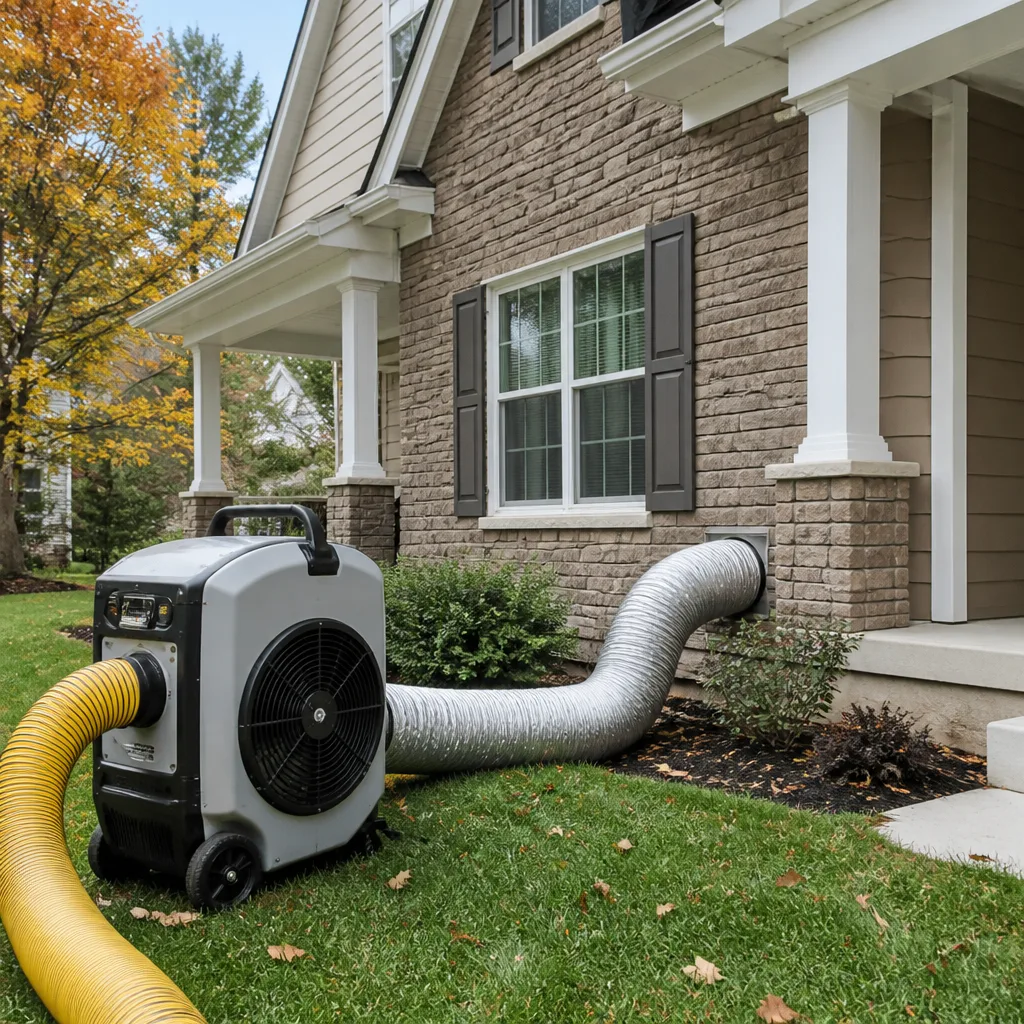 Whole-home duct cleaning
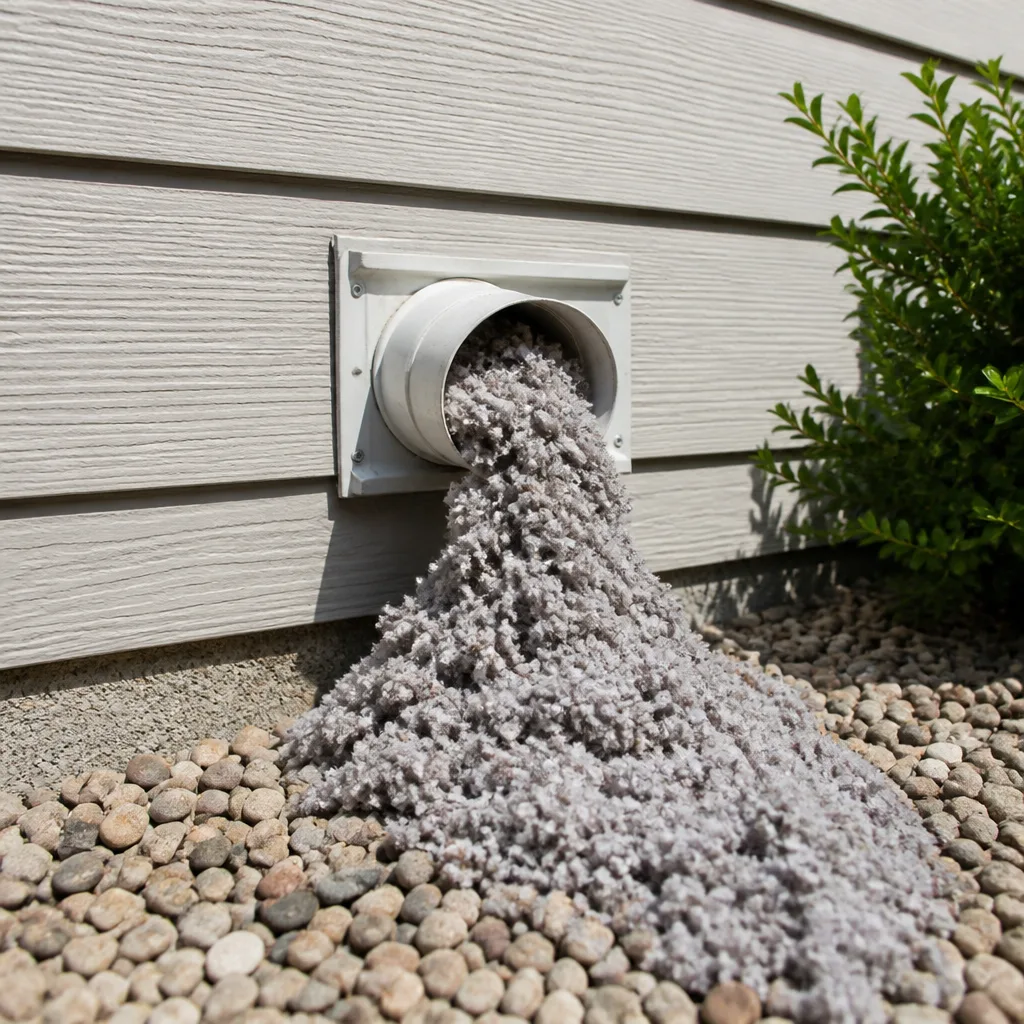 Dryer vent cleaning
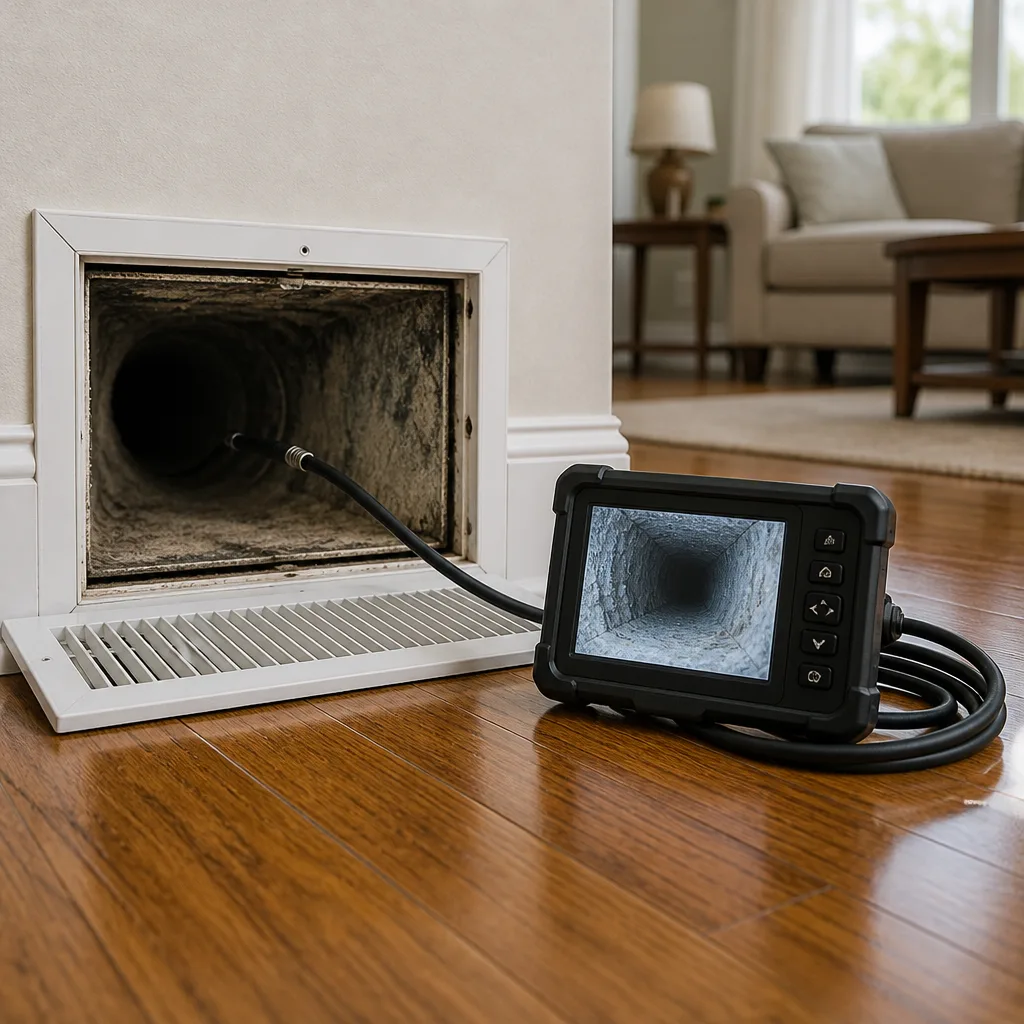 Camera inspection
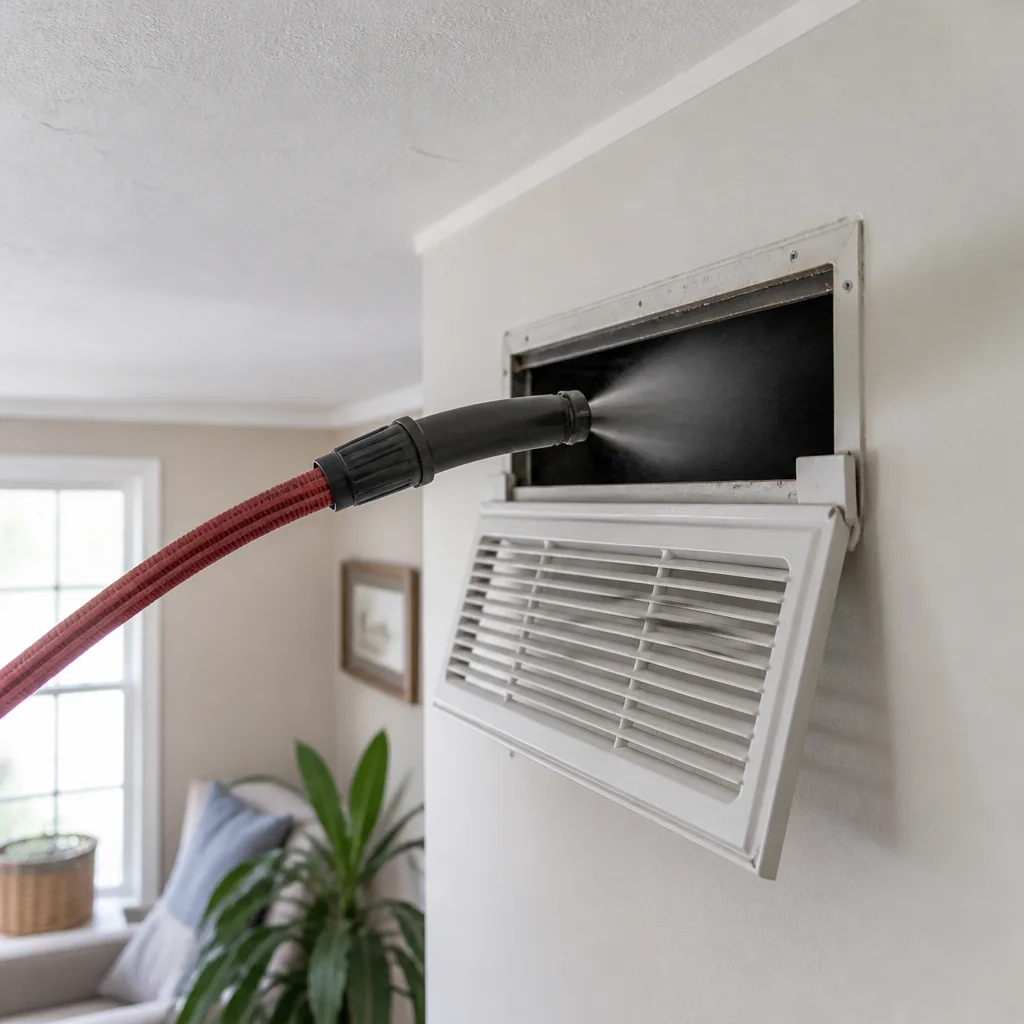 Sanitizing & deodorizing
Whole-system duct and dryer vent check with before-and-after photos - you see exactly what came out of your vents
That "$99 whole-house special" is a bait ad - the real number appears once they are in your hallway, or the "clean" is a shop-vac at the register. We photograph the inside of your ducts before and after instead.
Air Duct Cleaning Warning Signs: A Jacksonville Homeowner’s Reference Guide
Here’s a counterintuitive truth we’ve learned after two decades of crawling through Jacksonville ductwork: most homeowners who call us about dirty ducts don’t actually have a dust problem in their air handler. They have a dust problem in their returns, or a heat problem in their attic, or a pressure problem nobody measured. The visible clues are real, but they rarely mean what the average “top 10 warning signs” list says they mean. This guide treats each warning sign as diagnostic evidence, not a sales trigger. By the time you finish, you’ll know which signs warrant a call, which ones point to a different fix entirely, and how to describe what you’re seeing so you get a straight answer instead of an upsell. Jacksonville’s humidity, pollen load, and aging housing stock create a specific set of duct conditions you won’t find in drier markets, and we address those directly.
Quick Answer
The warning signs that genuinely indicate your Jacksonville home’s air ducts need professional attention are: visible dust actively discharging from supply registers, musty odor that intensifies when the system runs, unexplained respiratory symptoms that follow your AC schedule, post-renovation debris visible at registers, and rooms that stay noticeably warmer or cooler than the rest of the house. If you see one or more of these, a professional inspection is warranted. If you only see dust settling on furniture in a lived-in home, that’s usually normal occupancy dust, not duct failure.
Styles & brands we work with
Table of Contents
- 1. Visible Dust at Registers: Settling vs. Active Discharge
- 2. Musty or Stale Odors: Duct Origin vs. HVAC Component Origin
- 3. Uneven Room Temperatures in Jacksonville Homes
- 4. Allergy and Respiratory Symptom Timing: The HVAC Journal Method
- 5. Post-Renovation Debris in Ducts: Why Waiting Is a Mistake
- 6. Insulation Blowback and Fiberglass in Your Air
- 7. Pest Evidence in Ductwork: What Jacksonville Homeowners Should Know
- 8. Visible Mold or Microbial Growth Near Registers
- Common Mistakes to Avoid
- When to Call a Professional
- Frequently Asked Questions
- The Bottom Line
1. Visible Dust at Registers: Settling vs. Active Discharge
Dust on your registers after a recent cleaning isn’t a sign you need another cleaning. It’s often a sign the previous one was done wrong, and knowing the difference saves you from paying for the same job twice. The diagnostic question is simple: is the dust actively being pushed out when the system runs, or is it settling passively from room air?
Here’s how to tell the difference. Active discharge means you can hold a white tissue or paper towel near a supply register while the AC runs and see it flutter or collect visible particles within a minute. That’s debris moving through the duct under air pressure. Passive settling means dust accumulates on the register grille when the system is off, at roughly the same rate it accumulates on nearby furniture. That’s normal room dust landing on a surface.
What active discharge signals: the interior of your ductwork has a debris load that the airstream is picking up and carrying into your living space. In Jacksonville homes, this is often compounded by high indoor humidity during summer months, which makes dust particles heavier and more likely to cling to duct walls until air velocity changes. If you see gray or tan dust blowing from a register within the first few minutes of system startup, that’s debris that settled in the duct during the off-cycle and is now being re-entrained.
What passive settling signals: nothing urgent. Every home with an HVAC system has some register dust. The question is volume and rate. One Jacksonville home in Mandarin might show register dust within two weeks of cleaning, while a home in Riverside might go two months. Variables include filter quality, whether windows are open, pet load, and how often the system cycles.
If you’ve had professional duct cleaning and active discharge returns within weeks, the likely cause is one of three things: the cleaning was incomplete, the negative-pressure extraction didn’t actually create sufficient airflow to pull debris from the full duct run, or there’s a source of ongoing contamination upstream, like a torn return duct pulling attic air. We’ve seen this in neighborhoods across Jacksonville, from Murray Hill bungalows to new construction in Nocatee. The fix is identifying the source, not repeating the same cleaning.
2. Musty or Stale Odors: Duct Origin vs. HVAC Component Origin
A musty smell when your AC runs is the warning sign most likely to be misdiagnosed in Jacksonville, and the misdiagnosis costs homeowners real money. Here’s the core distinction: an odor that comes from inside the ductwork smells consistently at every register in the house. An odor that comes from an HVAC component, like the evaporator coil or drain pan, often smells strongest at the return intake or at the air handler location itself.
Jacksonville’s climate makes this distinction especially important. Our summer dew points routinely sit in the mid-70s, which means condensation forms on cold surfaces for six months straight. That condensation is supposed to drain. When the drain line clogs or the pan fills with standing water, you get a microbial odor that smells earthy, damp, or like old socks. That’s not a duct cleaning problem. That’s a drain line and coil cleaning problem. If you pay for duct cleaning before someone clears the drain, the odor returns within days, because the source was never in the ducts.
Duct-origin odor presents differently. It tends to smell stale rather than wet, like old paper or musty attic air, and it’s present even when the system has been running for a while and the coil is dry. If you’ve lived in the home for years and the odor developed gradually after a leak, a renovation, or a period when the system sat unused, the ducts themselves are the more likely source.
Here’s a diagnostic sequence we recommend to Jacksonville homeowners:
- Turn the system fan to ON (not AUTO) for 30 minutes without cooling. If the smell appears, it’s in the airstream, not the coil condensation cycle.
- Open the air handler closet or look at the return plenum. If the smell is strongest there, suspect the coil or drain pan.
- Walk to the farthest supply register from the unit. If the smell is equally strong there, suspect the duct interior.
- Check your drain line. If water is backed up or the float switch is wet, address drainage before anything else.
This four-step check takes 40 minutes and tells you more than most free home assessments will. A thorough Air Duct Cleaning in Jacksonville addresses the ducts. It does not, and cannot, fix a clogged drain line or a saturated coil. Knowing which one you need prevents paying for the wrong service.
3. Uneven Room Temperatures in Jacksonville Homes
When one Jacksonville bedroom stays at 78 degrees while the rest of the house holds 73, three possible causes exist. Duct cleanliness is only one of them, and in our experience it’s not the most common. The three are: duct integrity, duct cleanliness, and HVAC sizing.
Duct integrity means the physical structure of the ductwork. In Jacksonville’s older housing stock, from San Marco’s 1920s bungalows to Arlington’s 1960s ranches, ducts have had decades to develop gaps, separations, and tears. A disconnected boot or a gap at a joint lets conditioned air escape into the attic instead of reaching the room. The telltale sign: the room is consistently warmer in summer and cooler in winter, regardless of how long the system runs. Dampers, if present, can also shift. When we inspect an uneven-room complaint, we often find the damper blade has rotated or the flex duct has sagged. This is an Air Duct Repair in Jacksonville matter, not a cleaning matter.
Duct cleanliness causes uneven temperatures only when debris accumulation is severe enough to restrict airflow. A mostly blocked 6-inch supply run can reduce airflow to one room by 30 to 50 percent. The room never fully reaches the thermostat setting because the thermostat, located elsewhere in the house, is satisfied before that room gets enough air. The telltale sign: the room improves when you close other registers slightly, or the room’s register feels noticeably weaker than others. If you hold a tissue to the register in the problem room and then to one in a comfortable room, a significant difference in flutter strength points to blockage or leakage.
HVAC sizing is the third cause, and it’s endemic in Florida. A system sized for the whole house can still struggle with a west-facing upstairs bedroom in a two-story Mandarin home. The load calculation didn’t account for that room’s afternoon solar gain, low attic insulation, or long duct run from the air handler. Cleaning the ducts won’t change the fact that the room needs more CFM than the system was designed to deliver there. The fix is often a duct re-balance, a booster fan, or a portable unit for that room, not a cleaning.
Here’s the sequence we walk Jacksonville homeowners through before recommending any paid service:
- Check the register airflow in the problem room against a comfortable room using the tissue test.
- Inspect visible ductwork in the attic for sagging flex runs, disconnected boots, or visible gaps.
- Verify the damper positions if your system has zone dampers or manual volume dampers at the register boots.
- Measure the temperature at the register in the problem room versus the return. A split under 15 degrees with the system running indicates a delivery problem, not a cooling problem.
4. Allergy and Respiratory Symptom Timing: The HVAC Journal Method
Every spring, Jacksonville’s oak pollen blankets the city in a fine yellow-green film, and symptoms spike. The question for homeowners is whether the HVAC system is helping or hurting. A simple journal method, kept for two weeks, usually answers it.
Here’s the method. On a notepad or phone note, record four data points each day: the time you woke up, the time your AC first cycled on, when symptoms were worst, and whether the system was running at that moment. Also note whether windows were open. Do this for 14 consecutive days, including at least one weekend when you’re home most of the day.
Reading the results is straightforward. If symptoms are worst in the morning before the system has run much, the trigger is likely bedroom-level allergen accumulation, dust mites, or overnight sinus drainage, not the HVAC. If symptoms spike 20 to 40 minutes after the system starts each cycle and settle when it stops, the airstream is carrying an irritant from the ducts or the coil area. If symptoms are constant regardless of system operation, the trigger is ambient, likely outside pollen entering through doors and windows or tracked in on clothing.
Jacksonville-specific note: our pollen seasons run long, from late February’s oak through May’s grass pollen and into fall ragweed. During peak pollen weeks, even a well-maintained duct system will move some pollen that entered the house through open doors. The question is whether the concentration is abnormal. If your HVAC filter is a basic 1-inch fiberglass panel with a MERV rating under 8, it’s capturing less than half of airborne pollen. Upgrading to a MERV 11 or 13 filter, if your system can handle the pressure drop, often does more for spring allergy symptoms than duct cleaning. We work with air-quality products from Honeywell and Aprilaire and can discuss filter and media cabinet options as part of any inspection.
If the journal points to the airstream as the trigger, the most common culprits in Jacksonville homes are: accumulated dust and dander in the return duct from years of low-efficiency filtration, mold growth in a duct section that got wet from a past leak or condensation issue, or a dryer vent that is discharging into the attic or crawlspace and being pulled into the return. None of these resolves on its own, and all three respond to targeted professional attention.
5. Post-Renovation Debris in Ducts: Why Waiting Is a Mistake
If you’ve just had drywall work, flooring installation, or attic work done in your Jacksonville home, your ducts now contain construction particulate. That’s not a maybe. Drywall sanding produces particles fine enough to stay airborne for hours and small enough to pass through a standard filter. Flooring demolition kicks up embedded dust. Attic insulation work introduces fiberglass fibers that find their way into return leaks. The question isn’t whether debris entered the ducts. It’s what you do about it.
Our recommendation is direct: a professional duct cleaning after renovation is not an upsell. It’s a remediation step, and delaying it means weeks of that particulate circulating through your home every time the AC cycles. In Jacksonville, where the AC runs hundreds of hours per summer, that’s a lot of circulation.
Here’s what different construction materials do inside a duct system:
- Drywall dust: Extremely fine, alkaline, and abrasive. It coats duct interiors, clings to wet spots, and passes through most filters. It also shortens blower motor life when large quantities are pulled through the air handler.
- Insulation fibers: Fiberglass and cellulose fibers are respiratory irritants. In ductwork, they indicate a return-side leak that also needs sealing, not just cleaning.
- Wood and tile dust: Heavier particles settle in the duct’s low points and corners. They typically stay there until a pressure change dislodges them, at which point they blast out of registers in visible puffs.
- Paint overspray particles: Can coat the blower wheel and reduce efficiency. Usually requires air handler cleaning in addition to duct cleaning.
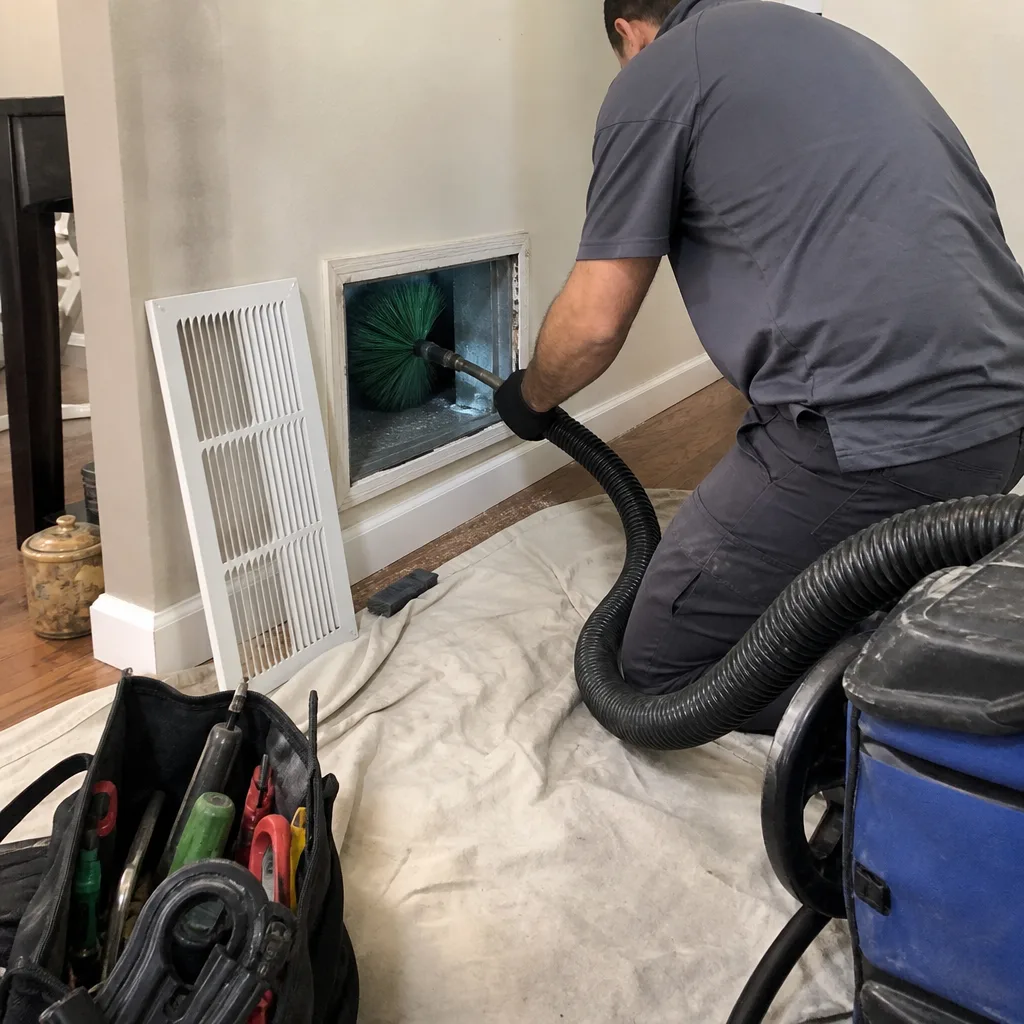
The practical sequence we recommend to Jacksonville homeowners after any renovation: run the system on fan-only for a day with windows open, replace the filter, then schedule a professional cleaning that includes negative-pressure extraction of the full duct system and cleaning of the return plenum and blower cabinet. At Linden Air Duct Jacksonville, every cleaning includes a written price before work begins, so you know exactly what the remediation costs before any equipment is set up. We operate professional-grade Rotobrush and Nikro equipment, which matters most in post-renovation jobs where the debris load is heavier than routine dust.
For homeowners in Jacksonville’s newer developments, from Bartram Park to Durbin Crossing, a post-renovation cleaning is especially wise if the HVAC ran during construction. Builders often leave the system off, but if you renovated while living in the home, the system was almost certainly running and pulling construction dust through the returns.
6. Insulation Blowback and Fiberglass in Your Air
Finding small pink, yellow, or white fibers on your furniture or floating in sunbeams near a register is a specific warning sign with a specific meaning: your return side has a leak and it’s pulling attic air, including insulation fibers, into the conditioned space. This is a Jacksonville problem more than a cold-climate problem because our attics are hot year-round and the air handler and return trunk often run through unconditioned attic space.
The mechanism is simple. The blower motor creates negative pressure on the return side of the system. If there’s a gap, crack, or loose connection anywhere in the return duct, that negative pressure pulls in whatever’s around it. In a Florida attic, that’s fiberglass insulation, blown cellulose, dust, and heat. The fibers get carried through the air handler, past the filter if the leak is after the filter, and out your supply registers.
You can confirm a return leak with a basic inspection. Go into the attic on a hot day and look at the return duct, which is typically the large flexible duct or insulated box connecting to the air handler. Look for visible gaps at joints, disconnected sections, or duct tape that’s peeling away. Hold your hand near suspect joints while the system runs. If you feel air being sucked in, that’s your leak. Some leaks are silent and small enough that only a smoke test or pressure test finds them, but many are visible to a careful observer.
The repair involves sealing the leak, not just cleaning. At Linden Air Duct Jacksonville, we address this as part of Air Duct Repair in Jacksonville work. The sequence is normally: locate and seal the leak, clean the affected duct section to remove any insulation fibers already pulled in, replace the filter, and verify airflow. We include a written guarantee on every repair, and if a covered repair doesn’t hold, we come back at no charge.
If you’re seeing insulation fibers, don’t ignore it. Fiberglass is an irritant, and nobody in your household should be breathing it because of a fixable gap. This is also one of the few warning signs where a cleaning alone, without sealing, will not solve the problem.
7. Pest Evidence in Ductwork: What Jacksonville Homeowners Should Know
Jacksonville’s warm, humid environment makes our ductwork attractive to a specific set of pests. Rodents, palmetto bugs, and even snakes have been found in duct systems across the city, from older homes in Springfield to newer construction in St. Johns County. The warning signs are distinctive, and they require a different response than a simple cleaning.
Rodents leave specific evidence: droppings visible at registers, scratching or scurrying sounds in the ducts when the system is off, and a strong ammonia odor that’s most noticeable when the HVAC first starts. Rodent activity in ducts is not just a cleanliness issue. It’s a sanitation issue, and the droppings and urine present a genuine health concern that requires professional remediation.
Palmetto bugs and other large insects enter through gaps at register boots, through the return plenum, or through disconnected duct sections. The evidence is usually shell casings, droppings, or the insects themselves visible at registers. If you consistently find dead palmetto bugs inside a particular register, there’s a gap in the duct run serving that register.
The correct sequence when pest evidence is present is different from a routine cleaning. First, identify and seal the entry point. This means inspecting the full duct run, which is where a professional inspection earns its cost. Then remove contaminated insulation if droppings or urine have saturated it. Then clean and sanitize the duct interior. Cleaning before sealing only invites the pests back. Our technicians at Linden Air Duct Jacksonville are trained to identify pest-related duct damage and recommend the right sequence, including when a pest control professional should be involved before we begin.
If the odor is mild and the activity appears historical rather than active, a cleaning with antimicrobial treatment may be sufficient. If the activity is ongoing, the pest problem must be resolved first. We’re direct about this because paying for a cleaning that gets recontaminated in a week serves no one.
8. Visible Mold or Microbial Growth Near Registers
Visible mold growth on or around a supply register is the warning sign that most reliably indicates a moisture problem inside the duct system or the air handler. In Jacksonville’s climate, this is a known issue, and it develops through specific pathways.
The most common pathway is condensation. When conditioned air meets warm, humid room air at the register, condensation forms on the metal register face. Over time, dust that collects on that damp surface provides a food source for mold. This surface-level growth is usually cleanable and doesn’t necessarily mean the entire duct is contaminated. A deeper issue exists when you open the register and see growth inside the duct boot or duct lining. That points to condensation inside the duct, which happens when ducts run through unconditioned attic space without adequate insulation, or when the air handler itself is sweating.
Jacksonville-specific factor: our crawlspaces, common in Riverside, Avondale, and San Marco’s pier-and-beam homes, hold high humidity almost year-round. Ducts running through humid crawlspaces can develop condensation on the exterior, and if the duct material has any breach, moisture and mold growth occur inside. The fix for crawlspace duct issues often involves insulation and vapor barrier work in addition to duct remediation.
If you see mold, don’t scrape it off with household cleaners and call it done. Disturbing mold releases spores into the airstream. The correct approach is a professional assessment to determine whether the moisture source is ongoing, followed by cleaning of the affected area with appropriate antimicrobial treatment, and then correction of the moisture issue. A cleaning that removes mold without fixing the moisture source will see the mold return. We’re honest about this when a Jacksonville homeowner calls us with a visible mold problem: the cleaning part is straightforward, but the moisture correction is what determines whether the problem stays fixed.
Common Mistakes to Avoid
- Assuming every dust complaint means the ducts need cleaning. Most visible dust in a Jacksonville home is occupancy dust coming in through doors, windows, and on clothing. Check the tissue test from Section 1 before spending money on a cleaning.
- Paying for duct cleaning to fix an odor that’s actually coming from the evaporator coil or drain pan. The source of the smell must be identified first, or the cleaning won’t help.
- Replacing filters obsessively to compensate for a return leak. If you’re going through pleated filters every two weeks, you’re not filtering out normal dust, you’re filtering air that’s being pulled in through a gap in the return. The filter is masking the real problem.
- Getting duct cleaning done without getting the price in writing first. This is the moment when modest quotes become large invoices in the duct cleaning industry. At Linden Air Duct Jacksonville, the price is in writing before any work begins, every single time, and it doesn’t change at the end.
- Assuming post-renovation dust will “work itself out” through normal operation. It won’t. The dust settles in the ducts, then releases gradually over months. Have the ducts cleaned before the debris becomes embedded.
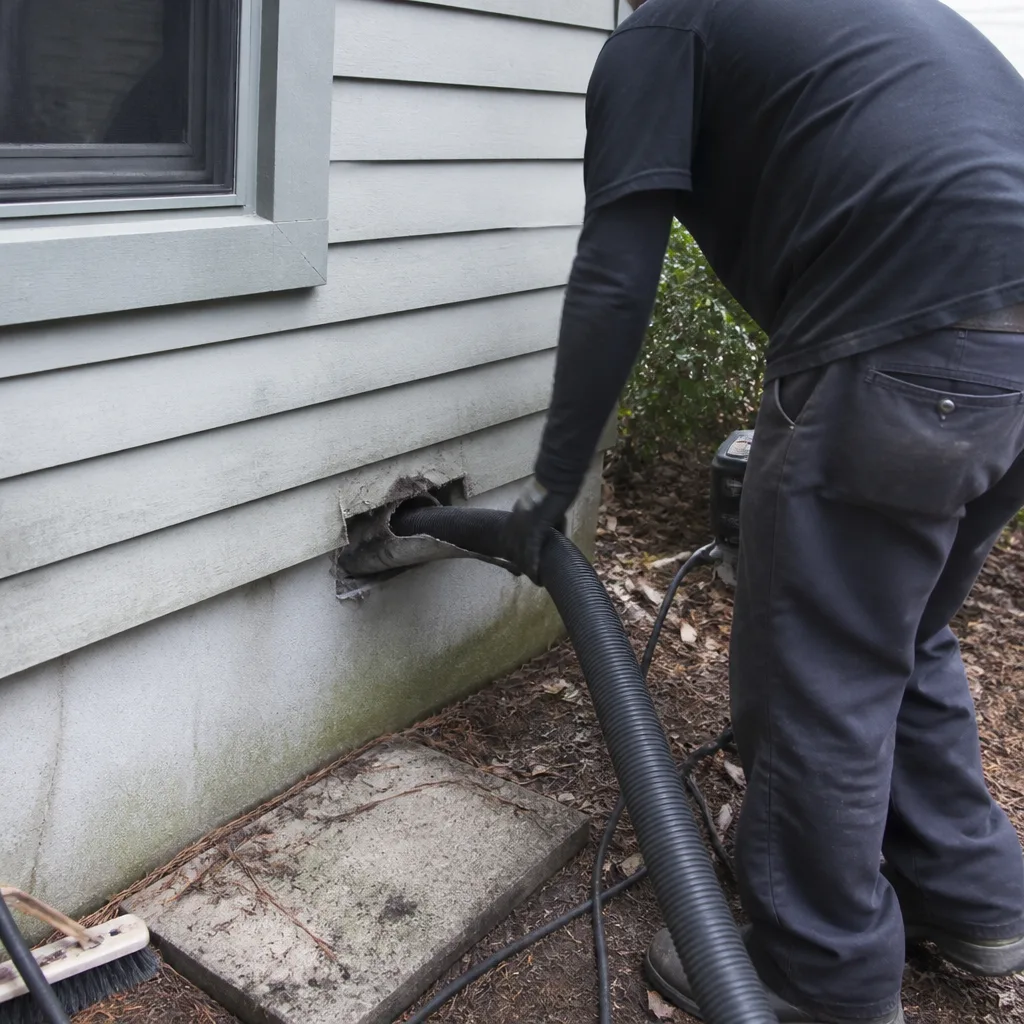
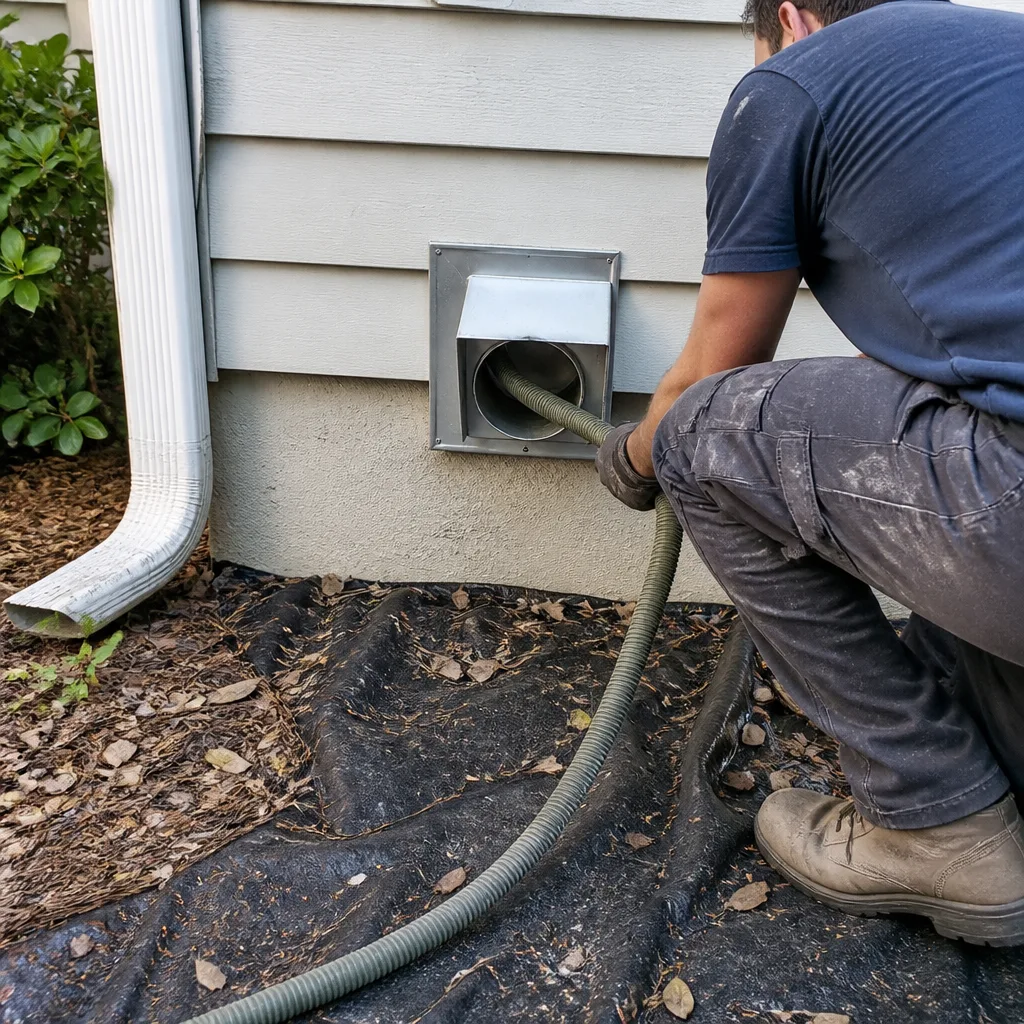
- Using a dryer vent cleaning service for your HVAC ducts, or vice versa. These are different services with different equipment and different training. A Dryer Vent Cleaning in Jacksonville addresses lint in the dryer exhaust, which is a fire-safety matter. HVAC duct cleaning addresses the air distribution system. Don’t accept one as a substitute for the other.
- Ignoring register dust because “the house is just dusty.” There’s a difference between normal settling and active discharge. If active discharge persists after cleaning, the source is unfixed and you’re paying for symptoms, not causes.
When to Call a Professional
Call a professional when you have evidence you can describe: active dust discharging from registers when the system runs, a musty odor that persists after drain line maintenance, insulation fibers visible in the airstream, pest evidence at registers, visible mold near or inside a register, or a room that stays noticeably warmer than the rest of the house despite normal airflow. These are not ambiguous situations. They are specific signs with specific causes, and a trained eye can tell you whether the fix is cleaning, repair, or a different service entirely. Linden Air Duct Jacksonville offers free estimates throughout Jacksonville, and every inspection starts with the warning signs you’ve observed, not a predetermined service recommendation. Call (904) 329-7854 and describe what you’re seeing. We’ll tell you what it likely means and whether a visit is warranted.
Frequently Asked Questions
In Jacksonville, professional air duct cleaning typically costs between $350 and $700 for a standard single-system home, depending on the number of vents, system size, and accessibility. Larger homes with multiple systems or heavy debris loads, like post-renovation dust, run higher. At Linden Air Duct Jacksonville, you receive a written price before any work begins, so the number you agree to is the number you pay. Call (904) 329-7854 for an exact quote, and ask about the whole-system price, not a per-vent teaser rate.
The low quotes you see in Jacksonville mailers are typically teaser prices for a partial cleaning. The actual invoice grows once the technician arrives and adds per-vent charges, sanitizer fees, or “discovered” mold treatments. A legitimate whole-system cleaning takes hours with professional negative-pressure equipment, and the price reflects real labor and equipment costs. Our price is one flat rate per system, in writing, before we start. That’s the difference.
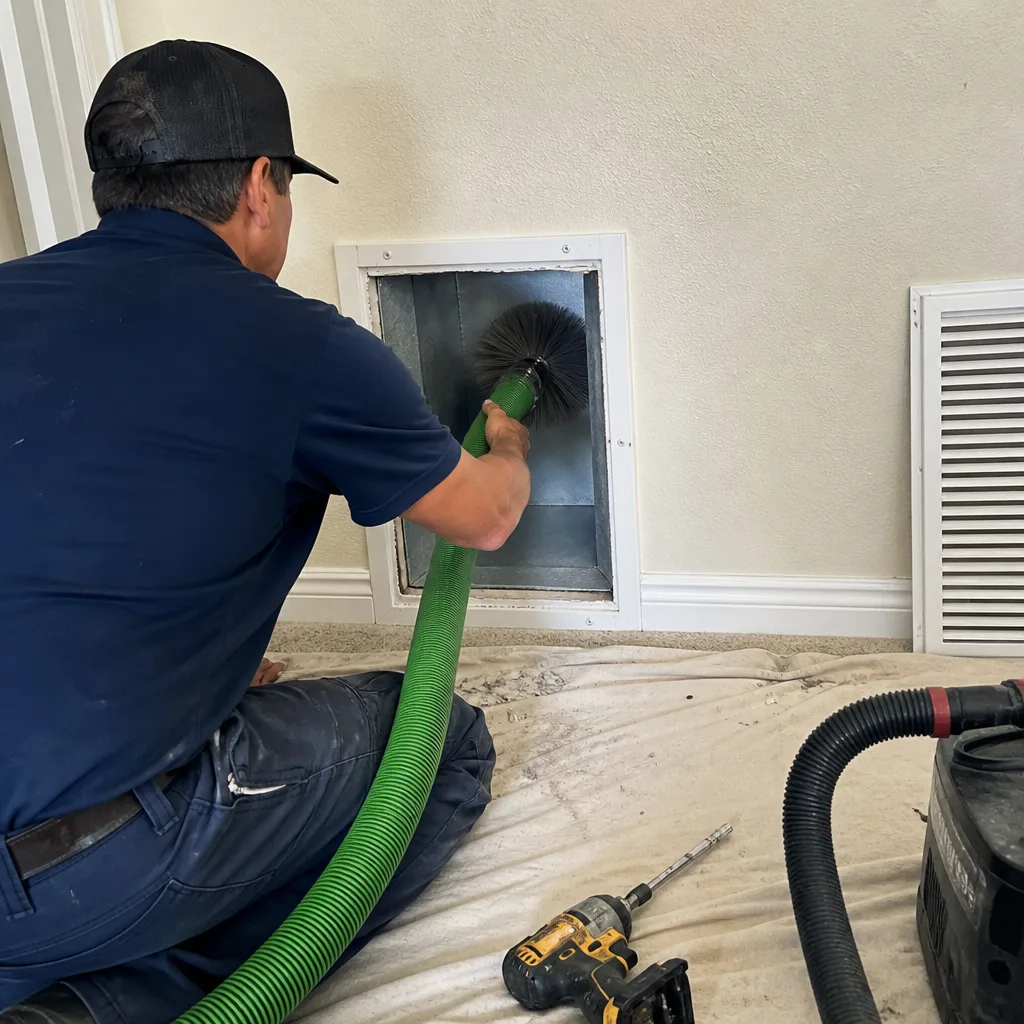
Ask for before-and-after photos of your duct interiors. A professional cleaning with Rotobrush or Nikro equipment includes camera inspection capability, and the photos show the difference. At Linden Air Duct Jacksonville, we document the work and stand behind it with our 365-Day Done Right Promise. If the work isn’t right, we make it right, in writing, on every job. If a company won’t show you what they did, that tells you something.
For most Jacksonville homes, every 3 to 5 years is appropriate, moved earlier by specific events: post-renovation debris, pest activity, a water leak that affected the ducts, or visible mold. Homes with heavy pet dander, smokers, or residents with respiratory conditions may benefit from more frequent cleaning. The honest answer is that your home’s conditions determine the interval. If you’re not seeing any of the warning signs in this guide, you probably don’t need a cleaning right now, and we’ll tell you that.
It can, if the ducts are the source of the problem. Jacksonville’s oak pollen season, running from late February through April, puts enormous particulate load on your HVAC filter. If your ducts have accumulated debris over years, cleaning removes that reservoir. But if the allergy trigger is ambient pollen entering through open doors, the better investment is a higher-MERV filter in a proper media cabinet. We’ll help you determine which applies before recommending a service.
You should expect to know who is coming before they arrive. Air duct cleaning in Jacksonville involves letting a stranger into your home, and you deserve verification. Every Linden Air Duct Jacksonville technician is background-checked and identity-verified to the Threshold Standard. You receive the tech’s name and photo before the visit, and they show a photo ID badge at your door. They arrive in a clean, marked uniform. If a company can’t tell you who’s coming to your house, that’s a warning sign about the company, not your ducts.
The Bottom Line
Warning signs are useful only when they lead to the right diagnosis. Dust at registers might mean dirty ducts, or it might mean normal settling. Musty odor might mean dirty ducts, or it might mean a clogged drain line. Uneven temperatures might mean restricted airflow, or it might mean a leak, or an undersized system for a west-facing Jacksonville bedroom. The confident homeowner is the one who can describe the evidence, run the simple checks in this guide, and call a company that will tell them the truth about whether cleaning is the right service. That’s how we work at Linden Air Duct Jacksonville. No bait pricing, no surprise invoices, no mystery technicians. A written price before work begins, every time.
Written by Marcus Veale, Owner at Linden Air Duct Jacksonville, serving Jacksonville since 2004.
See the difference
 Before
 After
After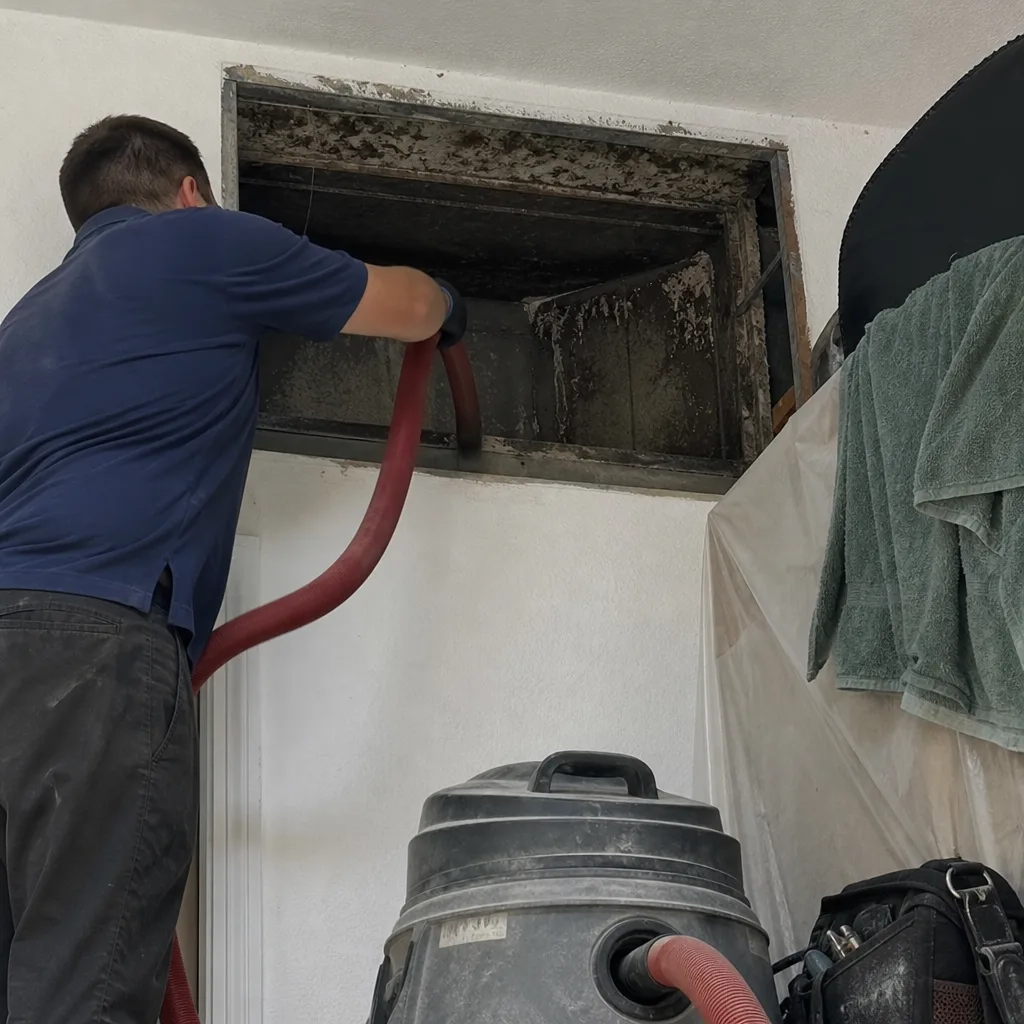 Before
 After
After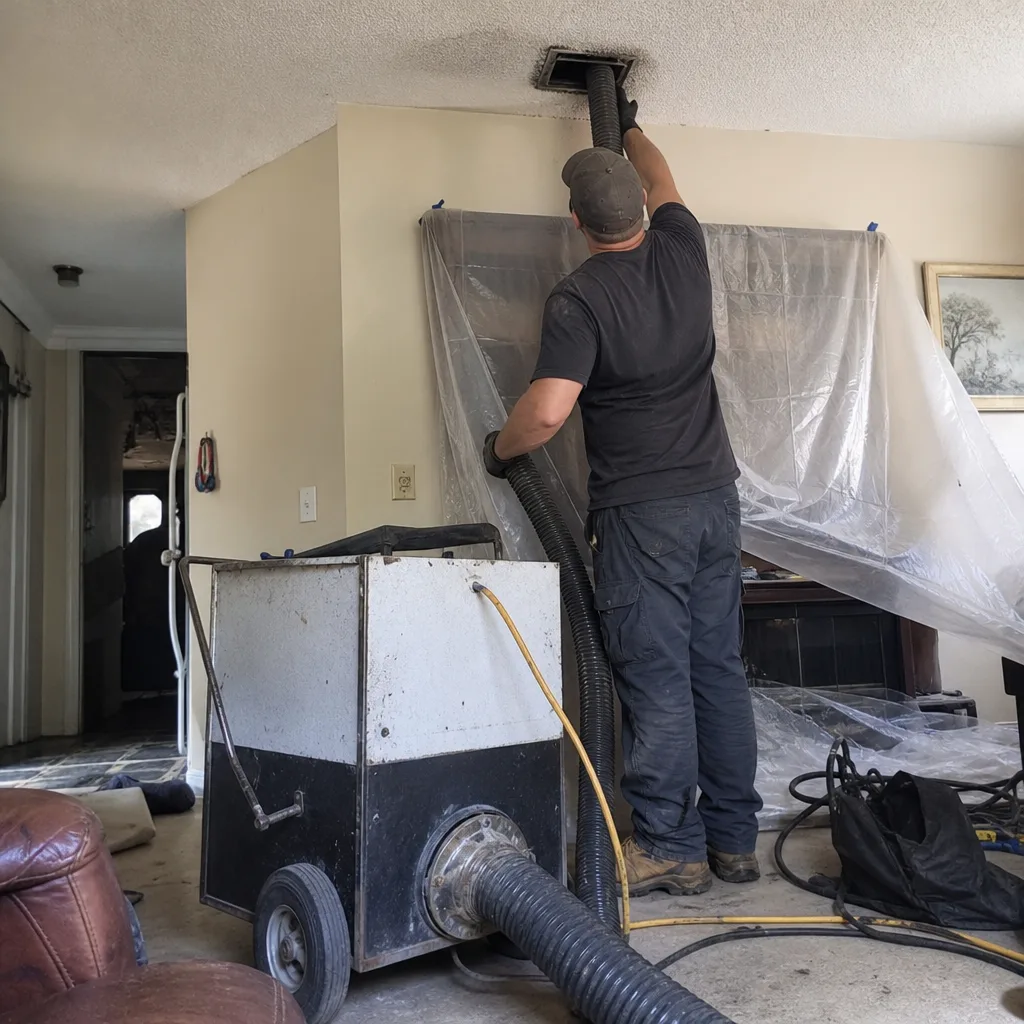 Before
 After
After