
Last updated October 15, 2026
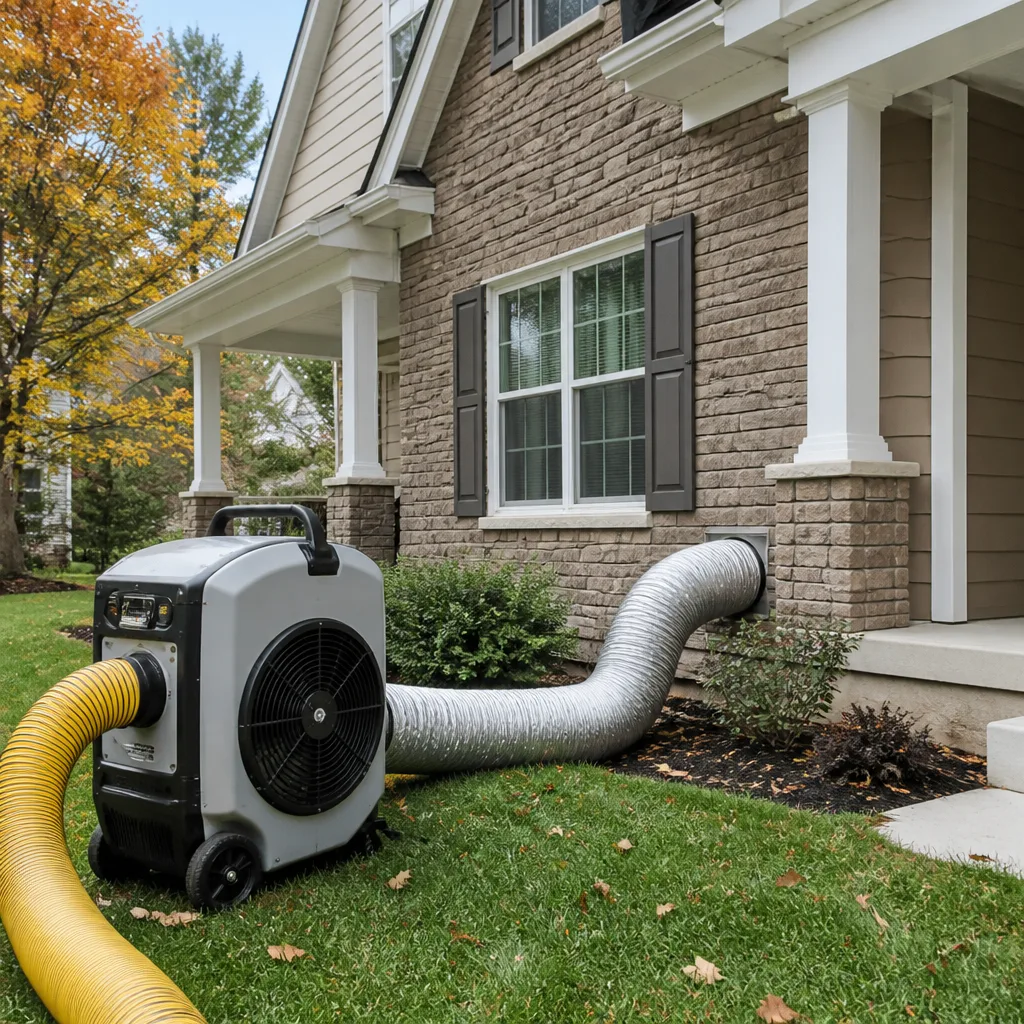 Whole-home duct cleaning
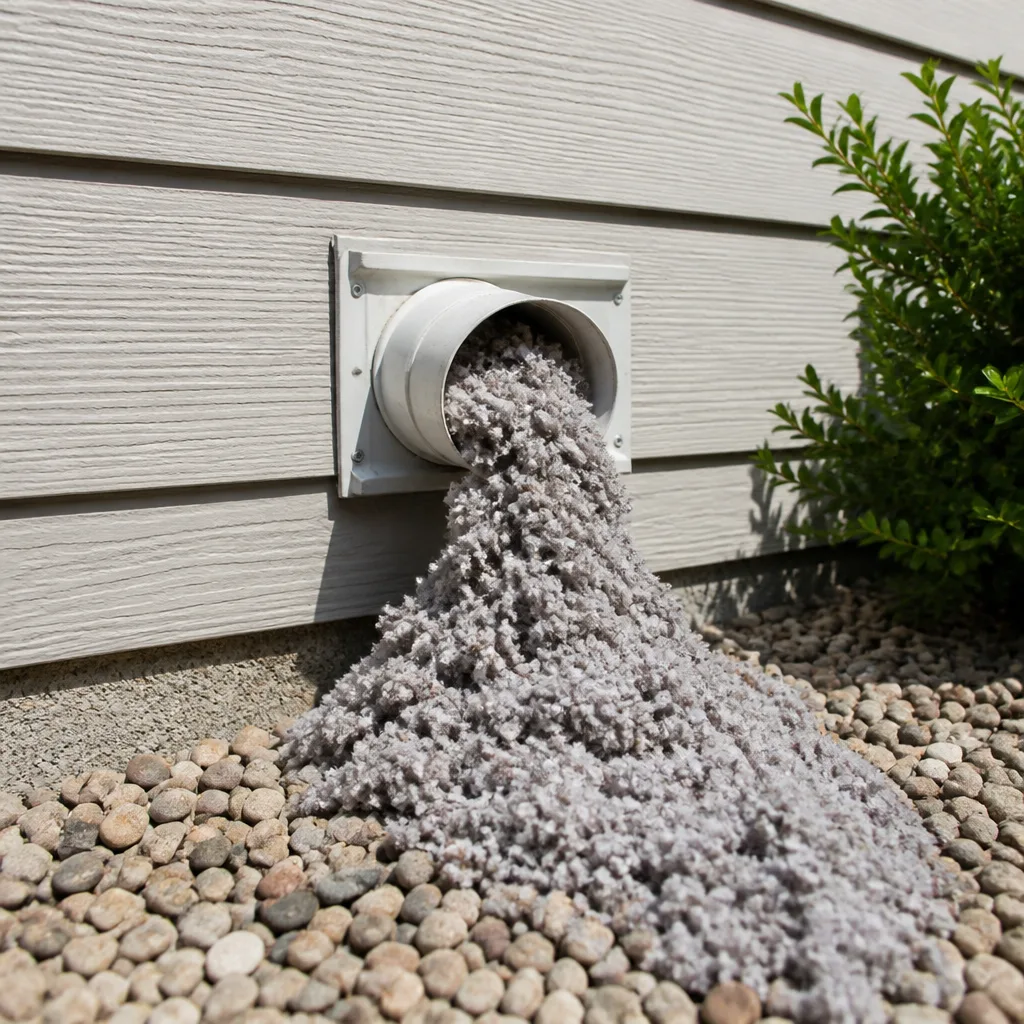 Dryer vent cleaning
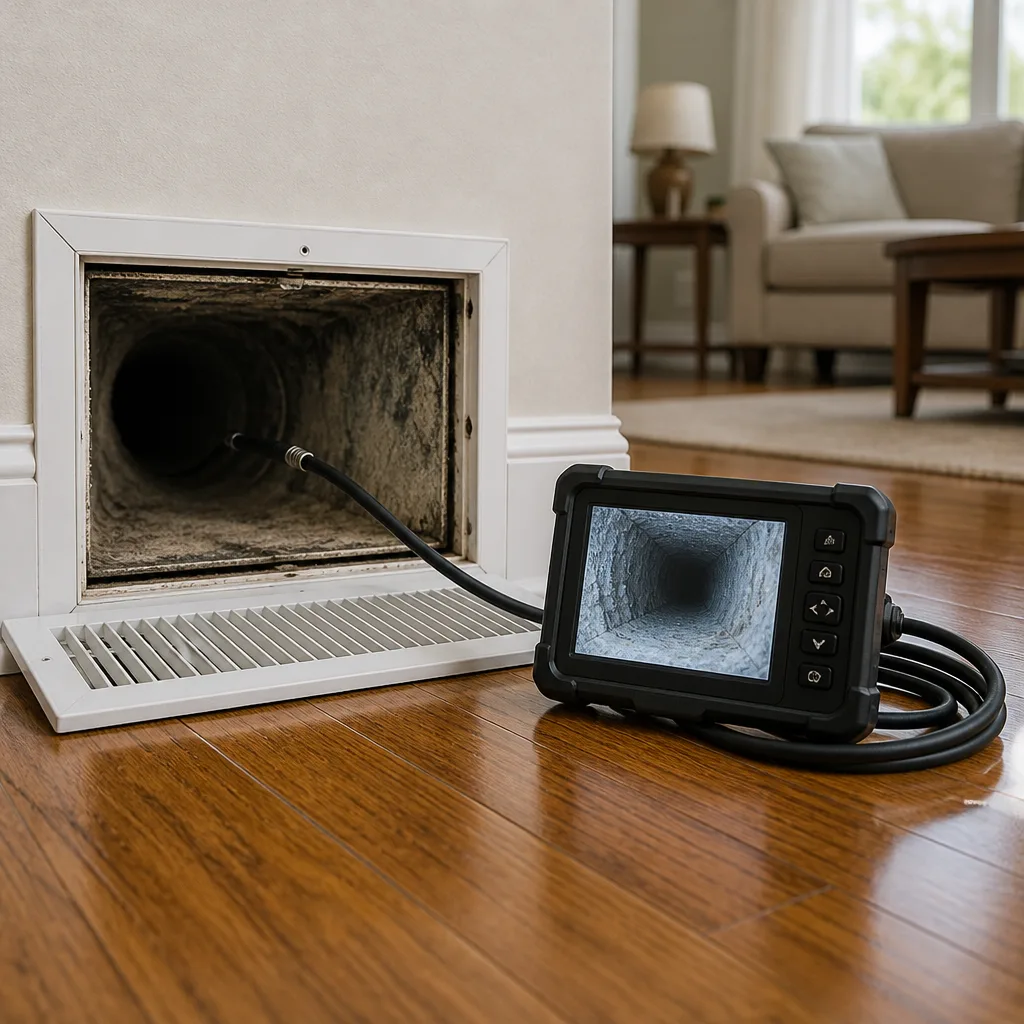 Camera inspection
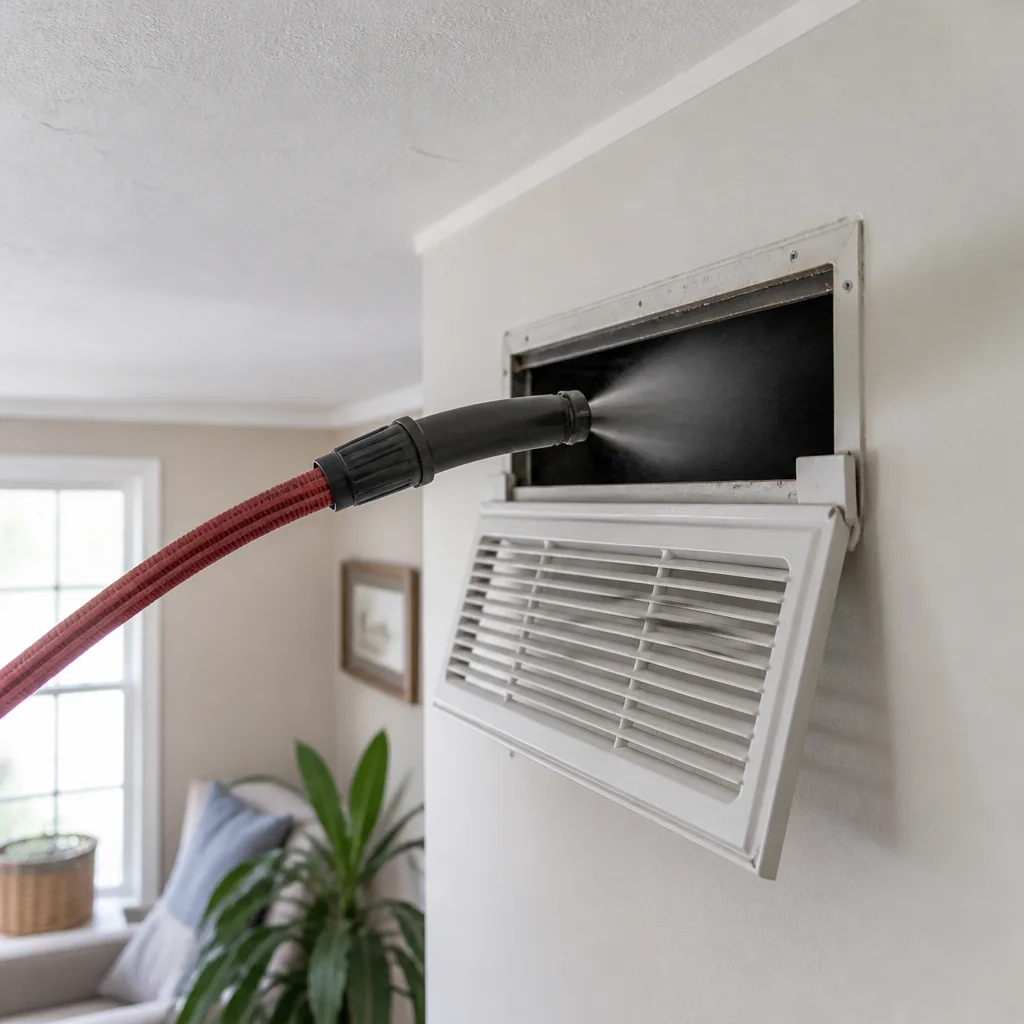 Sanitizing & deodorizing
Whole-system duct and dryer vent check with before-and-after photos - you see exactly what came out of your vents
That "$99 whole-house special" is a bait ad - the real number appears once they are in your hallway, or the "clean" is a shop-vac at the register. We photograph the inside of your ducts before and after instead.
Air Duct Cleaning Permits, Codes & Inspections in FL: What You Need to Know
Most homeowners in Jacksonville assume that if a company shows up in a branded van and hands them an invoice, the work on that invoice was legal. That assumption is wrong often enough to be expensive. The single most common violation we see in Duval County is a technician replacing a section of flex duct or applying mastic sealant during what was quoted as a “cleaning” – and that work, under Florida law, may require a licensed mechanical contractor and a Duval County mechanical permit whether or not the company mentioned it. This guide draws the line between what Florida treats as ordinary maintenance and what it treats as regulated construction, so you don’t get caught on the wrong side of it. For a deeper look at when maintenance turns into work, see our The Complete Guide to Air Duct Cleaning in Jacksonville.
Quick Answer
Air duct cleaning itself does not require a permit or a contractor’s license in Florida because it’s classified as maintenance, not construction. But the moment work crosses into duct repair, modification, sealing, or replacement, Florida Statute 489 and Duval County code can require a licensed mechanical contractor and a permit – and unpermitted duct work can create problems with insurance claims, home resale, and code compliance that surface years later.
Styles & brands we work with
Table of Contents
- Cleaning vs. Work: The Line Florida Actually Draws
- Florida Statute 489 and the Mechanical Contractor License
- Duval County Mechanical Permits: What Triggers One
- How to Check Permit History on a Jacksonville Property
- How Unpermitted Duct Work Affects Insurance and Resale
- Duct Sealing: The Gray Area That Costs Homeowners
- The Scope-of-Work Document: Your Best Protection
- Jacksonville-Specific Code Considerations
Cleaning vs. Work: The Line Florida Actually Draws
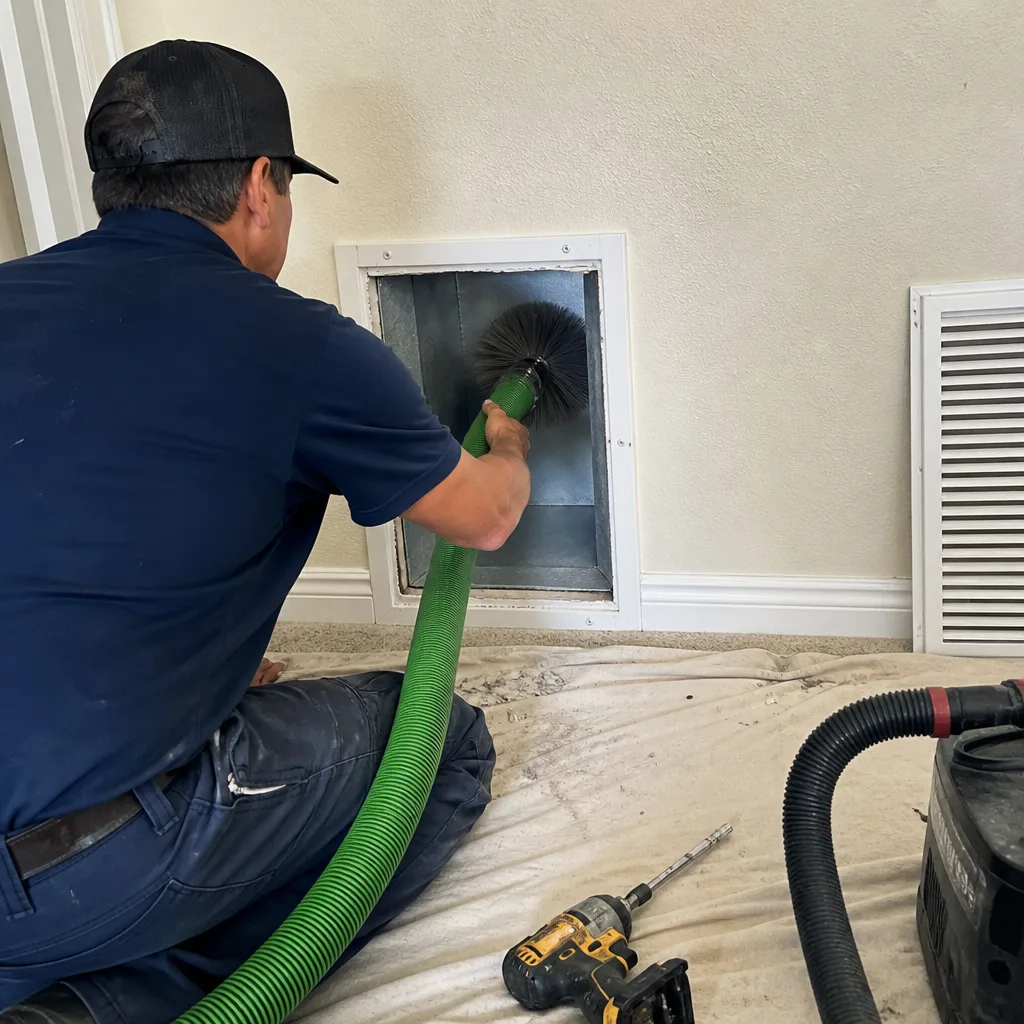
Florida treats air duct cleaning as a maintenance activity, not a construction activity. That means cleaning the interior surfaces of existing ductwork – using brushes, compressed air, or negative-pressure extraction – does not require a building permit, a mechanical contractor’s license, or an inspection. Any company can legally offer cleaning services in Jacksonville without holding an HVAC contractor’s license.
But Florida code draws a hard line at anything that alters, repairs, replaces, or reconfigures the duct system itself. Replace a section of flex duct that’s torn or crushed, and you’ve crossed from maintenance into mechanical work. Apply mastic sealant to close leaks at a plenum connection, and you’ve crossed the same line. Re-route a duct run to improve airflow, add a return, or replace a rusted ductboard section – each of these is regulated mechanical work under Florida Statute 489, and each requires the person doing it to hold the right license class.
Here’s what falls on each side of the line in Air Duct Cleaning in Jacksonville practice:
- Cleaning side (no permit, no license required): vacuum extraction of dust and debris, brushing interior duct surfaces, cleaning registers and grilles, sanitizing with EPA-registered products, and camera inspection of duct interiors.
- Work side (license and possibly permit required): replacing flex duct, installing new duct sections, applying mastic or tape sealant at joints and connections, modifying duct layout, replacing plenums, adding or relocating supply runs, and repairing or replacing dampers.
We’ve watched homeowners in Mandarin and San Marco sign off on “cleaning plus a small repair” invoices where the repair portion involved cutting out and replacing a crushed flex run. These situations are exactly why we published Air Duct Cleaning Warning Signs: A Jacksonville Homeowner’s Reference Guide. The homeowner assumed the cleaning company was authorized to do that. In several cases, the company wasn’t – and the homeowner didn’t find out until an insurance adjuster or a home inspector flagged the unpermitted work.
Florida Statute 489 and the Mechanical Contractor License
Florida Statute 489 governs contractor licensing statewide. It defines mechanical contracting as the installation, maintenance, repair, alteration, or extension of air conditioning, heating, and ventilation systems – including ductwork. To legally perform mechanical work on a duct system in Florida, the person doing the work must hold either a state-certified mechanical contractor license, a state-registered mechanical contractor license, or be working under the direct supervision of someone who does.
There’s no cleaning exemption buried in the statute that covers repairs. Cleaning is simply outside the statute’s scope. Repairs, modifications, and replacements are inside it.
The practical test we tell Jacksonville homeowners to apply is simple: is the technician changing the physical duct system, or just cleaning what’s already there? If the answer is changing it – cutting, sealing, replacing, rerouting – then the work requires a licensed mechanical contractor under Florida law. If the answer is only cleaning it, no license is required and no permit is needed.
In our experience, the companies most likely to cross this line quietly are the ones that quote a low cleaning price and then “discover” damaged ducts during the job. That discovery is real sometimes – Florida’s humidity does eat flex duct in crawl spaces and attics. But the right response from a cleaning company is to stop, show you photos, explain that repair work requires a licensed contractor, and either bring one in or refer you out. The wrong response is to grab a roll of tape and “fix it” on the spot.
Duval County Mechanical Permits: What Triggers One
Duval County, which encompasses most of Jacksonville, requires a mechanical permit for duct work that goes beyond cleaning. The threshold is not about dollar amount. It’s about scope. Replacing a section of duct, sealing duct joints, installing new runs, or modifying existing ones all fall under work that Duval County Building Inspection Division expects to see permitted when performed by a licensed contractor.
Here’s what Duval County typically requires for regulated duct work:
- Permit application filed by a licensed mechanical contractor – homeowners cannot pull their own mechanical permits for duct modification under most circumstances.
- Scope of work description that specifies what duct sections are being replaced, sealed, or added.
- Inspection after the work is done – a Duval County mechanical inspector verifies the work meets Florida Building Code and local mechanical code requirements.
- Proper materials documentation – flex duct installed in Florida attics and crawl spaces must meet specific R-value and rating requirements under the Florida Building Code’s energy provisions.
We’ve seen the permitting issue catch homeowners in two ways. The first is at resale: a home inspector or buyer’s agent asks whether recent HVAC work was permitted, and there’s no record of it. The second is during an insurance claim: water damage traced to a failed duct repair leads an adjuster to ask who did the repair and whether it was permitted. In both cases, the homeowner carries the liability, not the company that did the unpermitted work.
If you’re considering Air Duct Repair in Jacksonville that goes beyond cleaning, ask the company directly: “Are you a licensed mechanical contractor, and will you pull a Duval County permit for this work?” A straight answer is a good sign. A deflection is your signal to stop.
How to Check Permit History on a Jacksonville Property
Checking permit history in Duval County is straightforward, and it’s worth doing before you buy a home with recent HVAC work or before you hire a company that claims permitting isn’t necessary. Here’s the process:
- Visit the Duval County Building Inspection Division permit search portal. You’ll need the property address. The system allows searches by address, parcel number, or permit number.
- Look for mechanical permits matching the work done. Permits are categorized by type – mechanical, electrical, plumbing, and building. A duct replacement should appear as an open or closed mechanical permit.
- Check the status. A permit that’s been issued but not yet inspected and closed is a red flag. It means the work may have been done without final inspection.
- If no permit appears, call the Building Inspection Division directly. Ask a plans examiner or permit clerk to verify whether a permit was required for the work. They’ll ask for the scope; be specific about what was replaced or sealed.
- Document everything. If you find unpermitted work, keep records – they matter for insurance, resale, and any future code compliance issues.
For Jacksonville homeowners in older neighborhoods like Riverside, Avondale, and Springfield – where duct systems may date back decades and have been patched repeatedly – a permit history check often reveals a trail of repairs done without permits. That’s not a reason to panic, but it is a reason to factor the correction cost into any purchase decision or future renovation budget.
How Unpermitted Duct Work Affects Insurance and Resale
Florida insurance carriers have grown aggressive about unpermitted work in the years since Hurricane Irma and the property-insurance crisis that followed. Duct work is no exception. If a claim arises from a failure in a duct system – say, a flex duct bursts in an attic during August and floods a bedroom ceiling – the adjuster will often ask who installed or repaired that duct and whether the work was permitted. If the answer is “a cleaning company did it during a cleaning visit,” the claim can be denied on the basis of unpermitted modification.
Even when a claim isn’t denied outright, unpermitted duct work creates problems:
- Coverage exclusions: Some Florida policies now include language excluding damage caused by unpermitted modifications to mechanical systems.
- Diminished claim value: Adjusters may reduce payouts to account for the cost of bringing the unpermitted work into compliance.
- Real estate disclosure obligations: Florida requires sellers to disclose known defects and unpermitted work on the property disclosure form. If you know duct work was done without a permit and don’t disclose it, you’ve created liability for yourself at resale.
- Lender complications: Some mortgage underwriters flag unpermitted mechanical work during refinancing or sale, requiring permits to be retroactively obtained before closing.
The lesson here isn’t that every duct repair needs a building permit in Florida – small component replacements like a grille or a filter rack don’t. The lesson is that structural modification of the duct system – replacement, sealing, rerouting – sits squarely in the regulated category, and pretending otherwise doesn’t protect you. In Jacksonville’s buyer’s market, where inspections are thorough and buyers are represented by detail-oriented agents, unpermitted duct work surfaces more often than homeowners expect.
Duct Sealing: The Gray Area That Costs Homeowners
Duct sealing is the clearest example of the cleaning-to-work line getting blurred in Jacksonville. Companies offer duct sealing as an add-on to cleaning: after the ducts are cleaned, the technician applies mastic or aerosol sealant to close leaks. The pitch is efficiency – sealed ducts deliver more conditioned air to rooms and less to the attic. The pitch is accurate. But the licensing situation isn’t.
Under Florida Statute 489, duct sealing is mechanical work. Applying sealant to duct joints, connections, and seams is classified as repair or maintenance of the mechanical system – and it requires a mechanical contractor’s license when performed as a modification of the system. A cleaning company that doesn’t hold that license and seals your ducts anyway has performed regulated work without authorization.
Here’s what to ask before agreeing to duct sealing in Jacksonville:
- “What license class does your company hold, and is the person doing the sealing working under that license?” Florida-licensed mechanical contractors have a license number beginning with CMC (certified) or RM (registered). Ask to see it.
- “Will you provide a written scope of work that separates the cleaning from the sealing?” That separation matters for warranty, insurance, and future permit questions.
- “Does the sealing require a Duval County permit?” The honest answer is often yes when the sealing involves full-system modification, and no for minor joint sealing done as part of a repair. A licensed contractor will know which applies.
- “Who is responsible if the sealant fails?” Get the warranty in writing, with specific coverage terms and a defined response window.
We work with air-quality products from manufacturers including Aprilaire and Abatement Technologies, and part of using those products correctly is knowing which applications are cleaning-adjacent and which are mechanical work. When sealing crosses into mechanical territory, the right move is a licensed contractor, a written scope, and a permit when Duval County requires one.
The Scope-of-Work Document: Your Best Protection
The single most effective protection a Jacksonville homeowner has against the cleaning-to-work line getting crossed is a written scope-of-work document signed before any work begins. That document should state exactly what will be done, what category each item falls into, and who holds what license. Without it, you’re relying on memory and trust when disputes arise – and disputes are exactly when memory and trust fail.
Here’s how to request and use a scope-of-work document:
- Ask for it before scheduling the job. A company that hesitates to put its scope in writing is telling you something. The price should be in writing before any work begins, and so should the description of the work.
- Make sure it separates cleaning from any repair or sealing. If the company plans to replace a flex section or apply mastic, that should be a separate line item with a separate description – not buried under “cleaning.”
- Confirm license responsibility in the document. If repair work is listed, the document should state who holds the mechanical contractor’s license and who will pull the permit if one is required.
- Keep the document. File it with your home records. If an insurance adjuster or home inspector ever asks about duct work, the scope-of-work document is your evidence of what was done and who did it.
- Refuse verbal-only scope changes. If a technician discovers damage mid-job and proposes to repair it, ask for the change in writing before authorizing it. A text or emailed addendum works.
At Linden Air Duct Jacksonville home, this is a standing practice, not a special request. We put the price in writing before any work begins – every time, no exceptions – and we document the scope the same way. Whether you’re hiring us or another company, the standard should be the same.
Jacksonville-Specific Code Considerations
Jacksonville’s climate creates duct work conditions that other Florida cities don’t face in quite the same way. The combination of high humidity, salt air near the beaches and intracoastal, and attic temperatures that routinely exceed 130°F in summer means duct systems in neighborhoods from Atlantic Beach to Ortega face accelerated deterioration. Flex duct in particular degrades faster here – the outer vapor barrier cracks, the inner liner tears, and connections at plenums and boots pull loose.
That climate reality has code implications:
- R-value requirements: The Florida Building Code sets minimum insulation requirements for duct work installed in unconditioned spaces like attics. In Duval County, that typically means R-6 or R-8 flex duct depending on the system and location. Cleaning doesn’t touch this. But if a duct is replaced, the replacement must meet current code – not the code from when the home was built.
- Condensation and mold: Jacksonville’s humidity means improperly sealed or insulated ducts sweat. That moisture supports mold growth inside the duct lining. Cleaning removes surface mold, but if the underlying leak or insulation failure isn’t corrected – which is work, not cleaning – the mold returns.
- Salt-air corrosion: Homes near Jacksonville Beach, Neptune Beach, and along the St. Johns River see faster corrosion of metal duct components, dampers, and plenums. Cleaning helps remove surface corrosion debris, but replacement of corroded components is regulated mechanical work.
- Attic access and inspection practicalities: Duval County inspectors deal with the reality of tight Florida attics. They inspect what’s accessible, and they check for obvious code violations like disconnected ducts, improper sealing, and wrong R-value. If they can’t access a section, they note it – and that notation can matter later.
The practical takeaway: live near the water in Jacksonville, and your ducts will need more frequent attention. Cleaning is the maintenance side of that equation. Repair and replacement – which the climate will eventually force – is the regulated side.
Common Mistakes to Avoid
- Assuming all duct work done during a cleaning is legal. Cleaning is unregulated. Replacing a flex section, sealing joints, or rerouting ducts during that same visit crosses into licensed mechanical work under Florida Statute 489 – and the homeowner carries the liability, not the company.
- Accepting “we don’t need a permit for this” without checking. Duval County requires mechanical permits for duct replacement and modification above minor component swaps. If the company says otherwise, call the Building Inspection Division and ask before work starts.
- Skipping the written scope of work. A verbal agreement is worth nothing in an insurance claim or resale dispute. Get the scope separating cleaning from repair in writing before any work begins.
- Buying a Jacksonville home without checking mechanical permit history. Unpermitted duct work from a previous owner becomes your problem at the next sale and can complicate insurance claims. The five-minute permit check is worth it.
- Confusing sanitizing with mold remediation. Cleaning companies can apply EPA-registered sanitizers to duct surfaces. Full mold remediation inside ducts is a different scope of work with different standards – and in Florida, the company performing it should be prepared to document their methods.
- Ignoring the R-value on replacement flex duct. If a section of flex duct is replaced, Florida Building Code requires it to meet current minimum R-value for unconditioned spaces. A quick replacement with cheap uninsulated flex is both a code violation and a condensation problem waiting to happen in a Jacksonville attic.
- Choosing a cleaning company solely on price. The lowest quote in Jacksonville often comes from a company that plans to upsell you into repair work mid-job – crossing the cleaning-to-work line without a license, a permit, or your informed consent.
See the difference
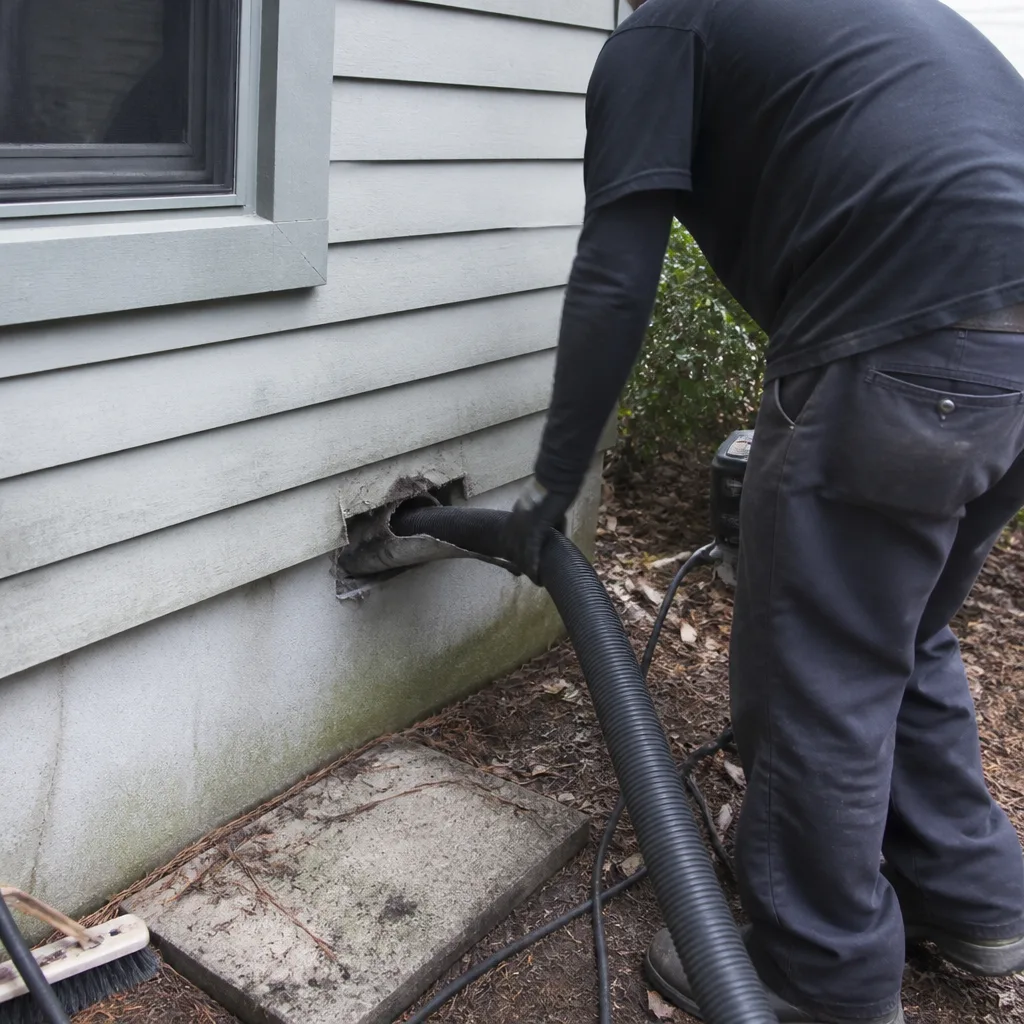 Before
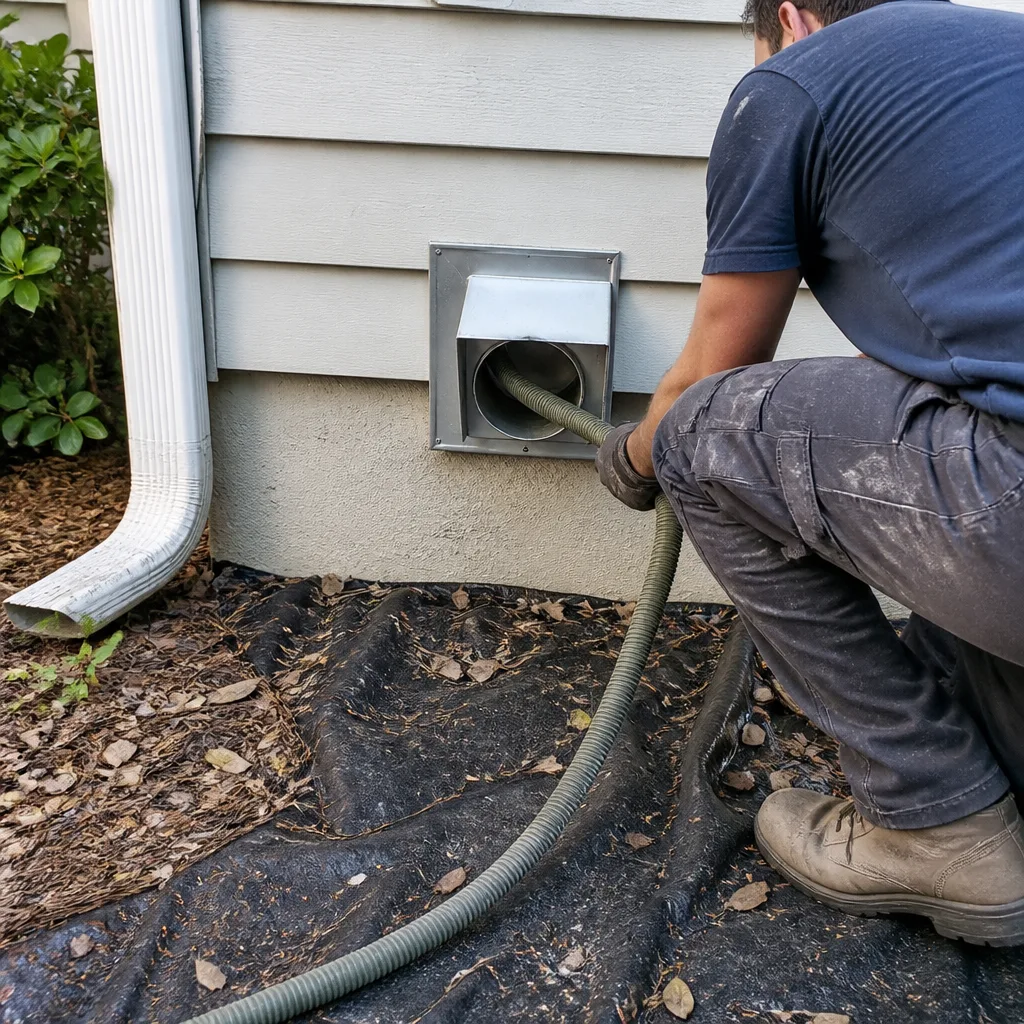 After
After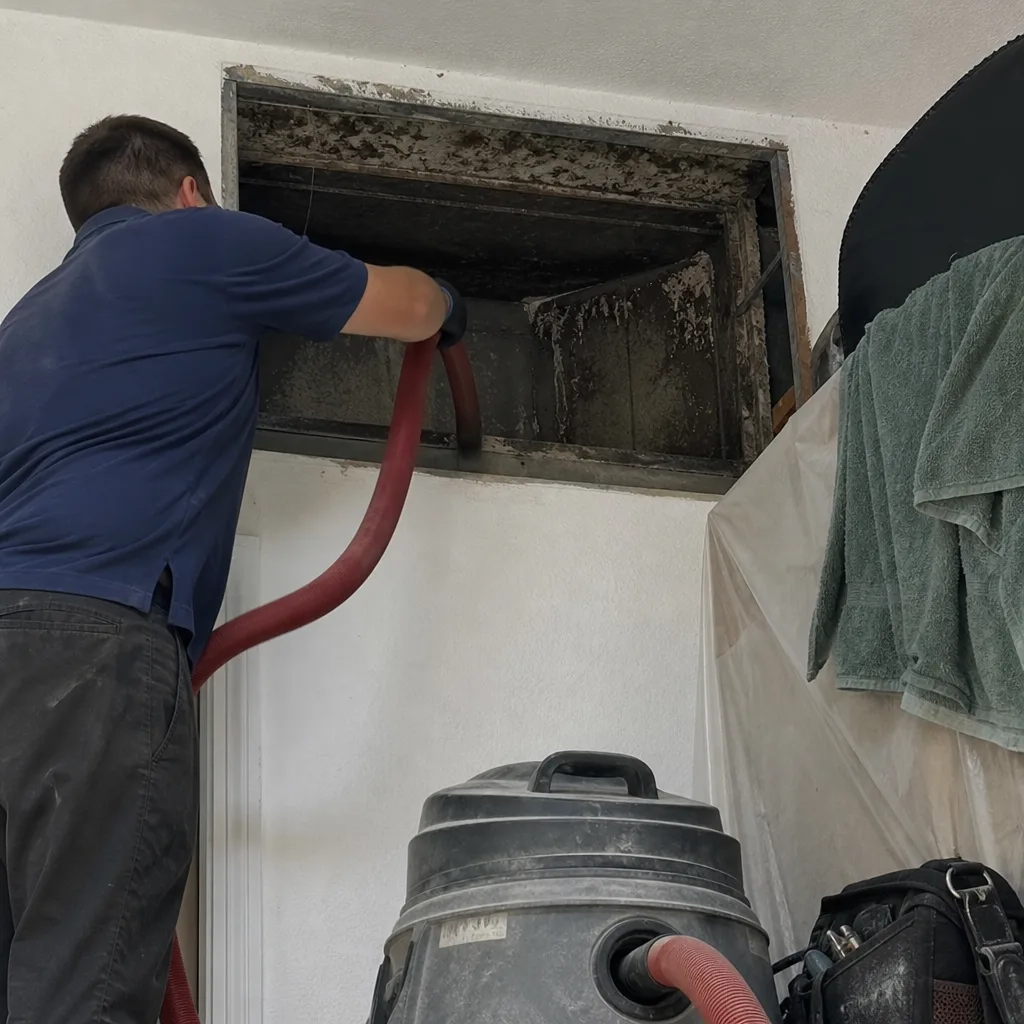 Before
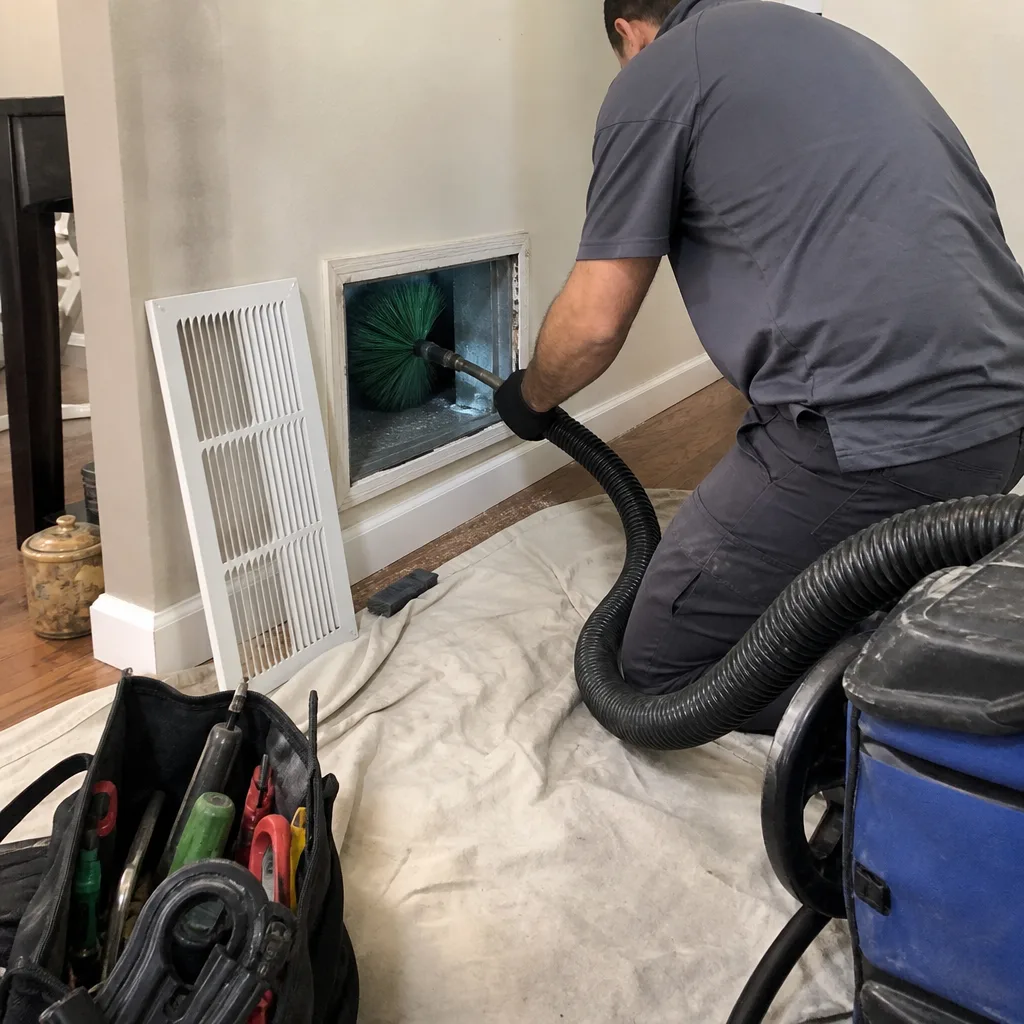 After
After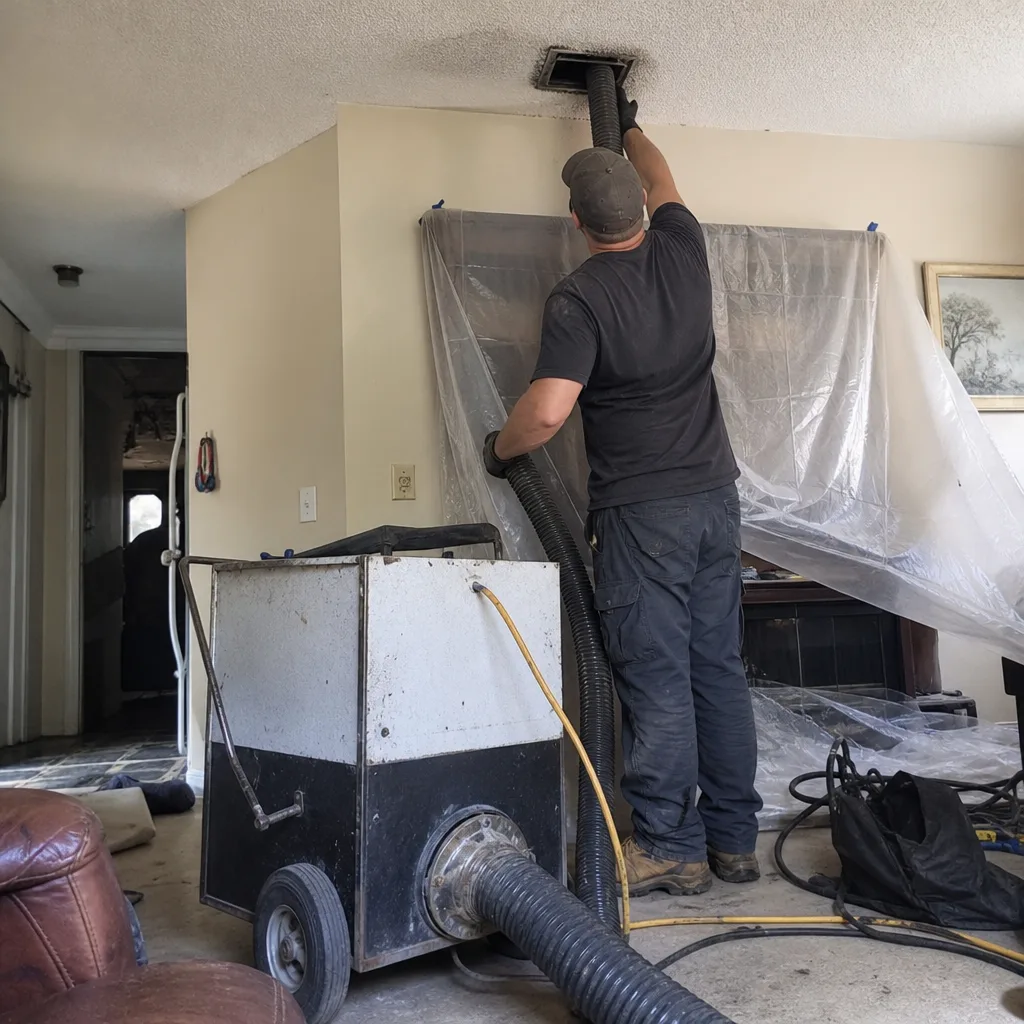 Before
 After
AfterWhen to Call a Professional
Any time duct work moves beyond cleaning, you need a licensed mechanical contractor. That’s not a preference – it’s Florida law. If a technician proposes to replace a section of flex duct, seal duct joints, reroute a run, or repair a plenum, stop and verify the license before authorizing the work. The same applies when a home inspection flags unpermitted duct modifications, or when you’re buying a Jacksonville home with recent HVAC work and can’t find permit records. For cleaning itself, the right professional is a company that documents scope, puts pricing in writing before work starts, and sends you the technician’s name and photo before the visit. For our Air Duct Cleaning services, Linden Air Duct Jacksonville offers free estimates in Jacksonville – call (904) 329-7854 to discuss what your system needs and whether any work crosses the cleaning line.
Frequently Asked Questions
No. Air duct cleaning is classified as maintenance under Florida law and requires no building permit, no mechanical contractor’s license, and no inspection. The permit requirement kicks in only when the work crosses into duct repair, replacement, sealing, or modification – and at that point, the person doing the work must hold the right license under Florida Statute 489. Call (904) 329-7854 if you’re unsure which category your project falls into – we’ll tell you straight.
Replacing flex duct, installing new duct sections, applying mastic or aerosol sealant, rerouting runs, replacing plenums, and modifying dampers all fall under work that Duval County expects to see permitted when performed by a licensed mechanical contractor. Minor component replacements like grilles, registers, and filter racks generally don’t. If you’re planning repair work and want to confirm whether a permit applies, call the Building Inspection Division or speak with a licensed contractor directly.
Search the Duval County Building Inspection Division permit portal by property address and look for mechanical permits matching the work done. Then check the permit status – issued permits that were never inspected and closed are a red flag. If no permit appears and you suspect work was done unpermitted, call the Building Inspection Division with a description of the scope. This five-minute check can save you from inheriting liability at your next resale.
Duct sealing is work. It falls under mechanical repair and modification, which means the person performing it needs a mechanical contractor’s license under Florida Statute 489. Any company offering duct sealing should be prepared to show you their license number and separate the sealing from the cleaning in a written scope-of-work document. If they can’t, that’s your signal to look elsewhere.
No, not legally. A company without a mechanical contractor’s license can clean your ducts, but it cannot repair, replace, seal, or modify them – regardless of how the invoice is worded. If a cleaning technician proposes on-the-spot duct repairs, ask for the company’s Florida mechanical contractor license number and a written scope of work before authorizing anything. If the answer is evasive, stop the job and call someone licensed.
It typically creates one of three outcomes: the seller must disclose it on the Florida property disclosure form, the buyer negotiates a credit to cover bringing the work into compliance, or the deal stalls while a retroactive permit is pursued. In any of those scenarios, the unpermitted work becomes a liability that lands on the homeowner – not the company that did the original work without a permit.
The Bottom Line
Air duct cleaning in Florida is straightforward: no permit, no license, no inspection. But the line between cleaning and work is crossed more often than Jacksonville homeowners realize, and every time it’s crossed without a licensed contractor and proper permits, the liability belongs to the homeowner – at insurance claim time, at resale, and in code enforcement. The protection is simple: know the line, demand a written scope of work, verify licenses before repair work starts, and check permit history on any home you’re buying. Cleaning done right is maintenance. Work done right is licensed, permitted, and documented. For more guides & resources on protecting your home, visit our blog.
Written by Marcus Veale, Owner at Linden Air Duct Jacksonville, serving Jacksonville since 2004.