
Last updated October 15, 2026
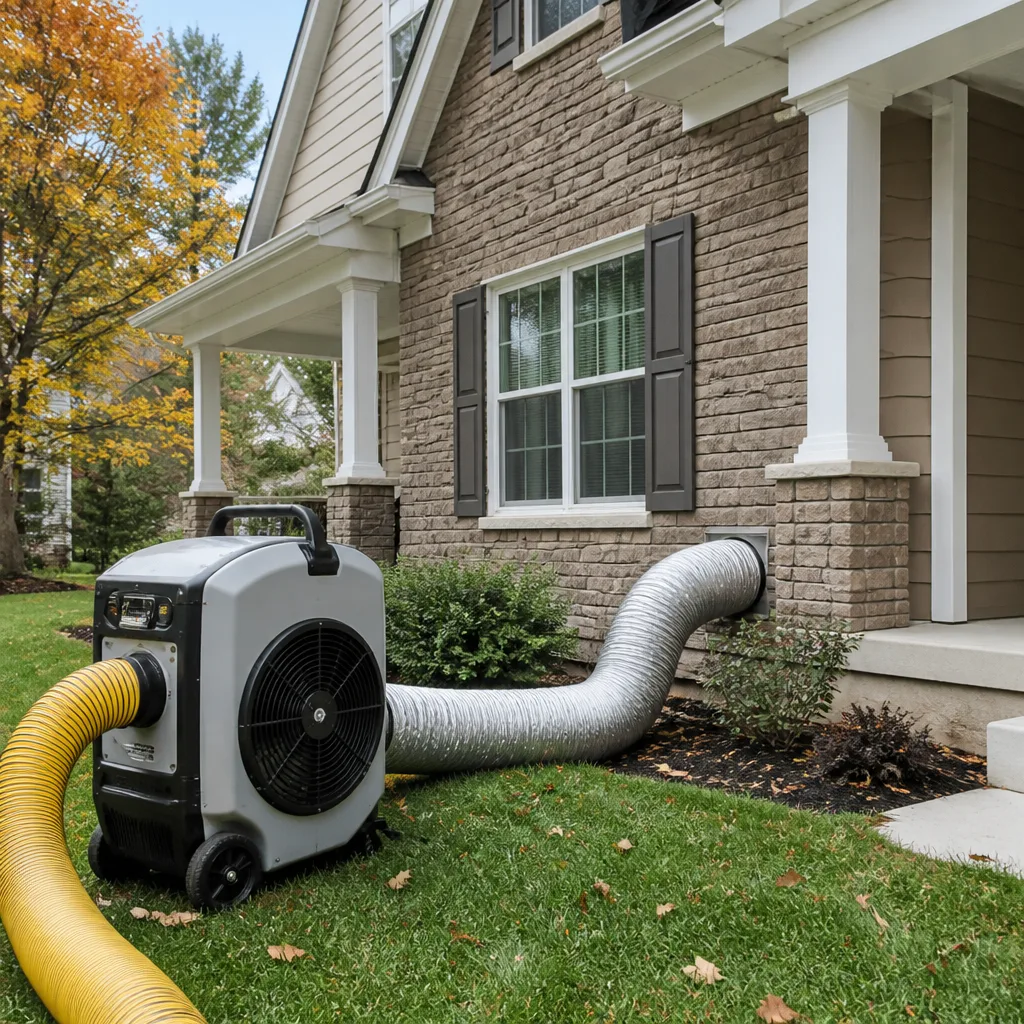 Whole-home duct cleaning
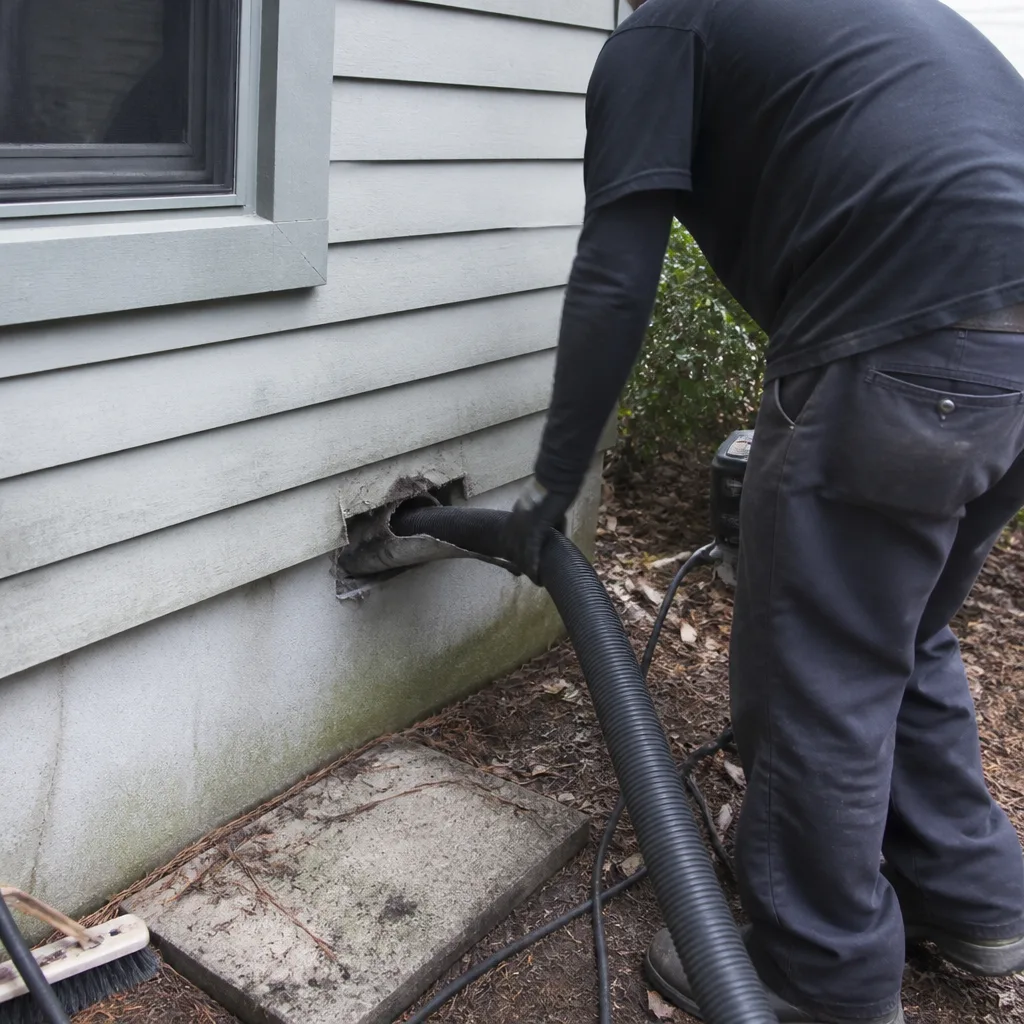
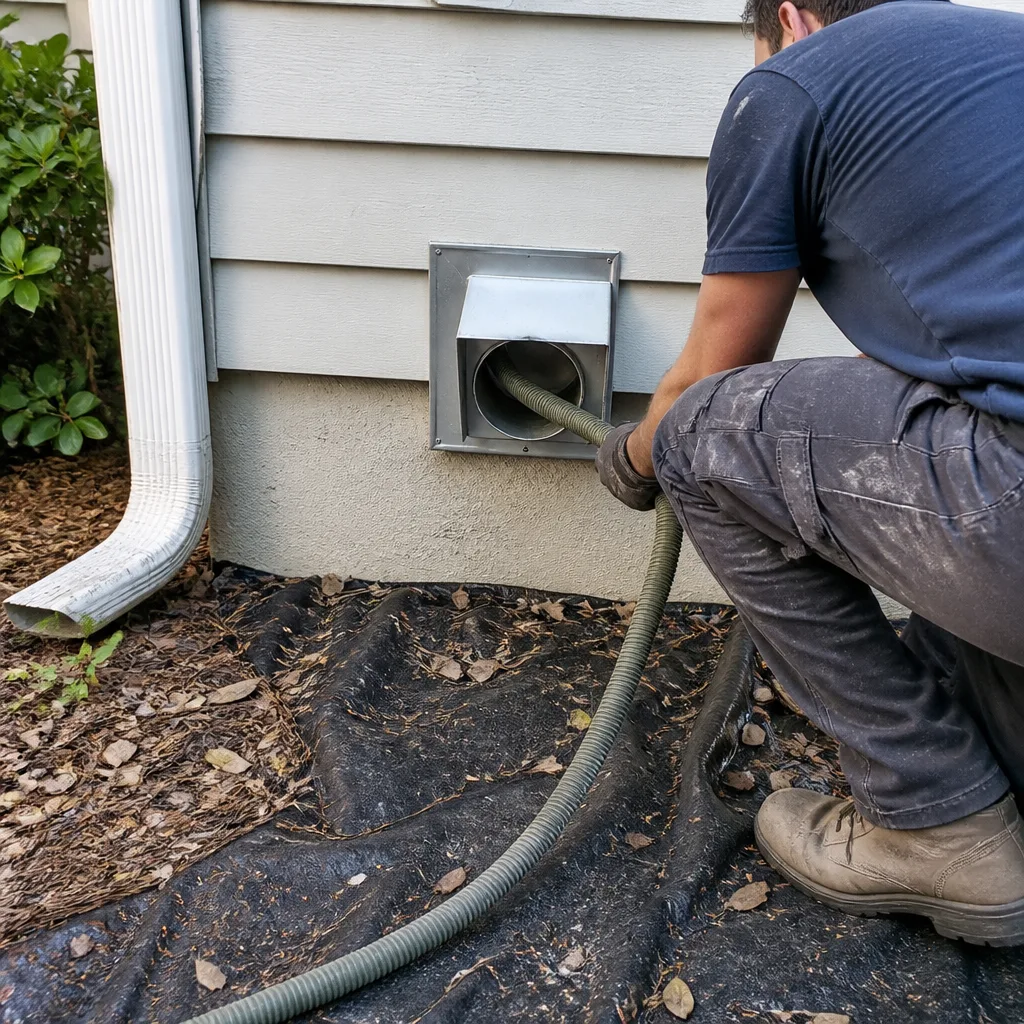
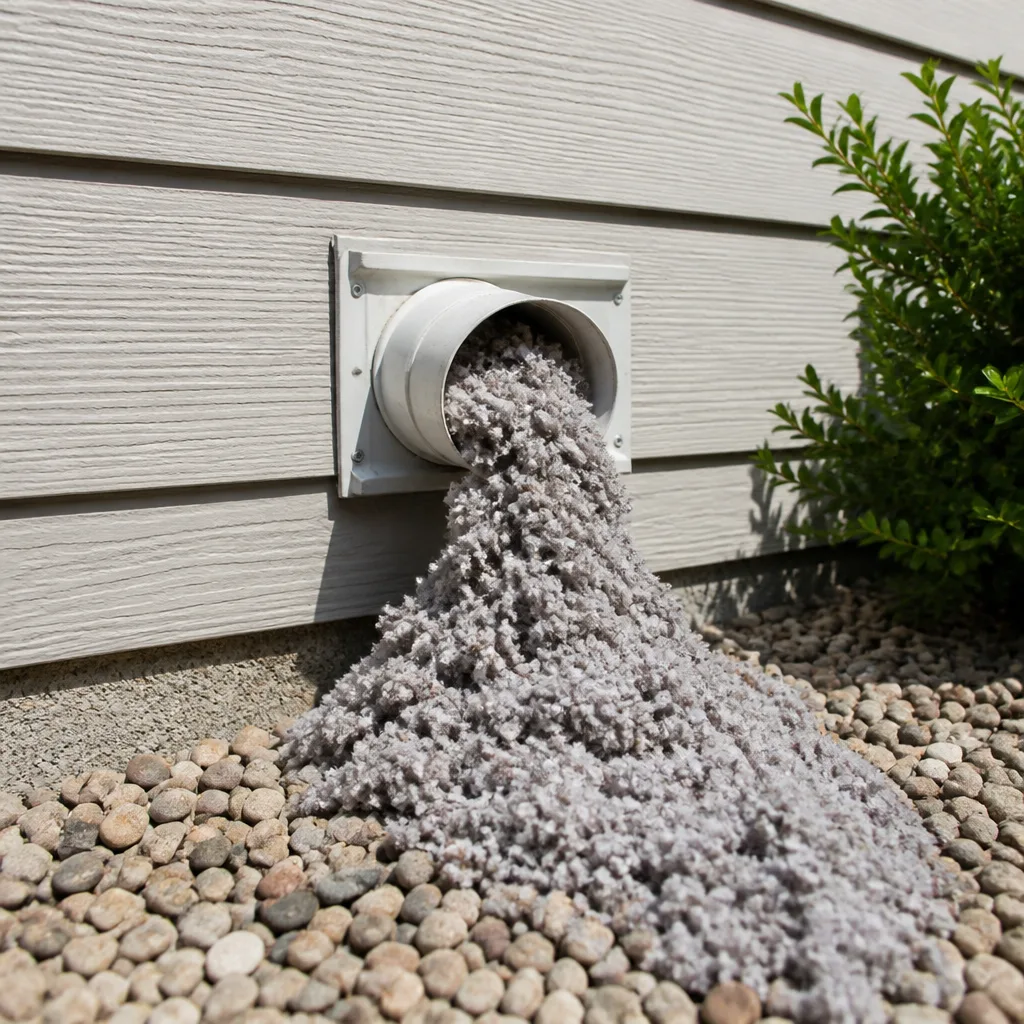 Dryer vent cleaning
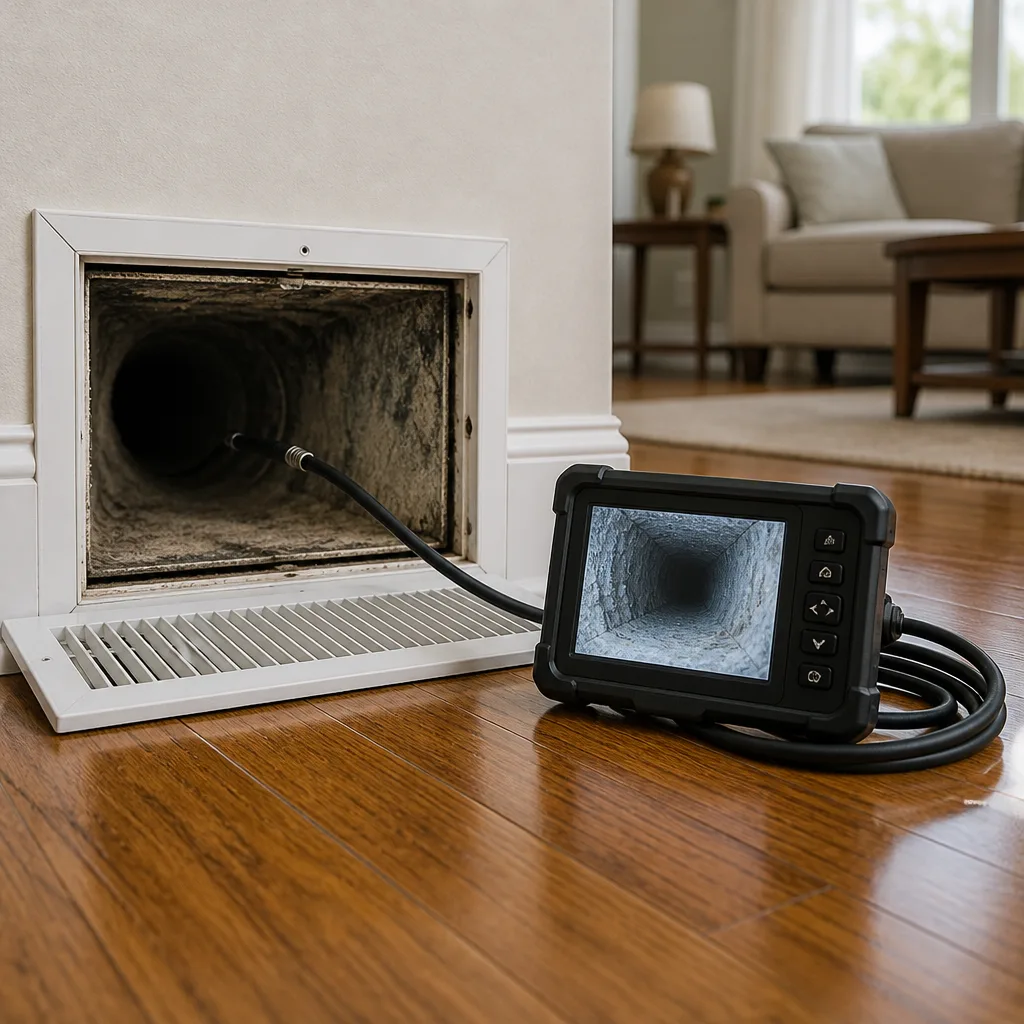 Camera inspection
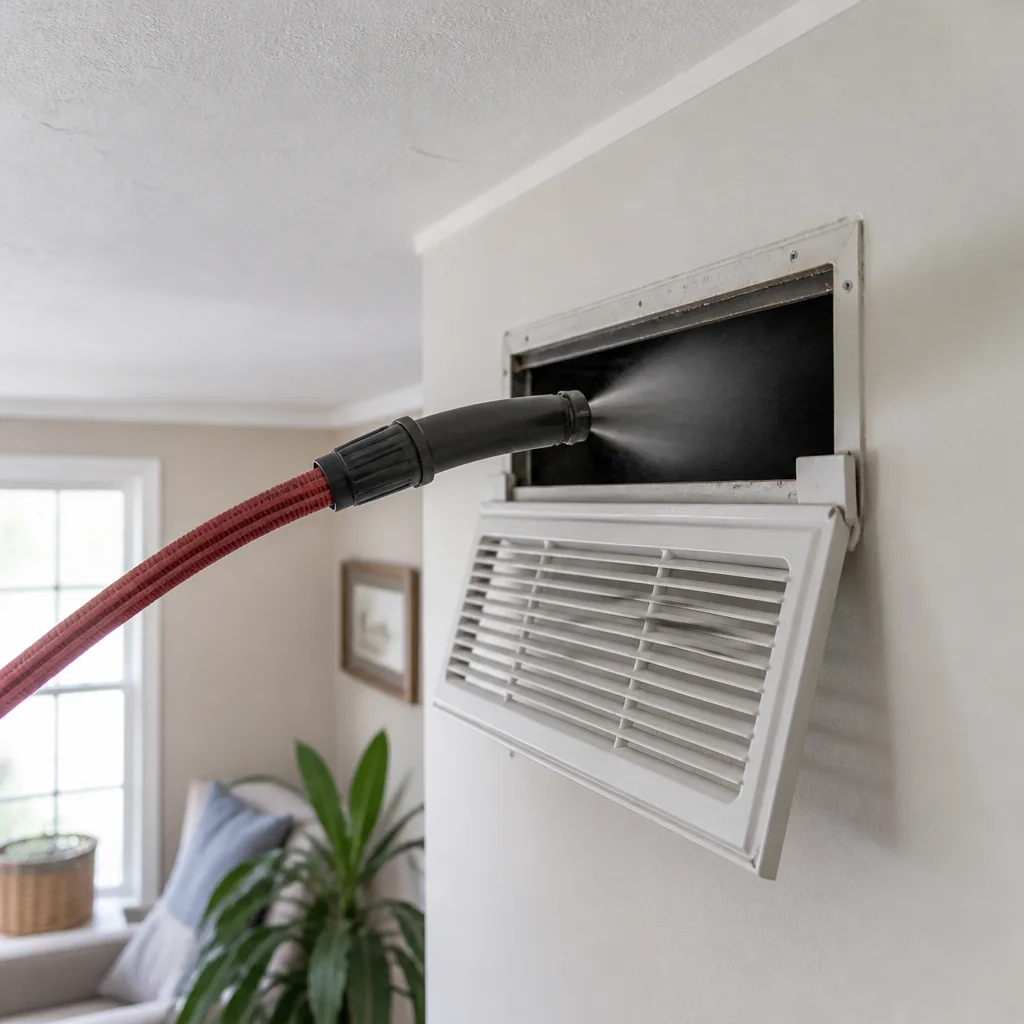 Sanitizing & deodorizing
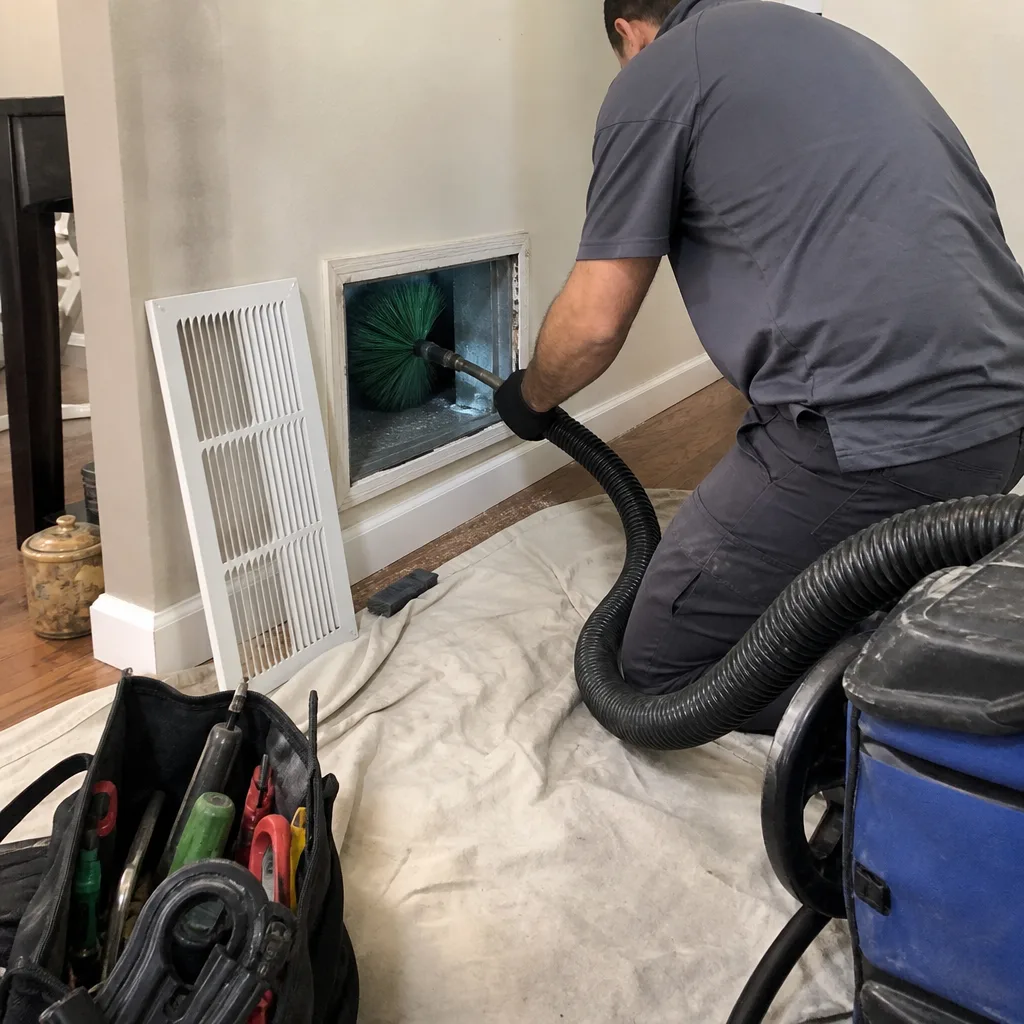
Whole-system duct and dryer vent check with before-and-after photos - you see exactly what came out of your vents
That "$99 whole-house special" is a bait ad - the real number appears once they are in your hallway, or the "clean" is a shop-vac at the register. We photograph the inside of your ducts before and after instead.
Air Duct Cleaning Maintenance Checklist for Jacksonville Homeowners
A $300 air duct cleaning can lose most of its benefit within 90 days. That’s not a sales pitch – it’s what happens when a clogged filter, a cracked return duct, or Jacksonville’s relentless humidity goes unaddressed after the truck pulls away. Most checklists treat duct cleaning as a single event. They hand you a receipt and a reminder to call again in three to five years, with nothing in between. This guide is different. It gives the actions between Air Duct Cleaning visits – monthly, quarterly, and annual checks – the same structure as the service itself. Because in Jacksonville, where pollen season runs from February through May and humidity rarely drops below 70 percent, the time between cleanings is where the real work happens.
Styles & brands we work with
Quick Answer
Air duct cleaning maintenance in Jacksonville comes down to three rhythms: replace or inspect your HVAC filter at least every 60 days (more often during February – May pollen season and July – September humidity peaks), check registers, return grilles, and the air handler cabinet quarterly for dust buildup and moisture, and schedule a professional cleaning every 3 – 5 years, or sooner if you see visible mold, rodent activity, or dust returning to surfaces within days of cleaning. Homeowners who follow this rhythm keep a professional cleaning working longer and catch small problems before they become expensive ones.
Table of Contents
- The Monthly Filter Routine That Jacksonville Climates Demand
- Quarterly Visual Checks: Registers, Return Grilles, and the Air Handler
- Humidity Control: The Jacksonville Factor Most Checklists Skip
- Tracking Air Quality Changes Without Expensive Equipment
- Annual Professional Benchmarks: What a Working System Should Show
- Red-Line Items: Skip the Checklist and Call a Professional Today
- Common Mistakes to Avoid
- When to Call a Professional
- Frequently Asked Questions
- The Bottom Line
The Monthly Filter Routine That Jacksonville Climates Demand
Filter maintenance is the single highest-leverage action between professional cleanings, and it’s the one most homeowners get wrong because most advice is written for somewhere else. The generic “check your filter every 90 days” guidance falls apart in Jacksonville for two reasons. First, oak and pine pollen season runs roughly February through May, and during those months a standard 1-inch fiberglass filter can load up in three weeks. Second, July through September brings humidity that holds dust particles in suspension and forces your air handler to run longer cycles – which means more air moving through the filter, more often. A clogged filter doesn’t just restrict airflow. It forces the blower to work harder, which pulls more unfiltered air through any small gaps in the ductwork, and it lets dust settle deeper into the system that a professional just cleaned.
Here’s the routine that works for Jacksonville homes:
- Inspect monthly, year-round. Pull the filter out and hold it up to a light source. If you can’t see light through it clearly, it’s time regardless of calendar days.
- Replace every 60 days during pollen season (February – May). Even if the filter looks okay at the 30-day mark, Jacksonville’s pollen load means most 1-inch filters are spent by day 45.
- Replace every 60 – 90 days during summer humidity months (June – September). Longer run times mean more particles captured. A pleated MERV 8 – 11 filter handles this better than a flat fiberglass one.
- Every 90 days in the cooler months (October – January) is usually sufficient, unless you have pets or you’re running the system for heat regularly.
One detail most checklists omit: the filter’s job isn’t only to protect your lungs. It’s the first line of defense for the entire duct system. When we clean a home’s ducts professionally, one of the first things we look at is the filter slot and the filter itself. What we see there tells us a lot about how quickly the air duct cleaning in Jacksonville we’re about to do will hold up. A collapsed or undersized filter means debris bypasses the filter entirely and lands in the ducts within weeks. If you’re not sure which filter size or MERV rating your system needs, the air handler cabinet door usually has a label. When in doubt, a MERV 8 pleated filter is a safe middle ground for most Jacksonville homes – enough to trap pollen and dust without choking airflow on older systems.
Quarterly Visual Checks: Registers, Return Grilles, and the Air Handler
You don’t need tools or training to spot most early duct problems. You need a flashlight, a damp paper towel, and about fifteen minutes once a season. These checks catch problems while they’re cheap to fix – a loose register, a cracked return grille, a small moisture stain – rather than after they’ve spread deeper into the system. Do these four times a year, and tie them to something you already remember: the start of pollen season, hurricane season, back-to-school, and the holidays.
What to check, in order:
- Supply registers (the ones that blow air out). Remove the register cover if it lifts off easily. Shine a flashlight into the boot – the metal box connecting the duct to the floor or wall. Look for dust caked on the walls, visible debris, or anything that looks like small black or gray spots. Dust alone is normal. Spots that smear when wiped with a damp cloth and leave a stain may be mold, and that’s a call-to-professional item.
- Return grilles (the larger ones that pull air in). These are in hallways or large rooms and they collect dust faster than anything else in the system. Check the grille itself for a dust mat, and look behind it if you can. A return grille that’s a quarter blocked by dust is effectively choking your whole system.
- The air handler cabinet. Usually in a closet, garage, or attic. Look at the area around the access panel for dust streaks, moisture stains, or rust. Check the condensation drain line if it’s visible – in Jacksonville’s summer humidity, a clogged drain line backs up water into the cabinet, and that water feeds exactly the kind of biological growth nobody wants in their ducts.
- Flex duct connections (attic only, if you’re comfortable). If your ducts run through the attic and you can safely access them, look for sagging sections, disconnected joints, or condensation dripping from the outer jacket. Torn or disconnected flex duct means all that conditioned, cleaned air is being blown into the attic instead of your rooms.
A note on safety: if your air handler is in an attic that’s not floored or
has low clearance, don’t push it. A visual check from the access point is enough. The point is to build a habit of looking, not to become an HVAC technician. These quarterly checks tell you whether your between-visit maintenance is working. If you find dust returning to register boots within four to six weeks of a professional cleaning, something is bypassing the filter. If you find moisture, that’s a separate problem that needs addressing before it becomes a health issue. In our experience across Jacksonville homes, the most common surprise in a quarterly check is a return grille that hasn’t been cleaned in years – and that single grille is re-contaminating every room every time the system runs.
Humidity Control: The Jacksonville Factor Most Checklists Skip
Jacksonville’s climate is the reason a duct system here behaves differently than the same system in Atlanta or Charlotte. The average relative humidity in Jacksonville runs between 70 and 80 percent for most of the year, and it spikes higher during the June – September rainy season. That’s not a comfort issue – it’s a mechanical one. Ducts in humid climates don’t just collect dust; they collect damp dust, and damp dust sticks to duct walls, congeals, and becomes much harder to remove. Worse, humid conditions inside ductwork create the exact environment where mold and mildew can grow if the temperature drops below the dew point anywhere in the system.
The between-visit maintenance implication is simple: controlling indoor humidity isn’t just about comfort, it’s about protecting the investment you made in a professional cleaning. Here’s what you can do without professional equipment:
- Monitor with a $10 hygrometer. Place one near the return grille and one in the main living area. Indoor humidity should stay between 30 and 50 percent. If your home consistently reads above 60 percent, that’s a problem your ducts are feeling too.
- Run exhaust fans whenever you cook or shower. In Jacksonville, you can add a gallon of water to the air by boiling pasta, and a shower adds another. That moisture gets pulled into the return air and circulated through your ducts if it’s not vented at the source.
- Check the condensate drain line monthly during summer. A slow, silent backup in this line adds water to the air handler and, over time, to the ducts themselves. Pour a cup of white vinegar down the line quarterly to slow algae growth.
- Consider a dehumidifier if your home consistently reads above 60 percent. For older Jacksonville homes – think Riverside, Avondale, San Marco – with original windows and insulation, a whole-home dehumidifier or a portable unit near the air handler can be the difference between a cleaning that lasts five years and one that degrades in two.
Here’s the connection to duct cleaning specifically: a professional negative-pressure extraction cleaning removes the dust and debris present on cleaning day. But it cannot stop new biological growth if the system’s environment stays wet. We’ve cleaned ducts in Jacksonville homes where the homeowner was diligent about filters and quarterly checks, but the system sat at 65 – 70 percent humidity for years. The ducts were clean within months of being cleaned because damp dust re-adheres quickly. Humidity control is not an optional add-on in this city. It’s part of the maintenance checklist, and it belongs right next to filter changes in importance.
Tracking Air Quality Changes Without Expensive Equipment
You don’t need a particle counter to know whether your duct maintenance routine is working. The three most reliable indicators cost nothing and take less than a minute each. What you’re looking for is change over time – a baseline now, then honest comparisons month to month.
Filter color. Pull the filter at the same point in its life each month – say, day 30 of a 60-day cycle. The first month or two after a professional cleaning, you should notice the filter darkening less than it did before the cleaning. That’s the most direct measurement you have: less debris in the ducts means less debris reaching the filter. If, three months after a cleaning, the filter is as dark at day 30 as it was before the cleaning, that’s a signal the ducts are re-accumulating faster than they should.
Dust return rate. This is the test that matters most for judging whether a cleaning is holding. After a professional cleaning, take a clean white cloth and wipe a flat surface in the main living area – a bookshelf, a dresser, the top of a door frame. Note how many days pass before you can run a finger across that same surface and see a visible line in the dust. In a home with clean ducts and a good filter, that’s usually 10 – 14 days. If you’re seeing visible dust within 3 – 4 days, something is bypassing the filter or pulling dusty air from somewhere. In our experience, the culprit is usually a cracked return duct in the attic or an unsealed gap where the filter sits.
Register boot inspection. Once a quarter, check the inside of one or two supply register boots with a flashlight. Clean boots should show only a light, loose dusting after a month. Caked-on dust or any visible debris within a few weeks means the system is actively pulling unfiltered air. Write down what you see – date, location, description – in the notes app on your phone. A year of these notes is more useful than any gadget when it comes time to decide whether you need another cleaning or whether something else is wrong.
The trick is consistency, not precision. All three of these are cheap, repeatable, and honest. They tell you what’s actually happening in your system, in your home, in Jacksonville’s specific climate – not what a generic national checklist assumes is happening.
Annual Professional Benchmarks: What a Working System Should Show
Most homeowners schedule a professional duct cleaning and then stay hands-off until the next one. That’s fine, but you should know what a properly maintained Jacksonville system looks like on cleaning day – because those observations tell you whether your between-visit routine is actually working. We perform air duct cleaning in Jacksonville homes every week, and we can tell within the first ten minutes of a job whether the homeowner has been doing the between-visit work.
Here’s what a well-maintained Jacksonville home shows at a professional cleaning:
- The filter slot and filter show even loading. A filter that’s dirty across its entire surface means it was doing its job. Patches of clean filter next to heavy buildup suggest air is bypassing around the filter frame.
- Register boots have light dust, not caked debris. In a home where quarterly checks are happening, the boots show a fine, loose dust that blows out easily. Caked, greasy buildup means months or years of neglect and requires mechanical agitation to remove.
- The return duct has normal dust accumulation, not mats. Return ducts always collect more dust than supply ducts – that’s their job. But a maintained system shows a thin, even layer, not a carpet of dust on the duct floor.
- No moisture stains or rust around the air handler. In Jacksonville’s climate, this is the single best indicator of a healthy system. Homes that manage humidity well show clean, dry air handler cabinets. Homes that don’t show rust, streaks, and sometimes biological growth.
- Flex ducts are intact and connected. Attics in Jacksonville get brutally hot – 130 degrees or more in summer – and that heat breaks down flex duct over time. A maintained home shows connections that are still taped and sealed, not sagging or separated.
These benchmarks aren’t pass-fail tests. They’re reference points. If you see a gap between what your routine is producing and what this list describes – say, caked register boots despite diligent filter changes – it tells you where the problem is, not just that there is one. Maybe the return duct has a crack you can’t see from inside. Maybe the filter slot needs sealing. Maybe the humidity in the home is higher than you realize. Either way, the annual professional visit is where the data you’ve been collecting all year gets confirmed or corrected. That’s the real difference between a maintenance checklist that protects a cleaning and one that just fills a calendar.
Red-Line Items: Skip the Checklist and Call a Professional Today
Most of this guide is about patient, methodical maintenance. But some findings don’t belong on a maintenance calendar. They belong on a phone call. These are the Air Duct Cleaning Warning Signs: A Jacksonville Homeowner’s Reference Guide items that mean stop, don’t wait for the next quarterly check, and don’t try to fix it yourself – in some cases, trying to fix it yourself is genuinely dangerous. In Jacksonville specifically, where heat and humidity accelerate every problem, waiting three months on these is the difference between a $200 fix and a $2,000 one.
- Visible mold growth on registers, grilles, or inside ducts. If you see fuzzy, black, gray, or green growth that smears when wiped, or if you notice a musty smell when the system runs, stop using the system if possible and call a professional. Mold in ducts is not a DIY project. In Jacksonville’s humidity, it spreads fast, and it can travel through the entire home on the air stream. A professional can assess whether it’s surface contamination or deeper, and can recommend what to do about the moisture source that’s feeding it.
- Rodent or pest activity in the ducts. Droppings, nesting material, or the sound of movement in the ducts is a health and safety issue. Rodents in ductwork leave behind contaminants that no filter will catch, and the smell is unmistakable. This is a call-today item.
- Water in or around the air handler. Standing water, a soaked filter, or water stains on the ceiling below an attic air handler means the condensate drain is blocked or the unit is leaking. Water plus ducts plus Jacksonville heat equals mold, and quickly.
- Sudden, unexplained dust clouds when the system starts. If you turn on the air and see a puff of dust from the registers that wasn’t there last week, something broke or came loose – a disconnected flex duct, a fallen register boot, a collapsed section. That’s not maintenance; that’s a failure.
- Burning or electrical smells from the vents. This one doesn’t need explanation. Turn the system off and call a professional immediately. A burning smell from an air handler can indicate a failing blower motor, and no homeowner should open an air handler cabinet themselves.
What about the homeowner who’s not sure? If you see something that doesn’t look right and you don’t know whether it’s normal dust or a problem, the safe move is to call and ask. A good Jacksonville duct company will talk you through what you’re seeing and tell you honestly whether it warrants a visit. We’d rather answer ten calls about ordinary dust than miss one that should have been caught early.
Common Mistakes to Avoid
- Using fiberglass filters in Jacksonville’s pollen season. Flat fiberglass filters – the cheap blue ones – capture only about 20 percent of particles in the 10 – 30 micron range, which is exactly where pollen sits. During February through May, a pleated MERV 8 or higher is the bare minimum. A fiberglass filter in March means most of that oak and pine pollen passes through and settles in your ducts.
- Changing the filter too rarely and then overcompensating. Some homeowners run a filter for six months, see how bad it looks, then switch to a MERV 13 filter thinking higher is always better. It’s not. MERV 13 and higher filters restrict airflow, especially on older systems common in Jacksonville’s historic neighborhoods like Riverside and Springfield. Restricted airflow makes the blower work harder, increases energy use, and can freeze the coil – which then drips water into the ducts. MERV 8 to 11 is the sweet spot for most homes.
- Closing registers in unused rooms. It feels like it saves energy, but your system was designed to push a certain amount of air through a certain number of openings. Closing registers increases static pressure, which forces air through gaps in the ductwork and pulls dust in from unfiltered spaces like attics and crawlspaces. In Jacksonville, it also creates cold spots where condensation can form.
- Skipping the return grilles during quarterly checks. Homeowners focus on the registers they can see blowing air – the supplies. But returns are where air enters the system, and a clogged return grille is pulling dust into the ducts and the air handler on every cycle. A quarterly wipe-down of return grilles with a damp cloth is the fastest, cheapest maintenance on this entire list.
- Treating duct cleaning as a one-time fix for allergies. Duct cleaning removes accumulated dust and debris, but it doesn’t stop new particles from entering the system. If you get a cleaning and then don’t manage filters, humidity, or return grilles, the system re-contaminates within months in Jacksonville’s climate. The cleaning worked; the maintenance didn’t.
- Ignoring the cond
ensate drain line.
In most of the country, the condensate line is a minor seasonal item. In Jacksonville, it’s a major one. A clogged line backs up into the air handler, and from there, water enters the duct system. This single $10-a-year maintenance item prevents more duct and air handler damage in Jacksonville than almost anything else on this list.
When to Call a Professional
This whole checklist is designed to keep you in control of what happens between professional cleanings. But some situations need a trained eye and professional equipment. Call when you see mold, signs of rodents, water where it shouldn’t be, or a sudden change in dust or airflow. Call if your filter is dark within a month of a cleaning and you can’t figure out why. Call if you’ve bought a home in Jacksonville and you don’t know the last time the ducts were cleaned – in our experience, the previous owner never did it, so check Air Duct Cleaning Permits, Codes & Inspections in FL: What You Need to Know before you schedule. And call if you simply want a professional set of eyes on a system you’ve been maintaining yourself, to confirm the routine is working. Linden Air Duct Jacksonville offers free estimates across Jacksonville – call (904) 329-7854 and a real person answers, any time.
Frequently Asked Questions
Whole-home air duct cleaning in Jacksonville typically costs between $300 and $600 for an average 2,000 to 2,500-square-foot home, depending on the number of systems, the condition of the ductwork, and the accessibility of the air handler. Homes with severely neglected ducts, multiple systems, or significant contamination may run higher. At Linden Air Duct Jacksonville, every job gets a written price before work begins – the price is confirmed in writing, and there are no surprise invoices at the end. Call (904) 329-7854 for a specific quote on your home; estimates are free.
Cheap duct cleaning quotes usually come from companies using a per-vent or teaser price that doesn’t represent the actual scope of work. The $49 whole-house offer becomes $400 once the technician arrives and “finds” additional work. In Jacksonville, where bait-and-switch duct cleaning is a known problem, the best defense is a written price before any work begins. Linden Air Duct Jacksonville provides exactly that, on every job, with no exceptions. A real quote covers the entire system, all vents and returns, the main trunk line, and the air handler.
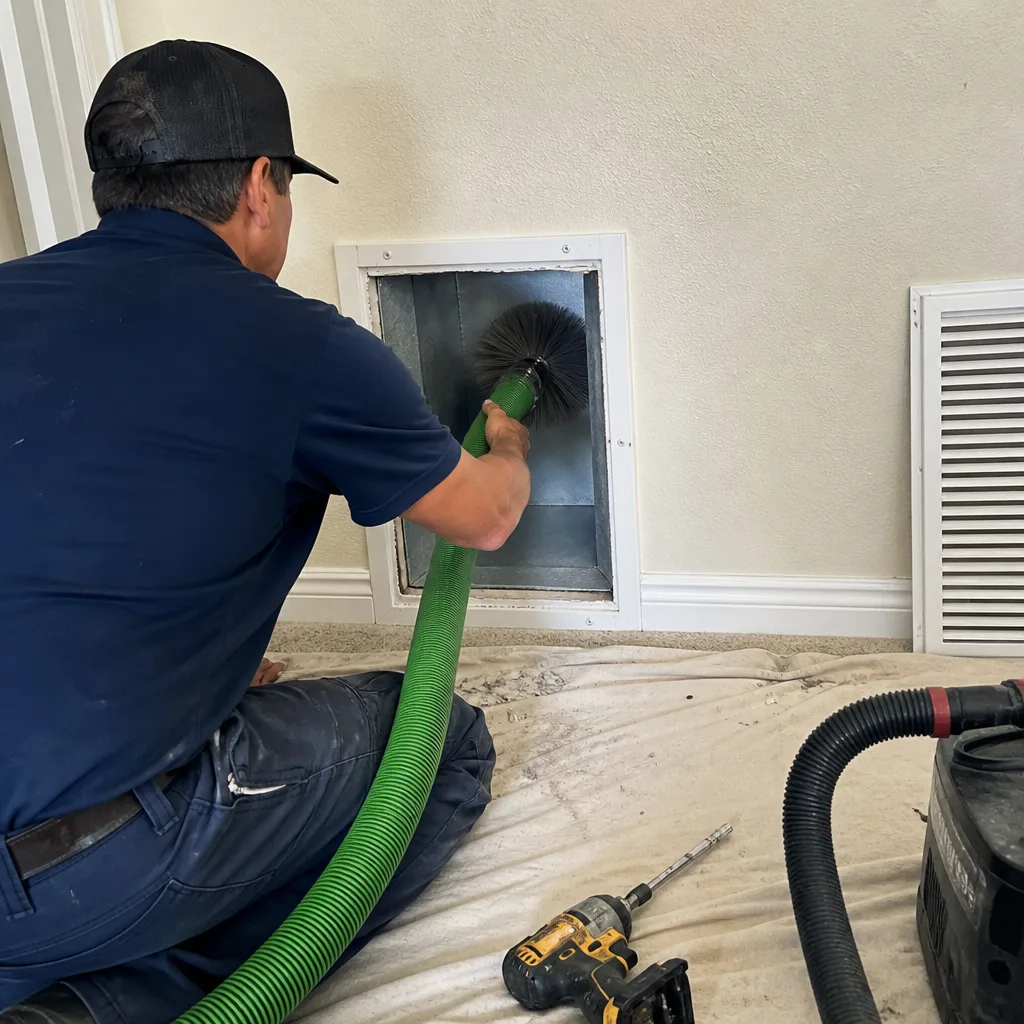
You should see photographic proof. Request before-and-after photos of the inside of your ducts – a professional negative-pressure extraction cleaning with Rotobrush or Nikro equipment produces visible, documentable results. At Linden Air Duct Jacksonville, we show you what we found and what the ducts look like when we’re done. The technology exists to do this; any company that won’t show photos is giving you a reason to keep looking.
For most Jacksonville homes, a professional cleaning every 3 to 5 years is appropriate, but pollen season intensity and humidity can compress that timeline. Homes with pets, smokers, recent renovation work, or residents with allergies or respiratory conditions may need cleaning every 2 to 3 years. Homes with excellent filter discipline and humidity control can stretch to 5 years. The indicators in this guide and our more guides & resources – filter color, dust return rate, and register boot condition – will tell you more than a calendar ever will. If you’re unsure, call (904) 329-7854 and we’ll help you assess it honestly.
No, and you’ll likely make the problem worse. Household vacuums don’t create the negative pressure needed to pull debris from deep inside duct runs, and they certainly don’t agitate caked-on buildup loose. You’ll knock debris around, possibly damage vent connections, and leave the system no cleaner than you found it. Professional duct cleaning uses truck-mounted or HEPA-filtered negative-pressure extraction equipment from companies like Rotobrush and Nikro to pull the entire system under vacuum while agitating debris free. It’s not a DIY project, and in Jacksonville’s humid environment, incomplete cleaning can make damp dust problems worse.
Jacksonville’s climate is the main reason. Pollen season loads the air with particles from February through May, and summer humidity causes dust to cling to surfaces and duct walls rather than falling out of circulation. If dust returns within days of a professional cleaning, the most likely causes are a bypassing filter, a cracked or disconnected return duct pulling attic air into the system, or excessive indoor humidity. The quarterly visual checks in this guide are designed to catch exactly these issues. If you’re seeing heavy dust within a week of cleaning, call Linden Air Duct Jacksonville at (904) 329-7854 – that’s a system problem, not a cleaning problem.
Almost certainly yes, and the older the home, the stronger the recommendation. Jacksonville’s housing stock spans everything from new construction in Nocatee and Bartram Park to century-old homes in Springfield and Riverside, and in our experience, previous owners rarely clean ducts before selling. Renovation dust, pet dander from previous residents, and years of accumulated pollen are all sitting in the ductwork on move-in day. A cleaning at move-in gives you a clean baseline, and then you can start this maintenance checklist from day one with a system that’s actually clean.
The Bottom Line
A professional air duct cleaning in Jacksonville is an investment, and like any investment, it pays out over time or it doesn’t depending on what you do after you make it. The maintenance routine in this guide – filter inspection tied to actual pollen and humidity seasons, quarterly visual checks at registers and the air handler, humidity control as a first-class priority, and honest tracking with cheap tools – is what separates a cleaning that lasts three years from one that degrades in ninety days. The common thread is attention, not expense. Most of this costs nothing but fifteen minutes a season. What it buys is a system that stays clean longer, runs more efficiently, and doesn’t surprise you with a red-line emergency. If you’d rather have a professional handle the deep work while you handle the between-visit routine, Linden Air Duct Jacksonville is here to help. We also provide dryer vent cleaning in Jacksonville and air duct repair in Jacksonville for the full scope of system health. Call (904) 329-7854 for a free estimate with a written price before any work begins.
Written by Marcus Veale, Owner at Linden Air Duct Jacksonville, serving Jacksonville since 2004.
See the difference
 Before
 After
After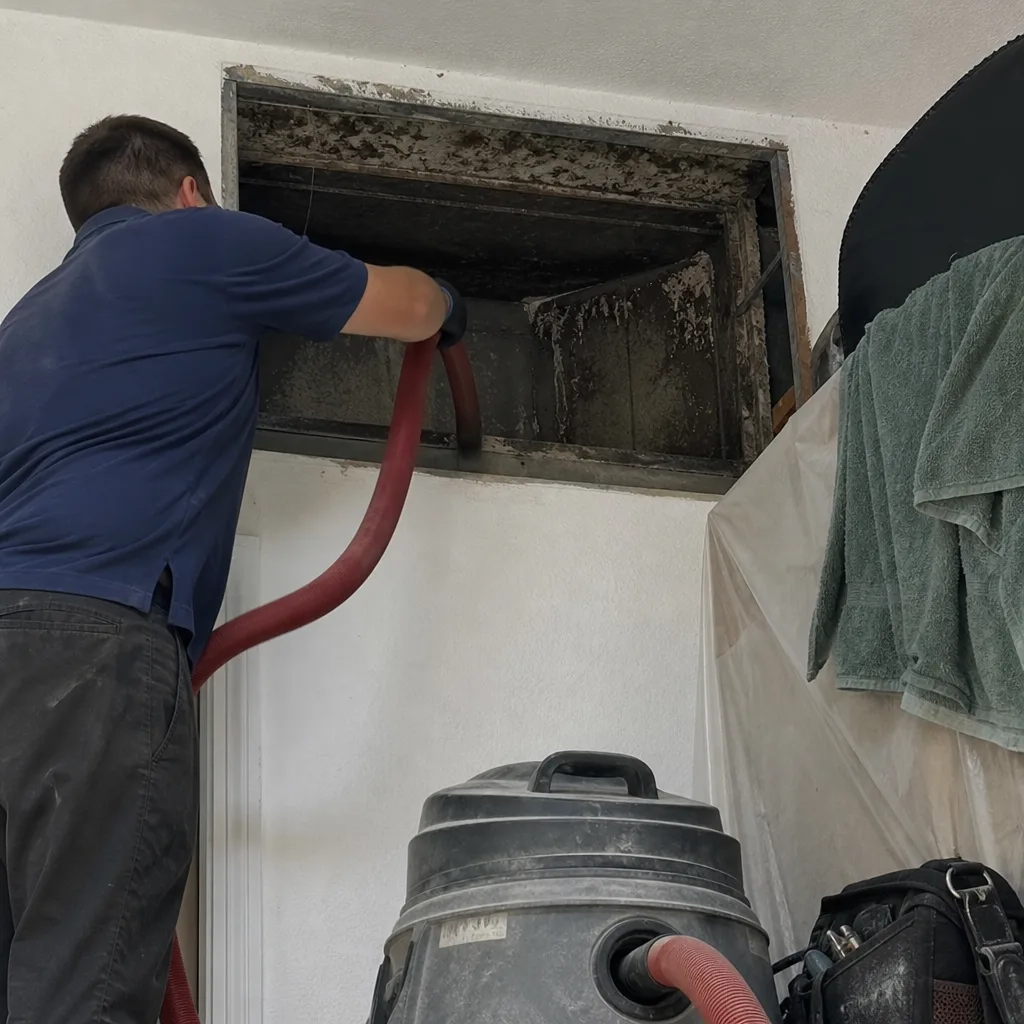 Before
 After
After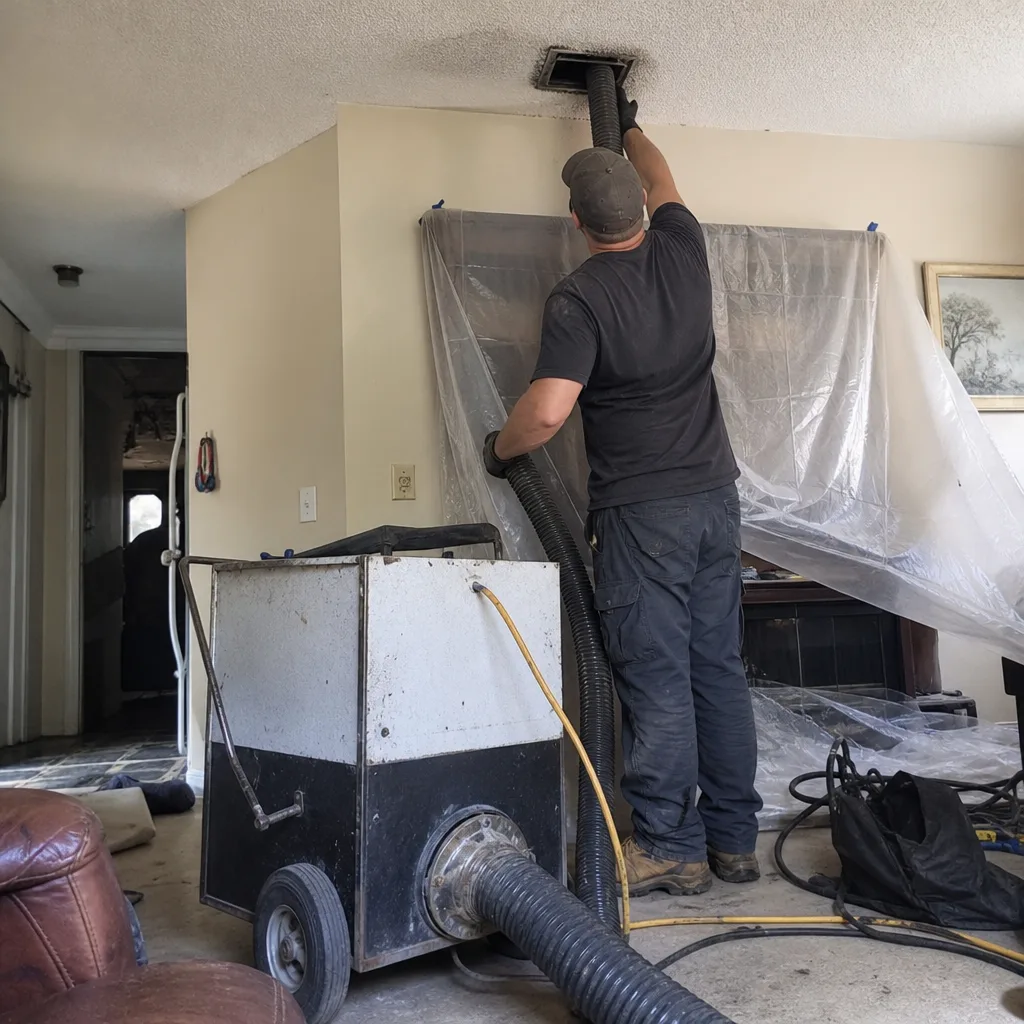 Before
 After
After