
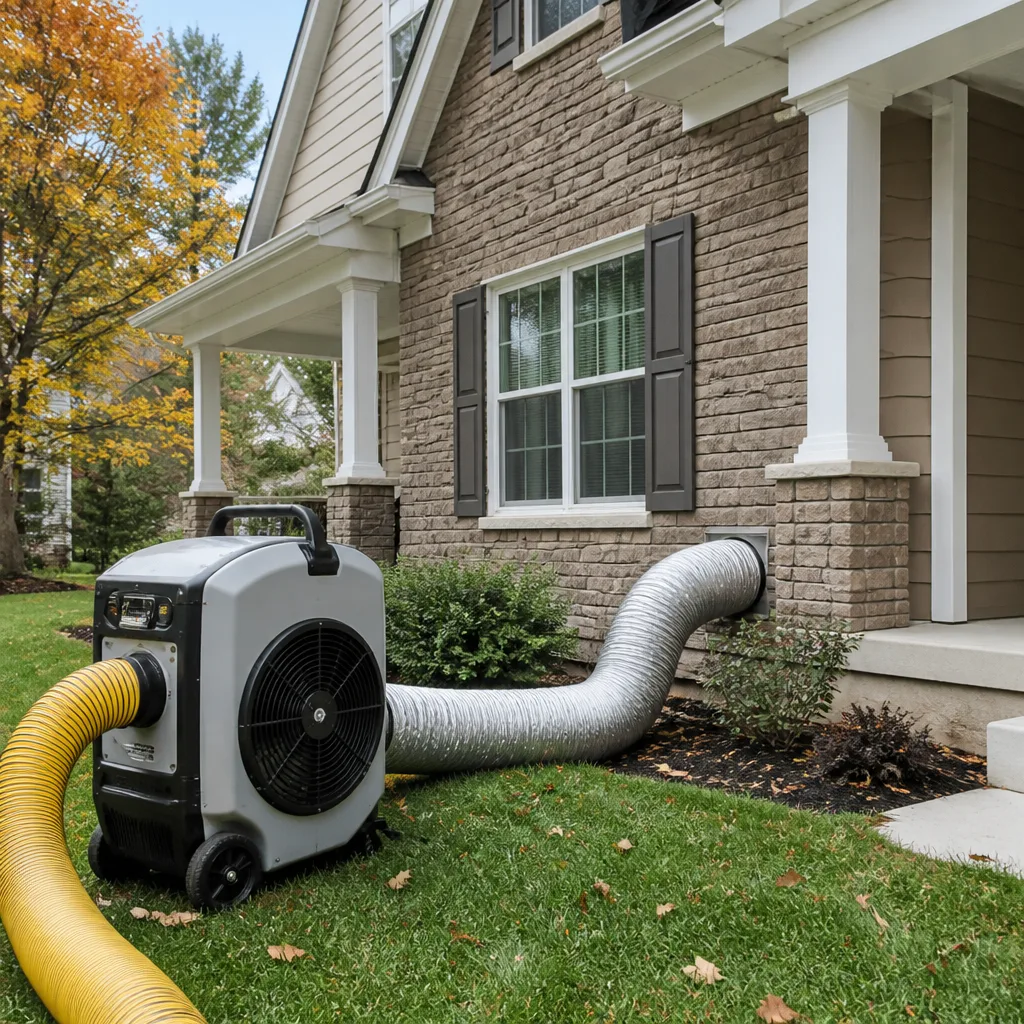
 Whole-home duct cleaning
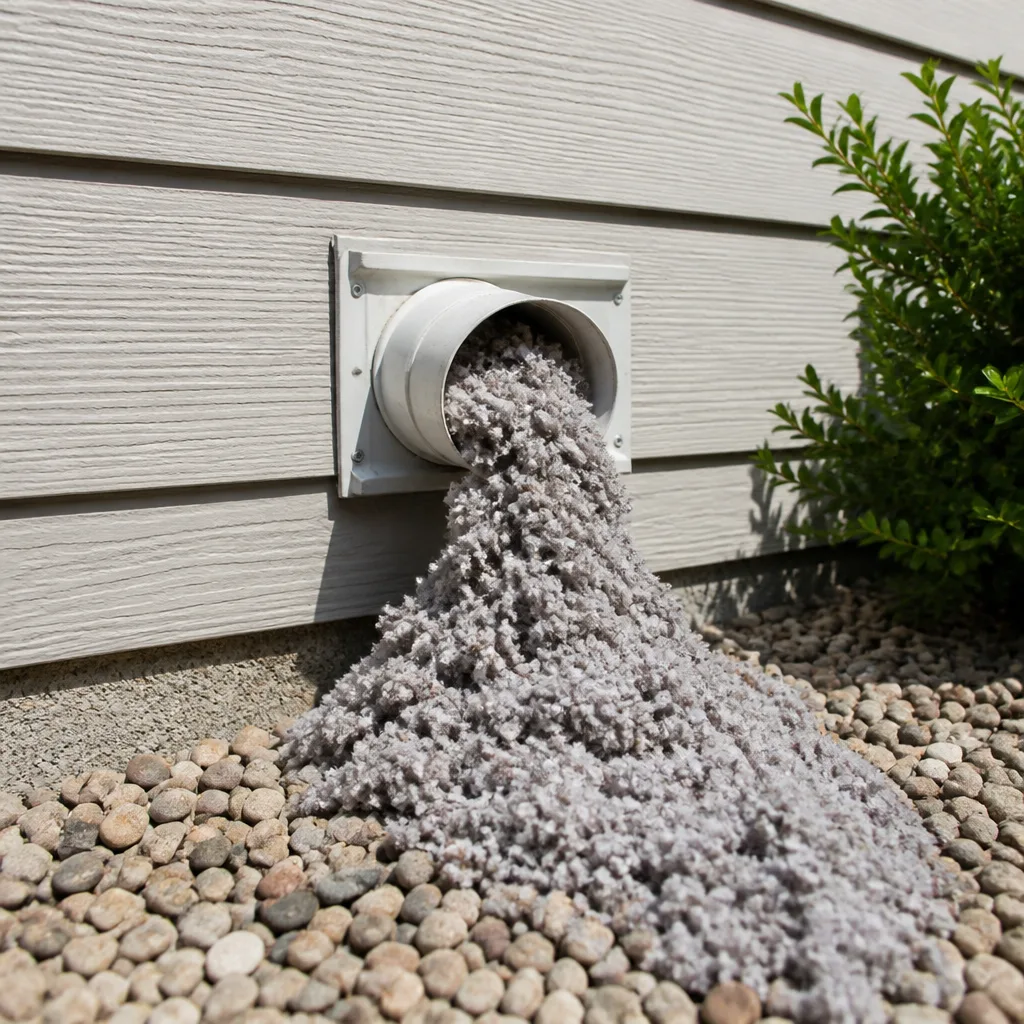 Dryer vent cleaning
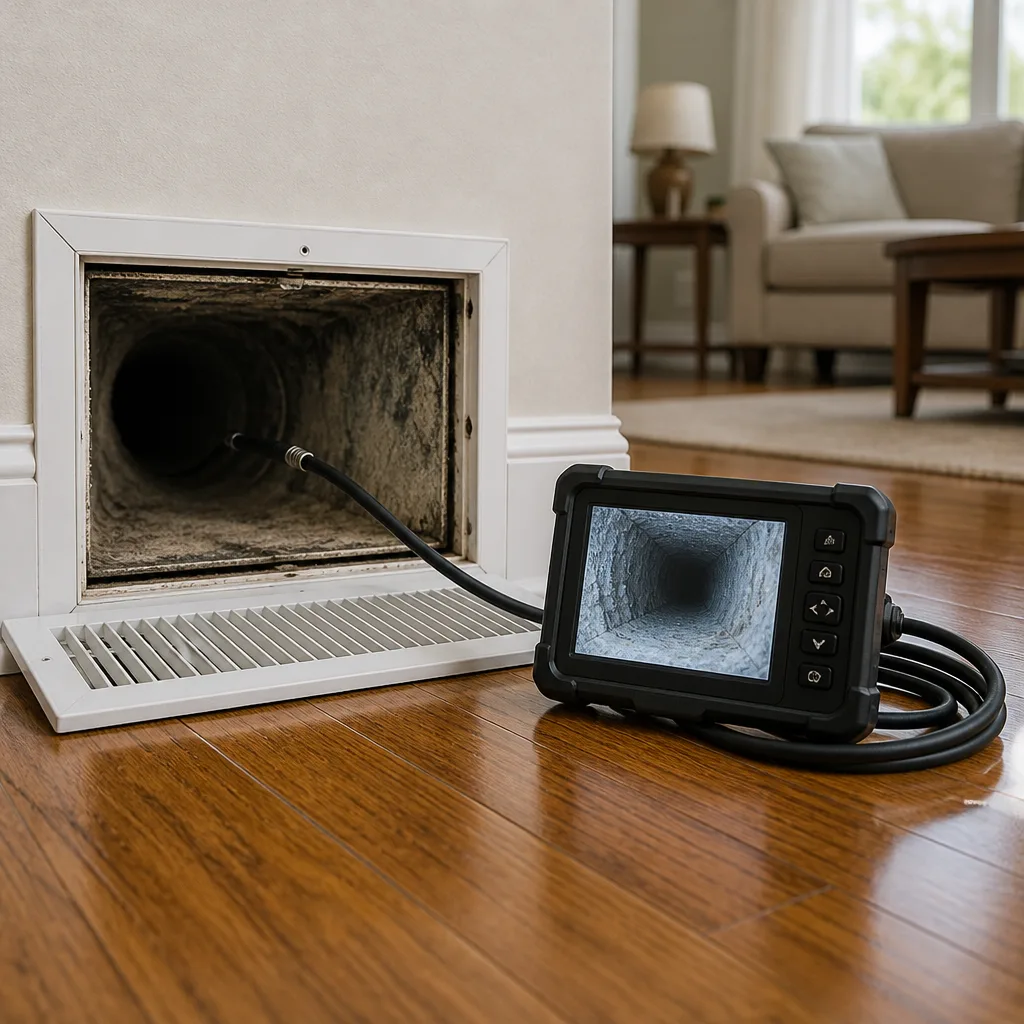 Camera inspection
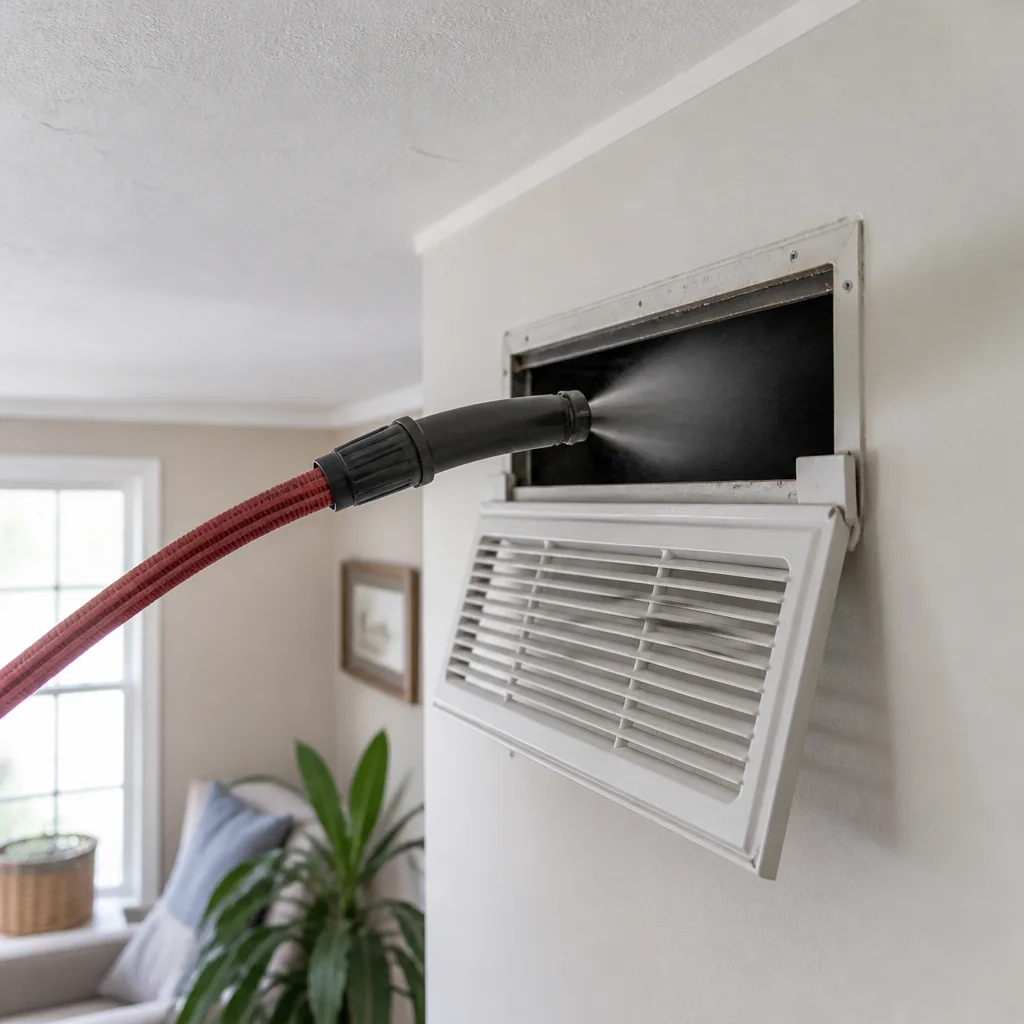 Sanitizing & deodorizing
Whole-system duct and dryer vent check with before-and-after photos - you see exactly what came out of your vents
That "$99 whole-house special" is a bait ad - the real number appears once they are in your hallway, or the "clean" is a shop-vac at the register. We photograph the inside of your ducts before and after instead.
Rotobrush Vent Sanitizing: The Jacksonville Owner’s Guide
If your Rotobrush vent sanitizing system has a failed sprayer, clogged nozzle, or a pump that won’t hold pressure, we stock replacement parts on our trucks and can typically complete the repair the same visit. Most Rotobrush vent sanitizing part replacements in Jacksonville run between $140 and $330 installed, depending on what failed and which Rotobrush model you’re running. You’ll usually notice it first when the sanitizer comes out as a dribble instead of a fine mist, or the trigger stops engaging entirely mid-job.
Here’s the honest part: when that pump stops atomizing properly, you’re not sanitizing anything. You’re just wetting the duct walls and hoping. That’s the moment to call before the next job goes out half-done. Tell me what you’re seeing and I’ll tell you if it’s worth fixing.
Which Rotobrush Models This Applies To
Rotobrush has used a few different sanitizing delivery setups across its machine generations, and the parts are not all interchangeable. The aiR+ and Patriot series run an integrated sprayer that draws from an onboard tank, while many older Rotobrush models used a separate hand-pump or cartridge system with a different thread pitch on the nozzle. If you’ve got a unit from before roughly 2015, don’t assume a newer spray wand will thread on. It often won’t, and forcing it strips the fitting.
Your model number lives on a data plate near the power switch or on the frame rail under the hose reel. Snap a photo of it before you call. We also need the measurement across the nozzle opening, because Rotobrush changed orifice sizes between generations even when the housings look identical. We’re an independent service provider and not affiliated with Rotobrush, so we match by actual spec and fitment, not just by part number. For OEM parts we go through Rotobrush’s distribution network. For pieces like spray tips, pickup tubes, and tank seals, we’ll sometimes use a quality aftermarket equivalent when it matches or exceeds the original spec, and we’ll tell you which one we’re installing and why before we turn a wrench.
Styles & brands we work with
Signs Your Rotobrush Vent Sanitizing Is Failing
- Weak or uneven spray pattern. The pump still runs but the output is more spit than mist. This usually points to a worn diaphragm in the pump or a partially clogged orifice, and it means active coverage is spotty regardless of how it looks on the wand.
- Trigger won’t engage or stays locked. The trigger valve on Rotobrush wands has an internal spring and O-ring that wears with repeated use. When the trigger binds or freezes, the valve is no longer sealing, and sanitizer either dribbles continuously or won’t flow at all.
- Sanitizer leaking from the wand body or base connection. This is almost always a failed O-ring or a cracked quick-connect fitting at the swivel. It is not normal “seepage,” and running it leaks product onto the floor and into areas that never see airflow.
- Pump runs but no product moves. If the motor is spinning and the tank is full but nothing reaches the nozzle, the pickup tube may be cracked, the inlet strainer is blocked, or the check valve inside the pump has failed. Each cause has a different fix, and two of the three are cheap to correct.
- Residue haze on walls or floors after use. When atomization breaks down, the sanitizer lands as heavy droplets instead of a dry mist. That residue is product that should be airborne and doing its job, and it’s also telling you the particle size is too large for effective contact time on duct surfaces.
See the difference
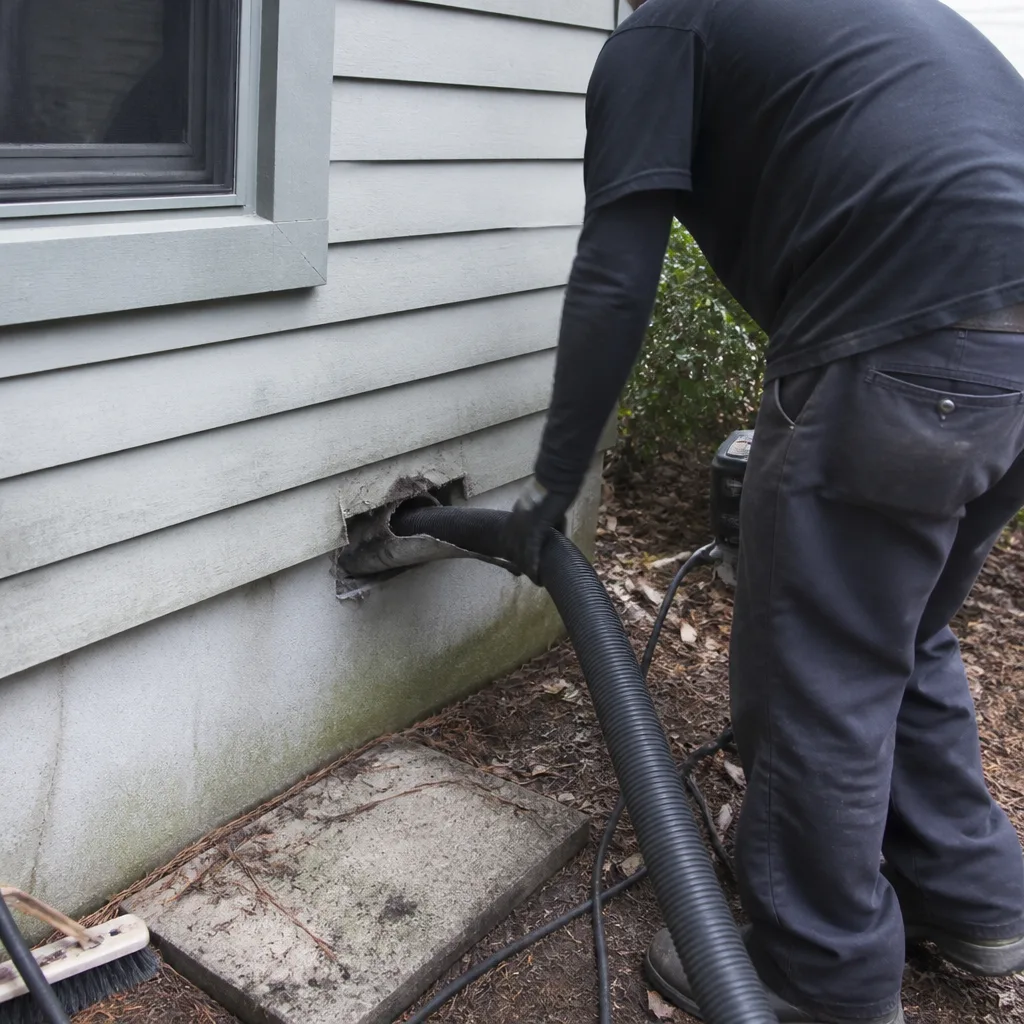 Before
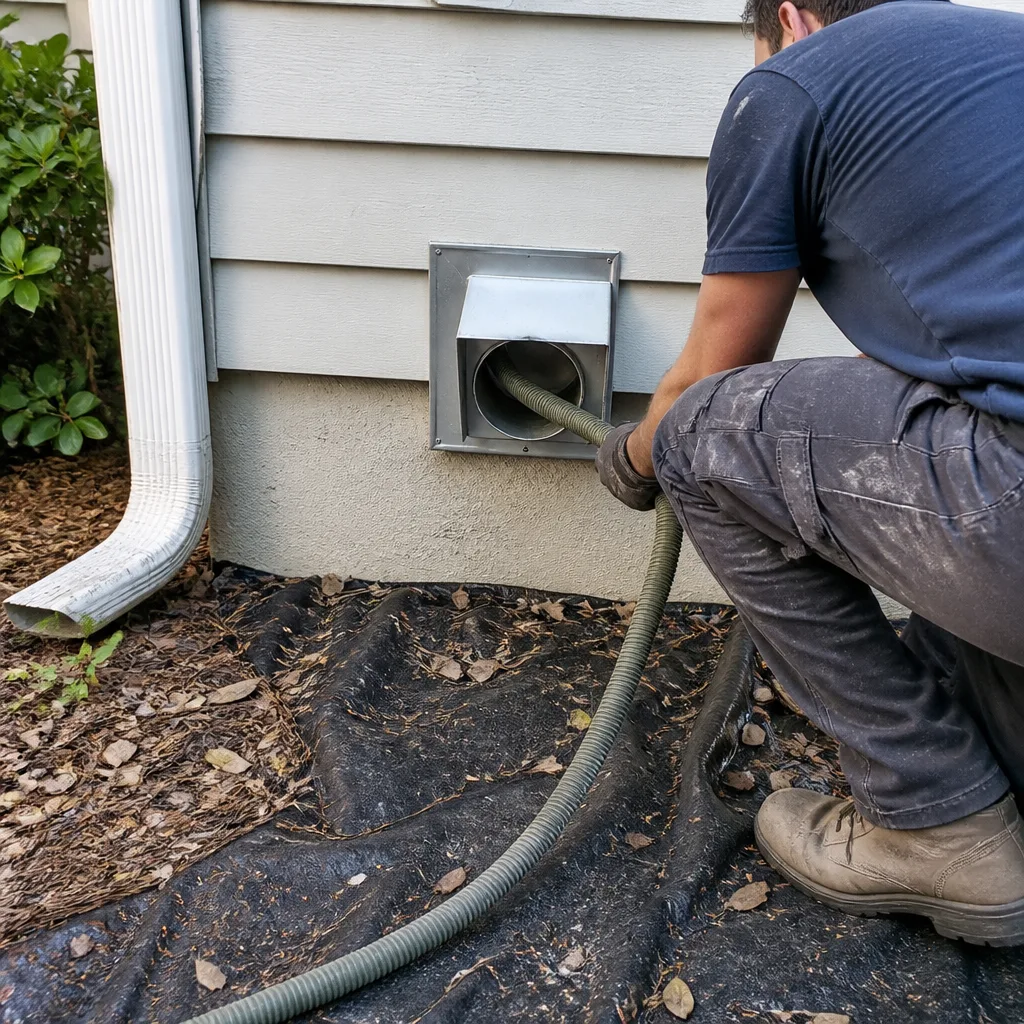 After
After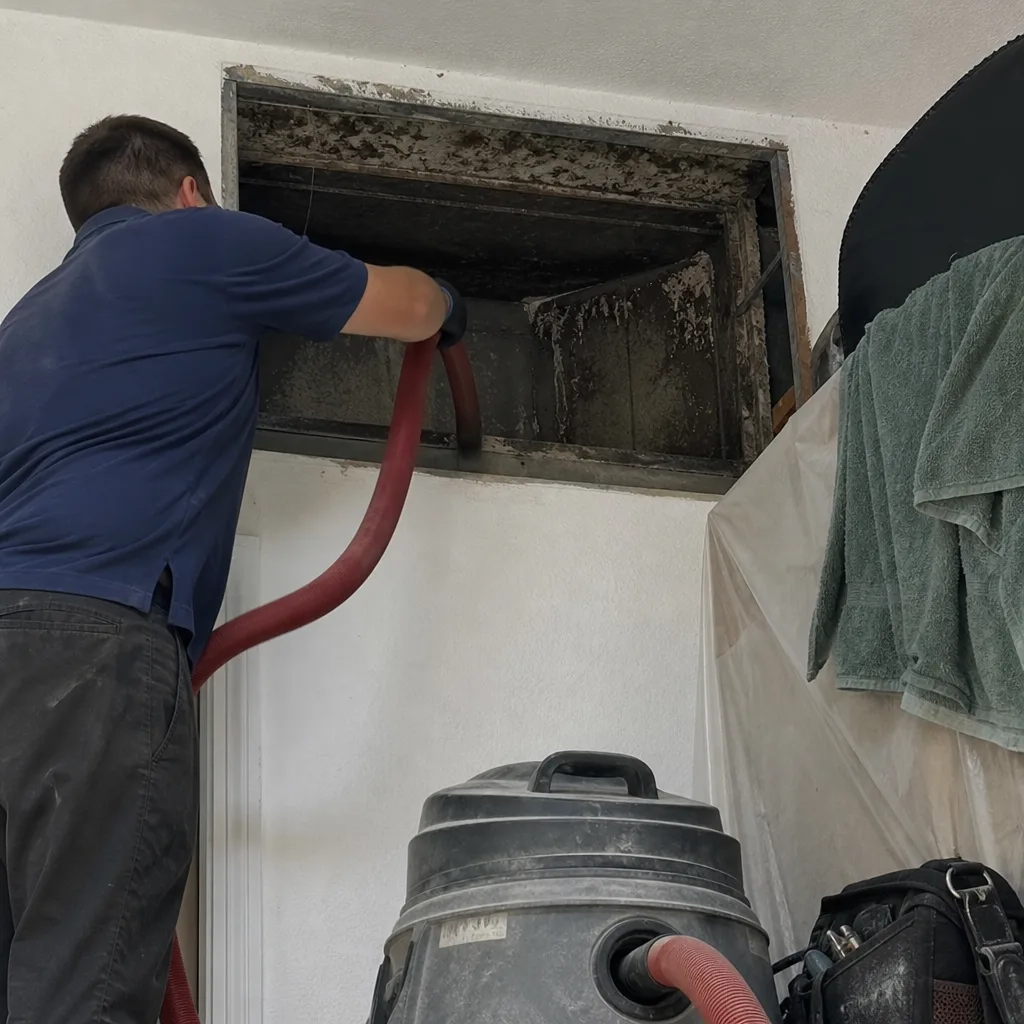 Before
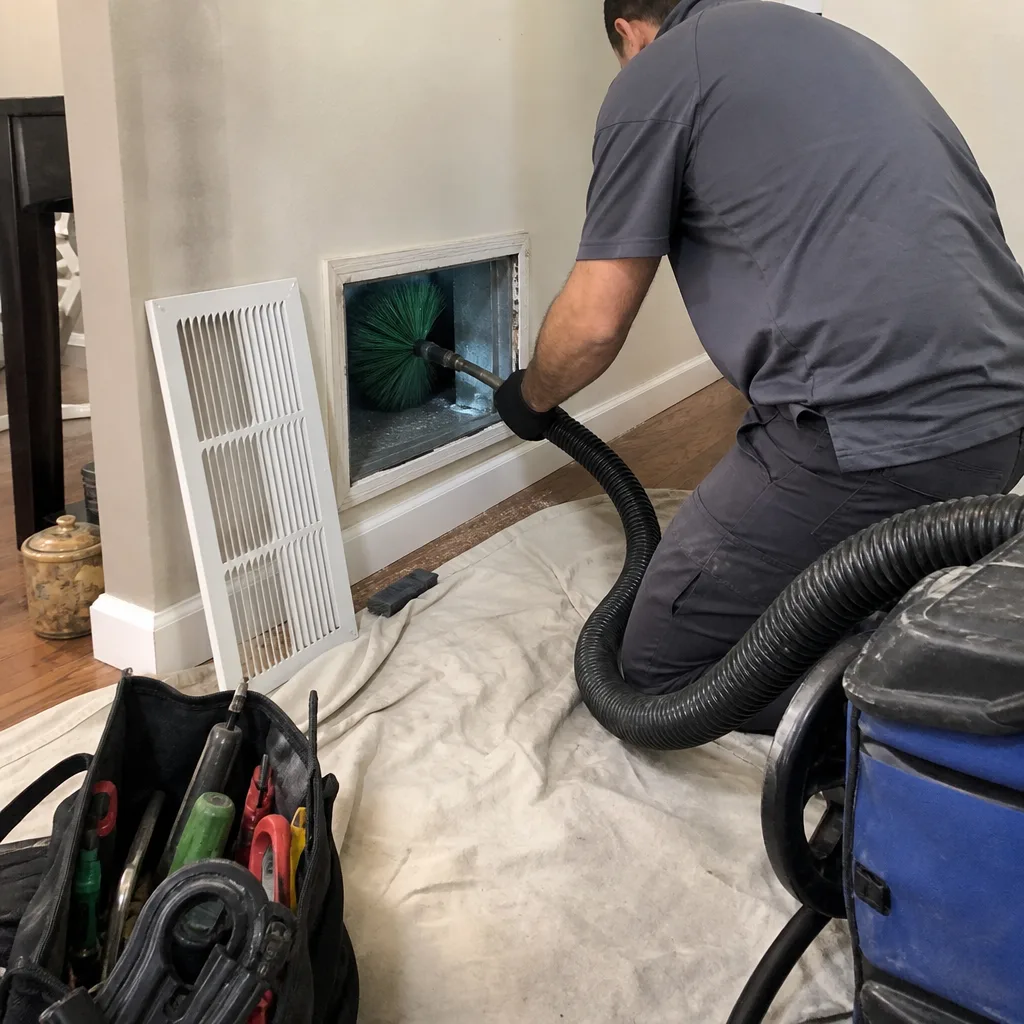 After
After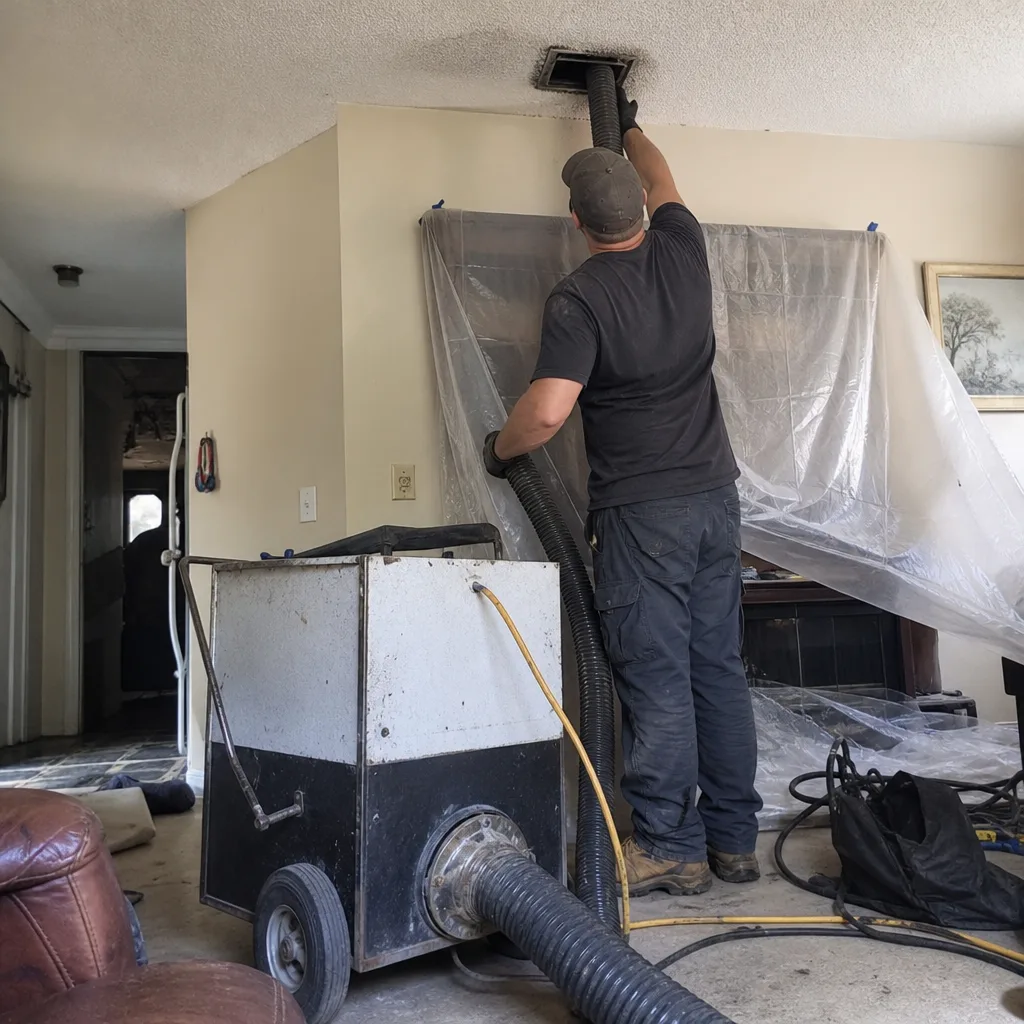 Before
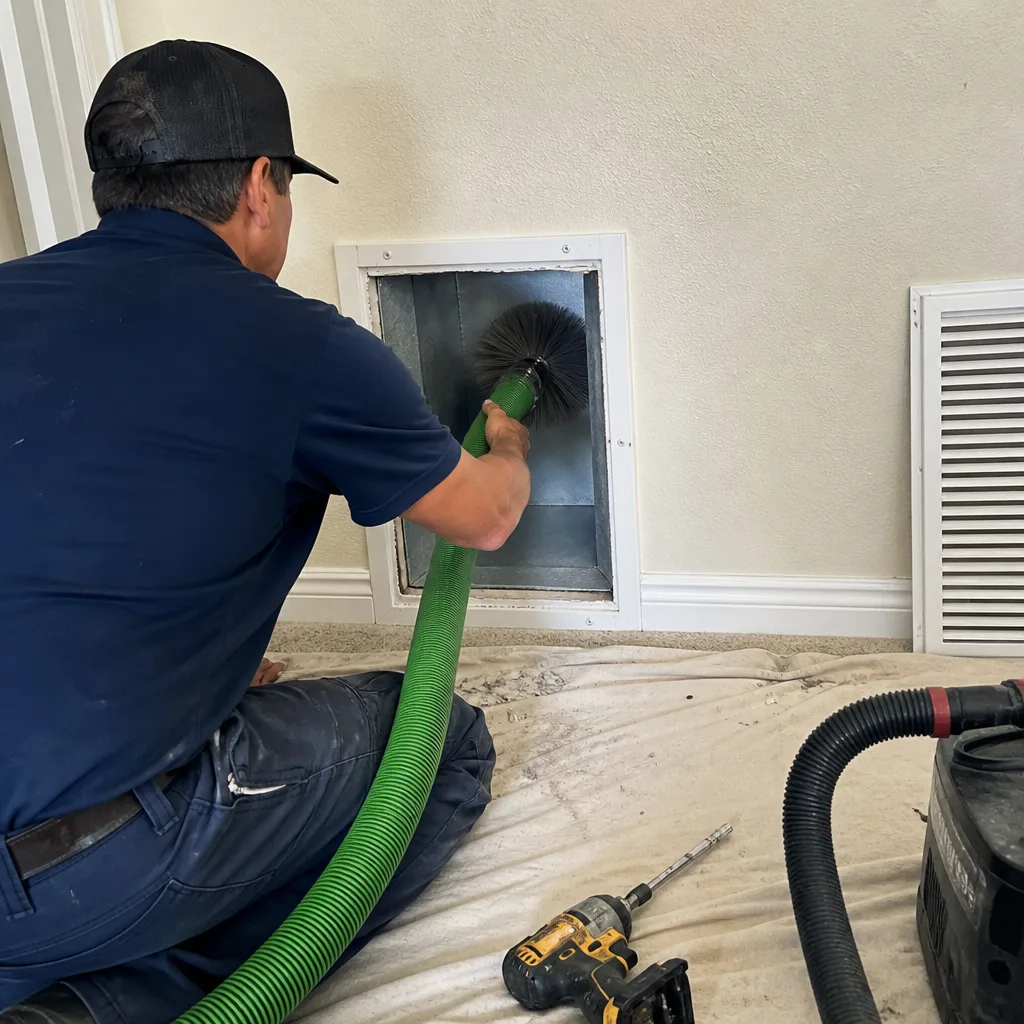 After
AfterReplacement Cost & What’s Included
For Rotobrush vent sanitizing systems in Jacksonville, here’s what we bill. A nozzle, O-ring, or pickup tube replacement usually lands between $140 and $190 parts and labor. A failed trigger valve assembly runs $170 to $230. A full spray wand replacement or pump rebuild is the high end: $230 to $330 installed. We price the part honestly at what we pay wholesale plus a standard margin, and labor is a flat fee per repair, not per hour, so you know the number before we start.
Every one of these repairs gets the same treatment as any air duct repair job we do: a written price before work starts, a written guarantee on the repair, and a free second visit if the replacement part fails within its covered period. We’re not going to hand you a bill that looks nothing like the quote. That’s not how we’ve done business since we started, and it’s not how we’ll do business tomorrow.
DIY or Call Us?
You can safely check a few things yourself: confirm the tank has product, eyeball the pickup tube for cracks, and clear an obviously blocked nozzle tip with the cleaning tool included in most Rotobrush kits. Those three checks take ten minutes and cost nothing.
What you shouldn’t do is open the pump housing or attempt a diaphragm replacement on a unit that’s still under any kind of coverage. The pump contains a spring-loaded check assembly that’s under tension, and the internal tolerances on the diaphragm are tight enough that reseating one wrong means the pump never builds pressure again. On the electrical side, if the pump motor is intermittent, stop using it and unplug the machine. A shorted pump motor on a sanitizer line is a fire hazard, not a nuisance. That’s a trained-technician repair, and it’s the kind of thing we see often enough in Jacksonville’s humidity to know it needs a full inspection, not a splice.
FAQs
In Jacksonville’s climate, where the humidity works on every seal and O-ring year-round, a Rotobrush sanitizing pump that sees regular use typically lasts 3 to 5 years before something in the valve train or diaphragm gives out. A unit that sits unused for months at a time often fails sooner, because the seals dry and crack. If you use your machine weekly, you’ll replace wear parts on a schedule. If it’s seasonal, you’ll replace them when the first job of the season exposes the problem. Call (904) 329-7854 and we’ll tell you what to expect for your specific model and usage pattern.
It depends what failed. O-rings, nozzle tips, pickup tubes, and trigger springs are repair items, and most of them are under $40 in parts. A cracked wand body or a pump with scored internal walls is a replacement, not a rebuild, because patching those never holds up to repeated pressure cycling. We’ll show you the failed part before we order anything new.
Most Rotobrush vent sanitizing part swaps, from a nozzle tip to a full wand, take between 30 and 60 minutes once the correct part is in hand. A pump rebuild runs closer to 90 minutes because of the disassembly, cleaning, and reassembly involved. If we have the part on the truck, the whole thing is done in one visit.
We typically keep the fast-wearing items on the truck: nozzle tips, trigger valve assemblies, pickup tubes, tank seals, and the common O-ring sizes for Rotobrush aiR+ and Patriot models. Less common pieces, like a complete spray wand for an older pre-2015 Rotobrush, usually require a few business days to source. We also stock parts compatible with Lennox, Trane, and Carrier systems, so if your fleet is mixed, one call covers it. Tell us the model number and we’ll check the truck before you leave the driveway. Estimates are always free at (904) 329-7854.
Written by Marcus Veale, Owner, Linden Air Duct Jacksonville at Linden Air Duct Jacksonville, serving Jacksonville and nearby areas.