
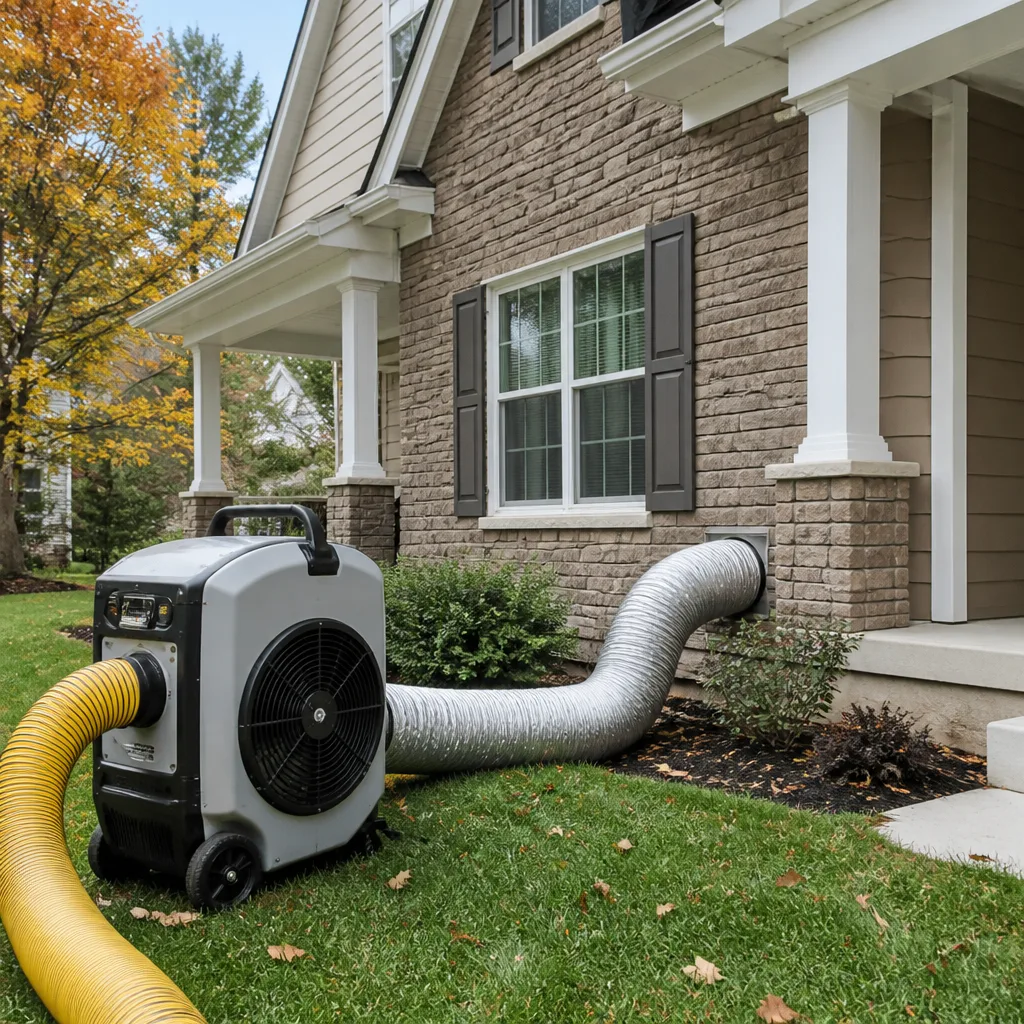
 Whole-home duct cleaning
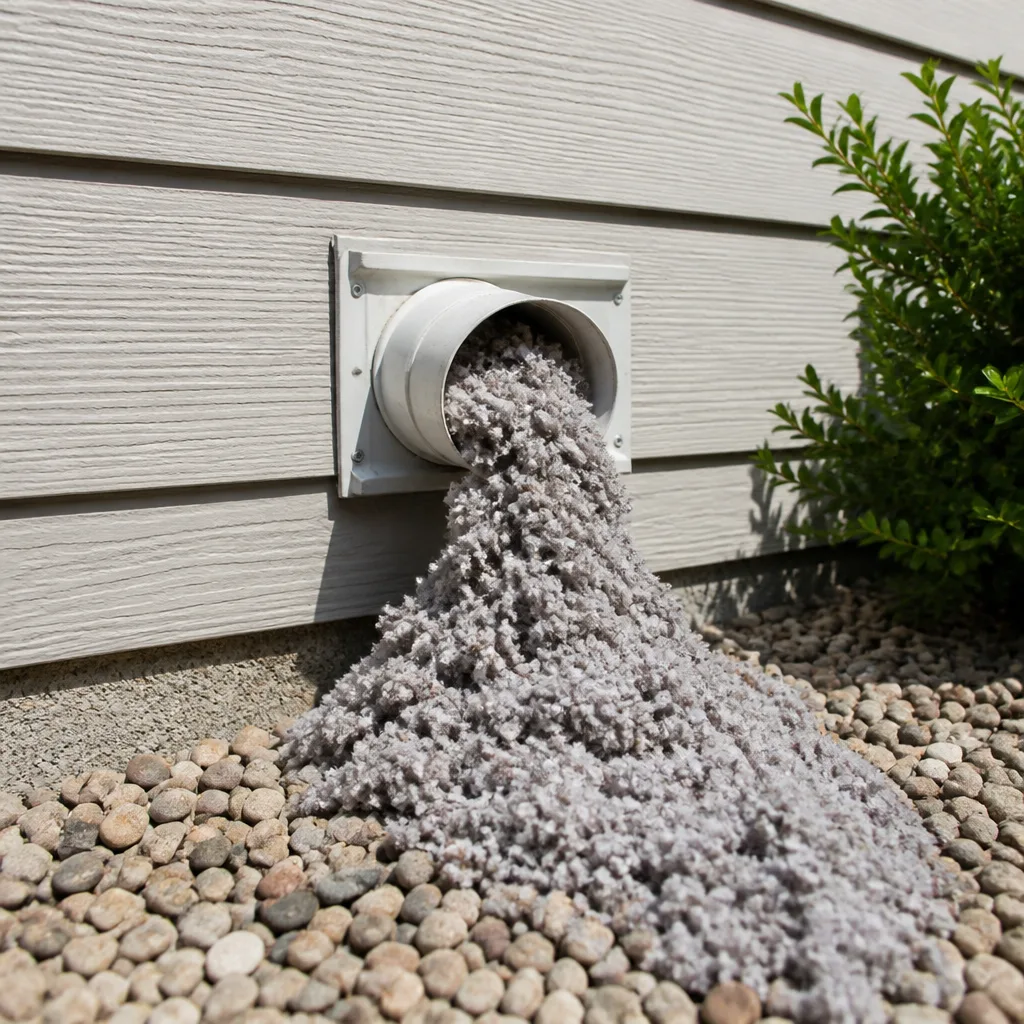 Dryer vent cleaning
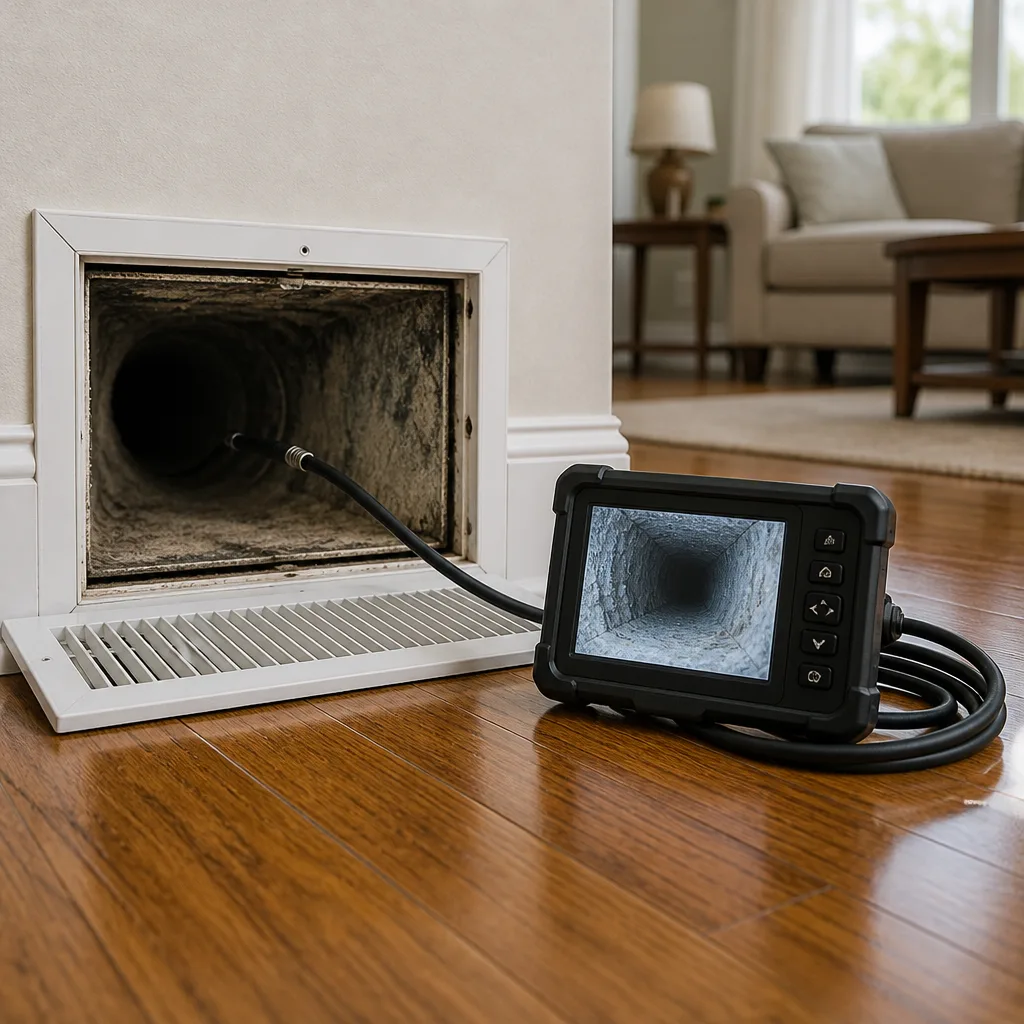 Camera inspection
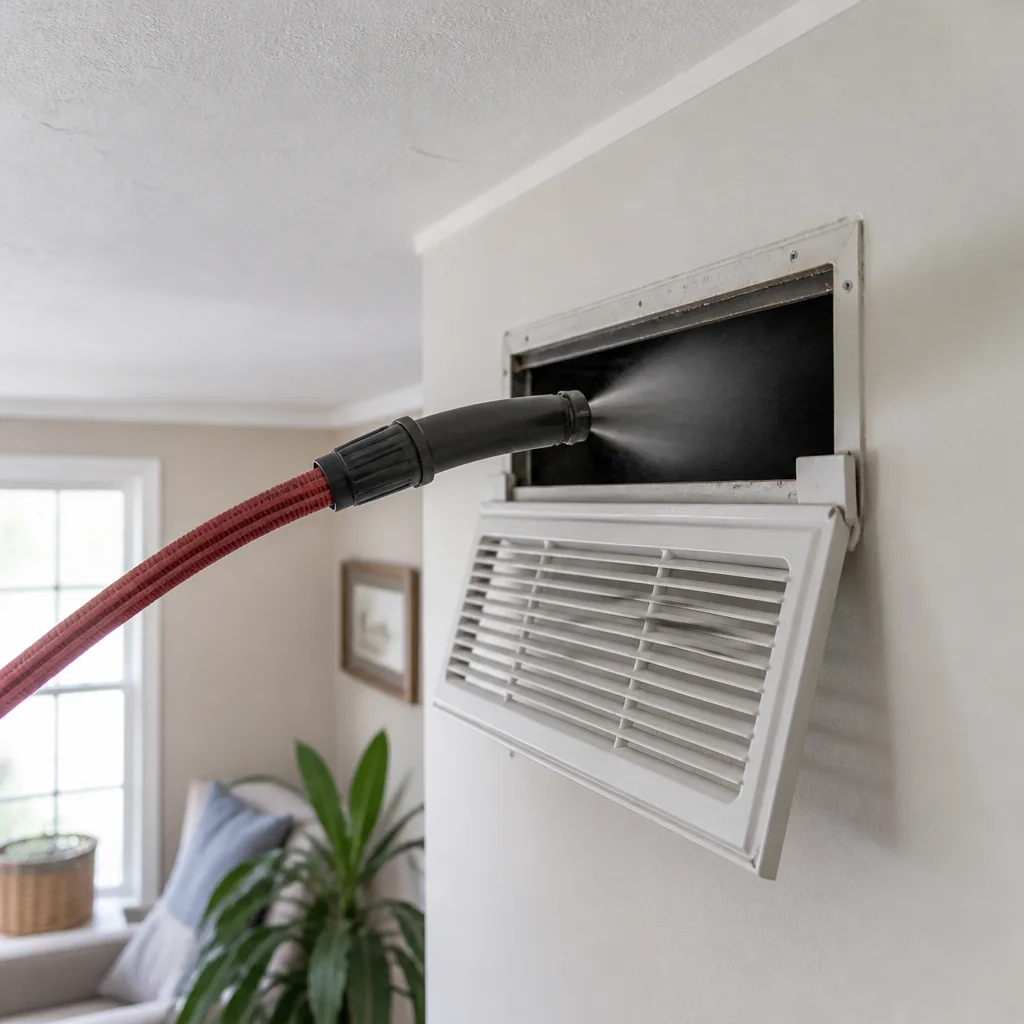 Sanitizing & deodorizing
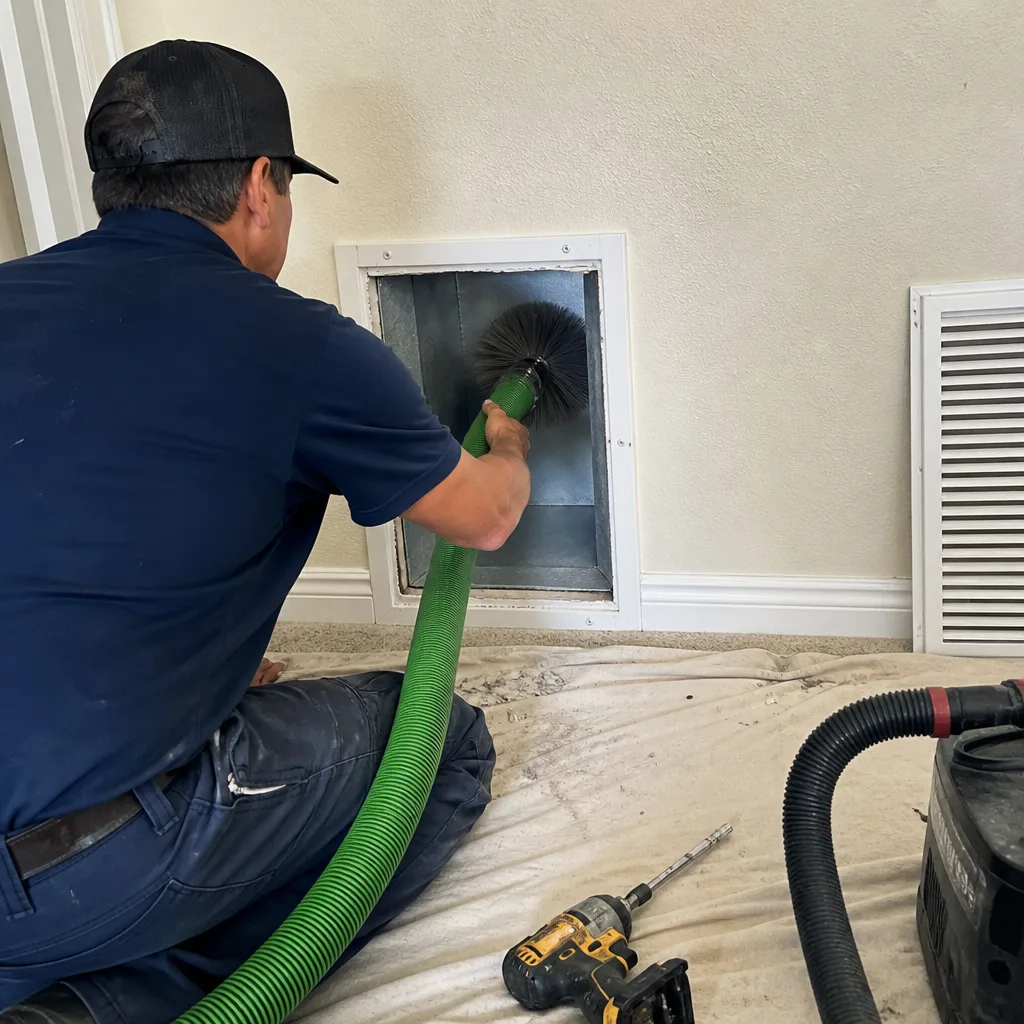
Whole-system duct and dryer vent check with before-and-after photos - you see exactly what came out of your vents
That "$99 whole-house special" is a bait ad - the real number appears once they are in your hallway, or the "clean" is a shop-vac at the register. We photograph the inside of your ducts before and after instead.
Honeywell Duct Sealing & Repair: The Jacksonville Owner’s Guide
We stock and install Honeywell-compatible duct sealing materials and repair parts across Jacksonville, with most repairs running $225 to $475 including materials and labor. The job usually takes two to four hours depending on how much of the duct system needs attention. In most Jacksonville homes we see, the problem shows up as uneven airflow: one bedroom stays hot while the living room feels fine, or a hallway that never quite cools down in August.
Most homeowners discover a Honeywell duct sealing failure by accident. They’re changing a filter or spot a telltale gray streak along a duct seam in the attic, or they notice dust settling faster on furniture after the system runs. By the time we’re called, the system has usually been leaking conditioned air into the attic or crawlspace for months. That’s money leaking, not just air.
Key takeaways:
- We match Honeywell duct sealing materials to specific duct sizing and system pressure, not a one-size-fits-all patch.
- Written price before any work starts, every job, no exceptions.
- Every repair is covered in writing. If it fails within 365 days, we come back free.
- Honeywell is one of the air-quality brands we work with regularly; we also handle Lennox, Trane, and Carrier parts matching.
Which Honeywell Models This Applies To
Honeywell doesn’t manufacture ductwork itself, but their home air-quality line, including the Honeywell TrueZONE systems, Honeywell media air cleaners, and Honeywell whole-home dehumidifiers, connects to ductwork in ways that require specific sealing approaches. The compatibility question that matters is usually about the sealing materials and connection points we use around Honeywell equipment: the duct board connections at the plenum, the flex duct collars at zone dampers, and the seams at filter housings.
Here’s the gotcha most Jacksonville homeowners don’t know: Honeywell TrueZONE panels and dampers use round damper collars that are slightly narrower than the generic flex duct collars sold at big-box stores. A generic collar crimped on can leave a 1/8-inch gap that whistles under pressure and leaks air into the attic. We see this constantly in homes where a previous contractor cut corners. We match the collar to the actual damper diameter and seal with code-rated mastic, not duct tape. Duct tape fails in Florida attic heat within a year or two. It dries, cracks, and peels. We don’t use it.
If you have a Honeywell media cabinet or electronic air cleaner, the sealing points at the cabinet door gasket and the filter access panel are where leaks hide. These gaskets compress over time, especially in humid crawlspaces, and the resulting bypass means unfiltered air enters your system. For these, we use OEM Honeywell gaskets when available; where an OEM part is backordered, we use commercial-grade aftermarket seals of equal spec and tell you which one is going in before we install it.
Styles & brands we work with
Signs Your Honeywell Duct Sealing & Repair Is Failing
- Dust streaks at duct seams and collars. When conditioned air leaks, dust particles stick to the tacky condensation around the leak point. If you see gray or brown streaks radiating from a seam in the attic, that seam is leaking. The underlying cause is almost always failed mastic or dried-out tape, and it gets worse every cooling season.
- One room that never holds temperature. Jacksonville homes with long duct runs, especially in older Mandarin or Arlington neighborhoods, often have a bedroom at the end of the run that stays five or six degrees warmer. That’s a classic pressure-loss signature: the system is losing air through leaky connections before it reaches the register.
- System runs longer but the house feels the same. Leaky ducts mean your air handler is working against itself, pulling attic air in and pushing conditioned air out. Runtime goes up, comfort doesn’t. We’ve measured this with a manometer on dozens of Jacksonville systems, and the drop in static pressure from a handful of failed seals is real and repeatable.
- Higher summer electric bills without a change in thermostat habits. JEA bills in July and August are the tell. If your bill jumped while your cooling settings stayed the same, duct leakage is one of the first things we check. In Florida, attic temperatures regularly exceed 130 degrees, and every leak pulls that heat into the system.
- Whistling or hissing near the air handler when the system runs. Air moves through a Honeywell TrueZONE damper collar under pressure. A small gap turns into a whistle. It’s not a ghost in the attic; it’s a failed seal, and it’s usually an inexpensive fix if caught before the damper itself gets damaged.
See the difference
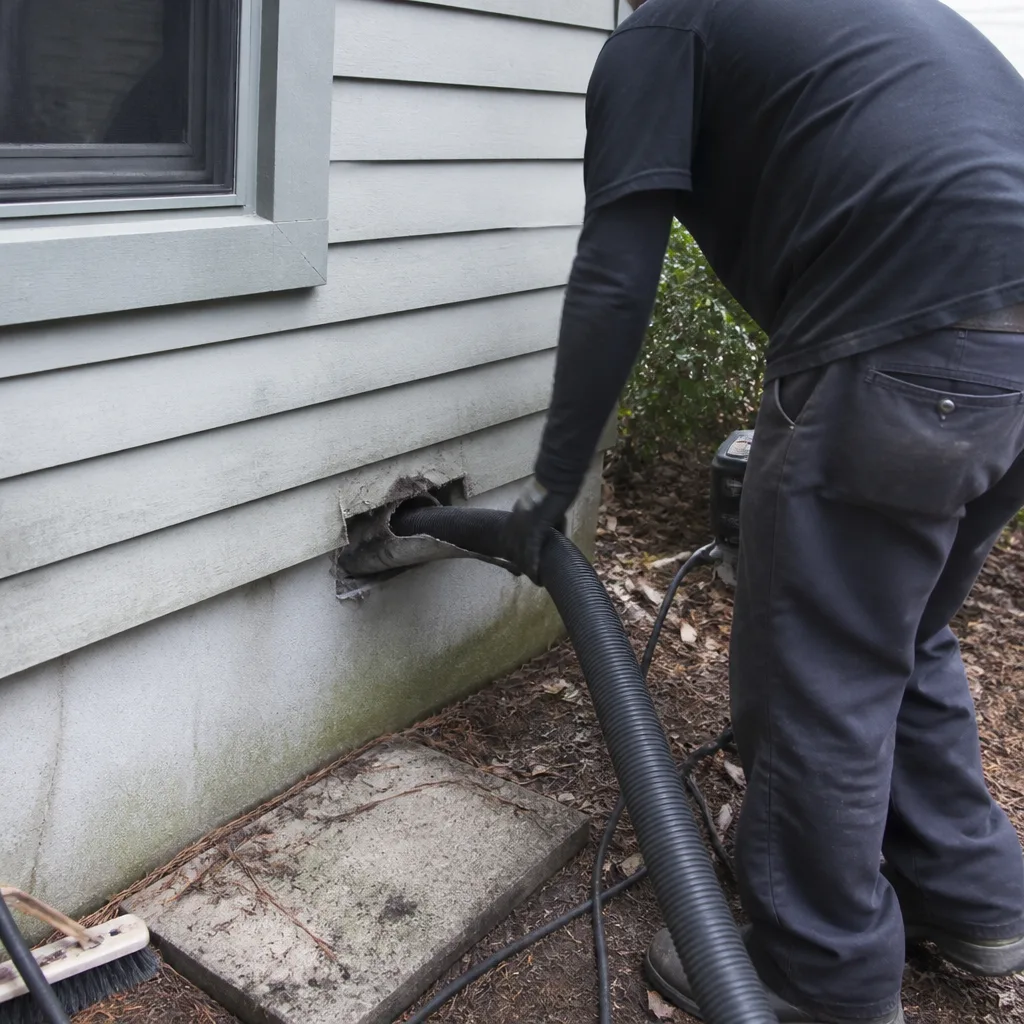 Before
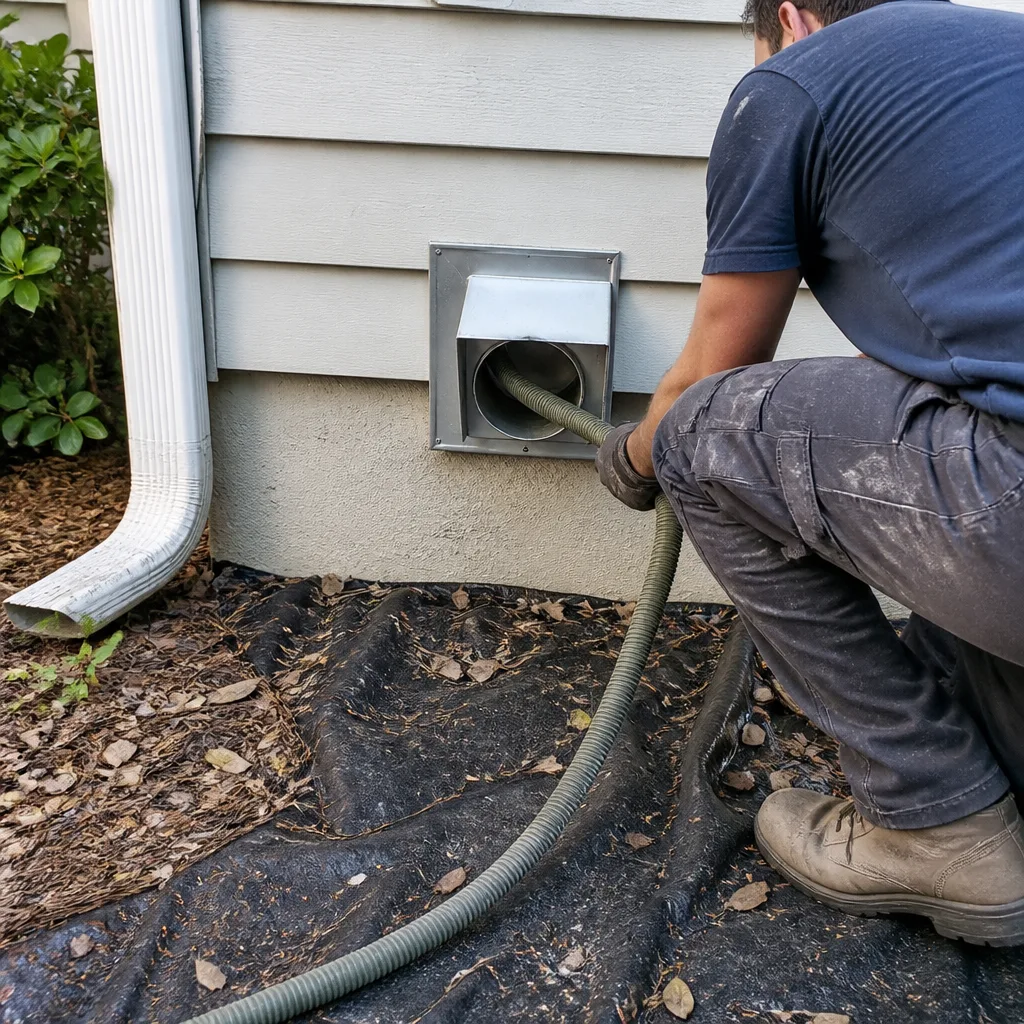 After
After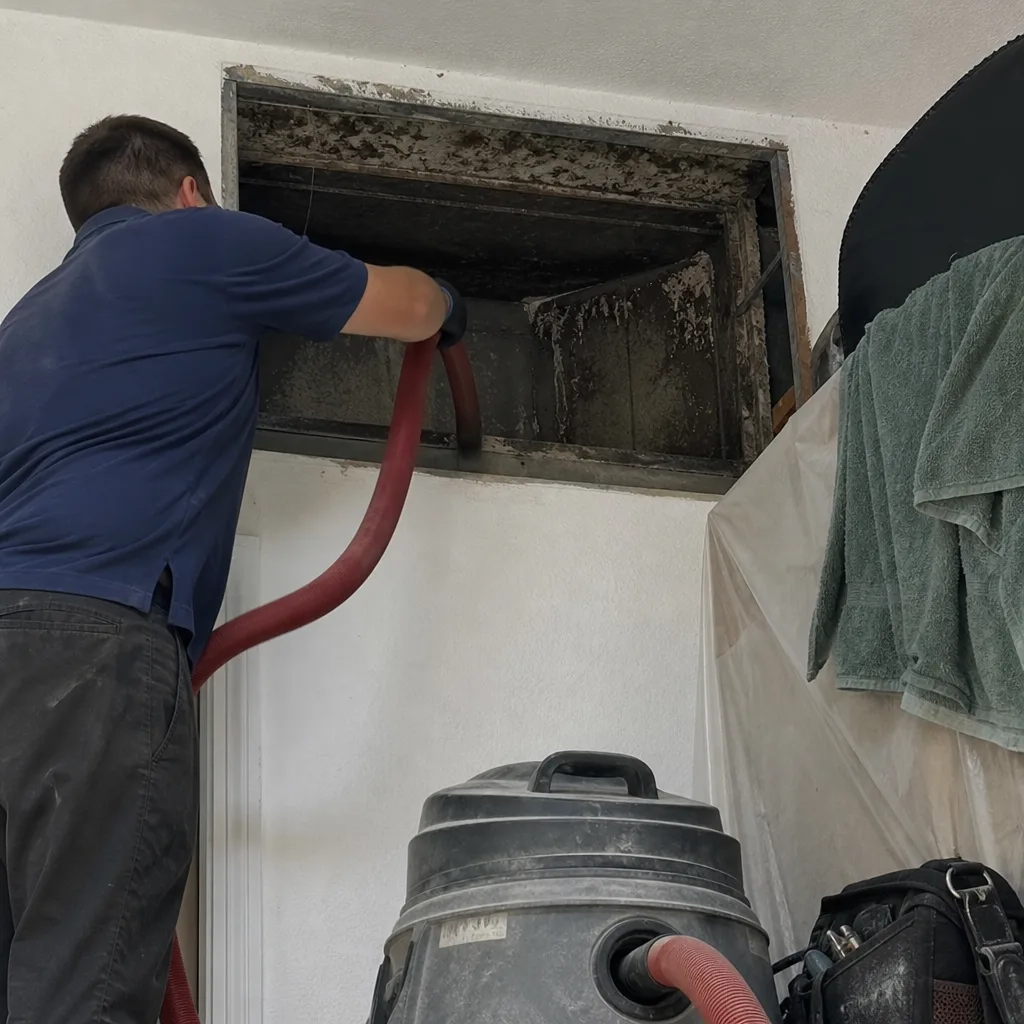 Before
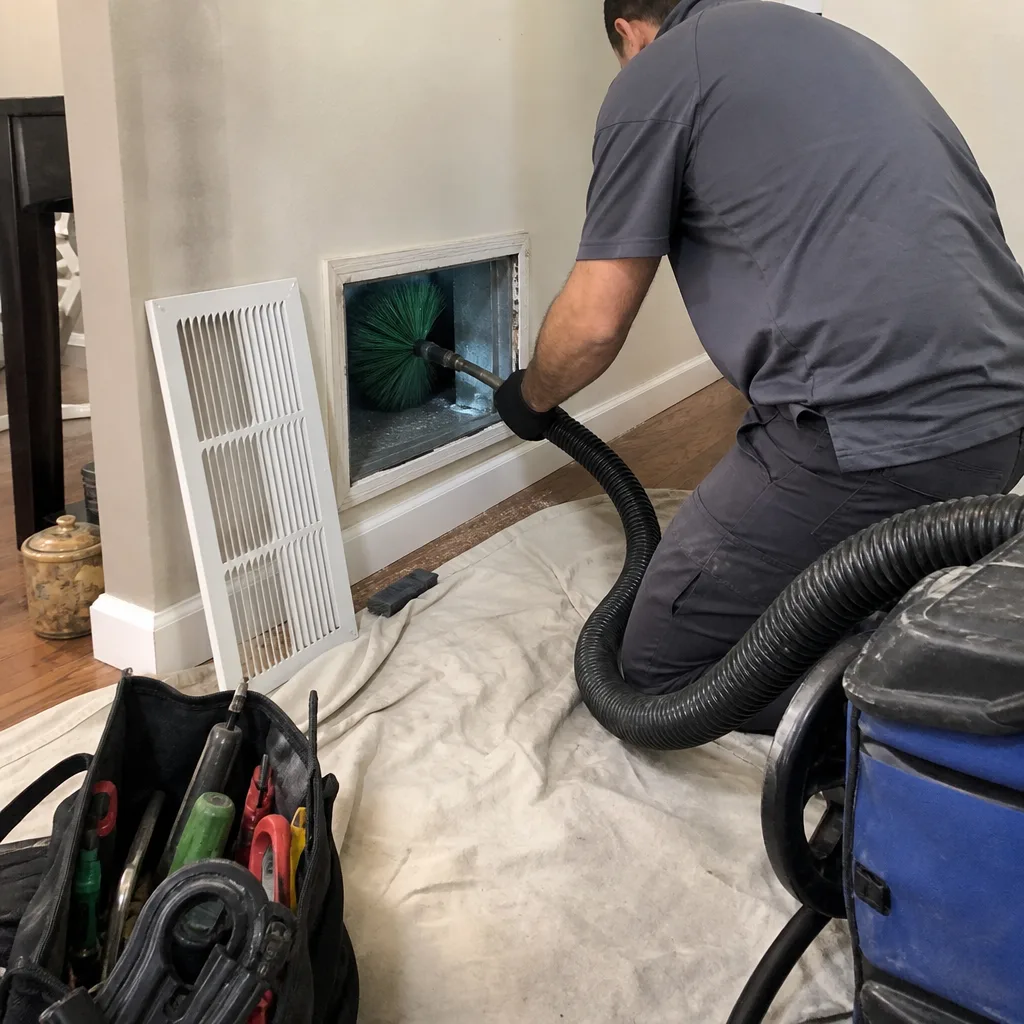 After
After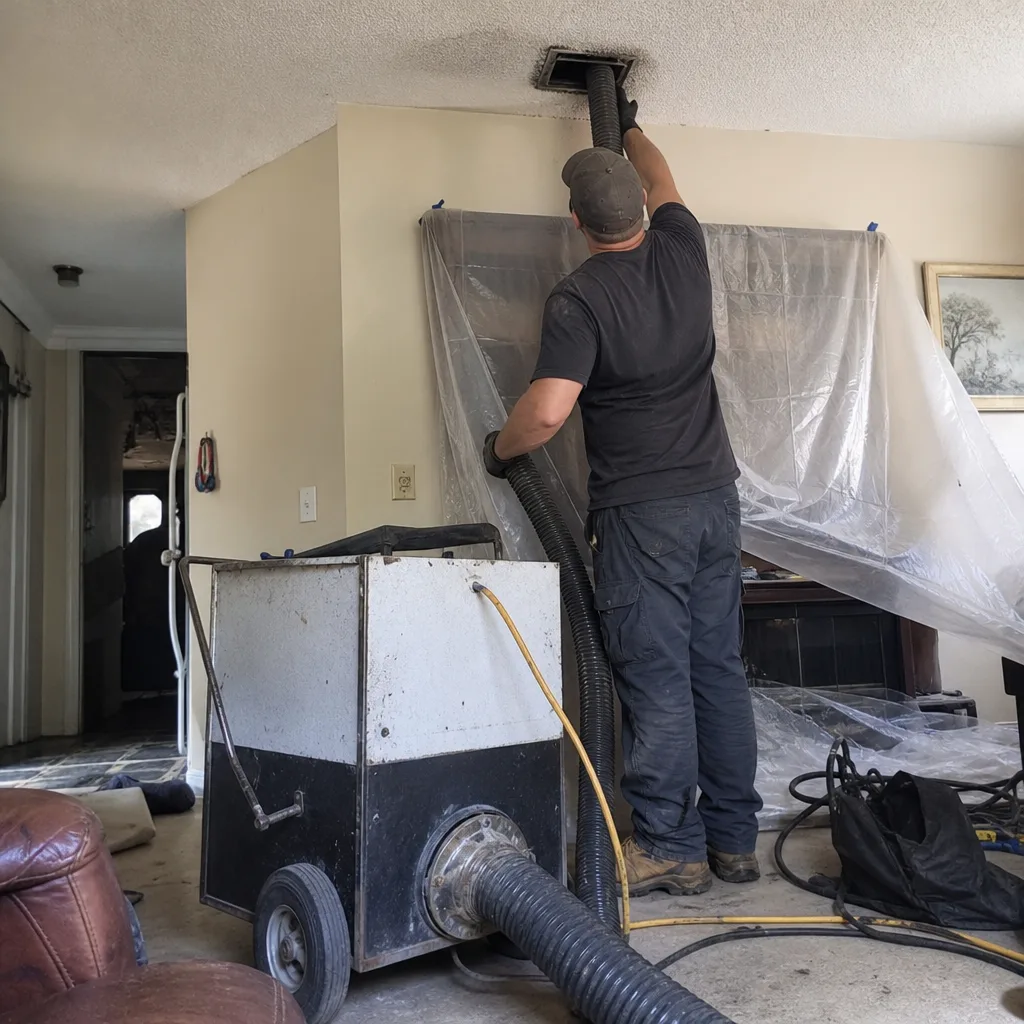 Before
 After
AfterReplacement Cost & What’s Included
In Jacksonville, Honeywell duct sealing and repair work on a single zone or a small section of duct typically runs $225 to $375 installed. A full-system sealing job, which means every accessible seam, collar, and plenum connection in the attic or crawlspace, runs $400 to $475 and up depending on the size of the home and how much of the ductwork is reachable. What drives the range is access: a low-clearance attic or a tight crawlspace takes longer, and we’re honest about that before we start, not after.
Everything is line-itemed. You see the material cost, the labor cost, and the total, in writing, before we touch anything. No per-vent surprise pricing. No “we found more problems while we were up there” upsell. If we find something additional, we show you a photo, explain it in plain terms, and give you a separate written price. You decide. That’s how Marcus Veale has run this crew from the start, and it’s why families out in Mandarin and San Marco call us back.
Every repair carries our 365-Day Done Right Promise: if the seal fails or the repair doesn’t hold within a year, we return and make it right at no charge. That commitment is on paper with every job.
DIY or Call Us?
What you can safely do yourself: look at your ductwork. Go up there with a flashlight on a cool morning and look for the dust streaks we described, or check for gaps at connections you can reach. Take photos. That information helps you have an informed conversation when you call. You can also check your filter and make sure the Honeywell cabinet door is closing flush.
What we don’t recommend doing yourself: climbing through a hot Florida attic with a bucket of mastic and a roll of tape. Attics here run 130 to 150 degrees in the summer. Falls through ceilings are more common than you’d think, and a bad patch job masks the problem without fixing it. There is also a real difference between sealing accessible connections and properly re-sealing a plenum or working around a zone damper motor. If you try to seal around a Honeywell damper and get mastic into the blade track, you’ve turned a $300 repair into a $600 damper replacement.
Tell me what you’re seeing and I’ll tell you if it’s worth fixing. Call (904) 329-7854 and describe the symptoms. We’ll give you an honest read over the phone, and if it makes sense to come out, we’ll quote you in writing before any work begins.
FAQs
Properly applied mastic and quality collars last 10 to 15 years in Jacksonville conditions, which is about as long as the flex duct itself holds up. Cheap tape fails in two years, and that’s exactly what we replace most often. Humidity accelerates adhesive breakdown, and Florida attics are humid year-round.
If the failure is at a seam, collar, or plenum connection, we can almost always re-seal it without replacing the duct. The exception is when the duct itself has degraded, like a torn inner liner or crushed flex, and then you’re looking at a section replacement. We’ll show you the difference with photos before quoting anything.
Most single-zone Honeywell duct sealing repairs take two to three hours. A full-system sealing across an entire attic takes four hours or more depending on access. We’ll give you a window when we schedule, and the tech’s name and photo arrive before the visit. A photo ID badge is shown at the door. Every time.
We keep mastic, collars, tapes, and common Honeywell gaskets stocked on the truck for most Jacksonville service calls. If your system needs an OEM-specific part that’s not standard stock, we’ll tell you the lead time and the exact cost before you commit to anything.
Because some companies use cheap tape that fails in two Jacksonville summers, or they quote low and add charges once the van is in your driveway. Our price is one number, it’s in writing, and it’s the price you pay. Call (904) 329-7854 for a free estimate.
If your Honeywell system isn’t cooling evenly, or you’ve spotted those dust streaks at the seams, call us at (904) 329-7854. We’ll talk through what you’re seeing, give you an honest read on whether it’s worth fixing, and if we come out, you’ll get a written price before any work starts. That’s how we’ve operated since 2004, and it’s how we’ll operate on your job.
Written by Marcus Veale, Owner, Linden Air Duct Jacksonville at Linden Air Duct Jacksonville, serving Jacksonville and nearby areas.