
Last updated October 15, 2026
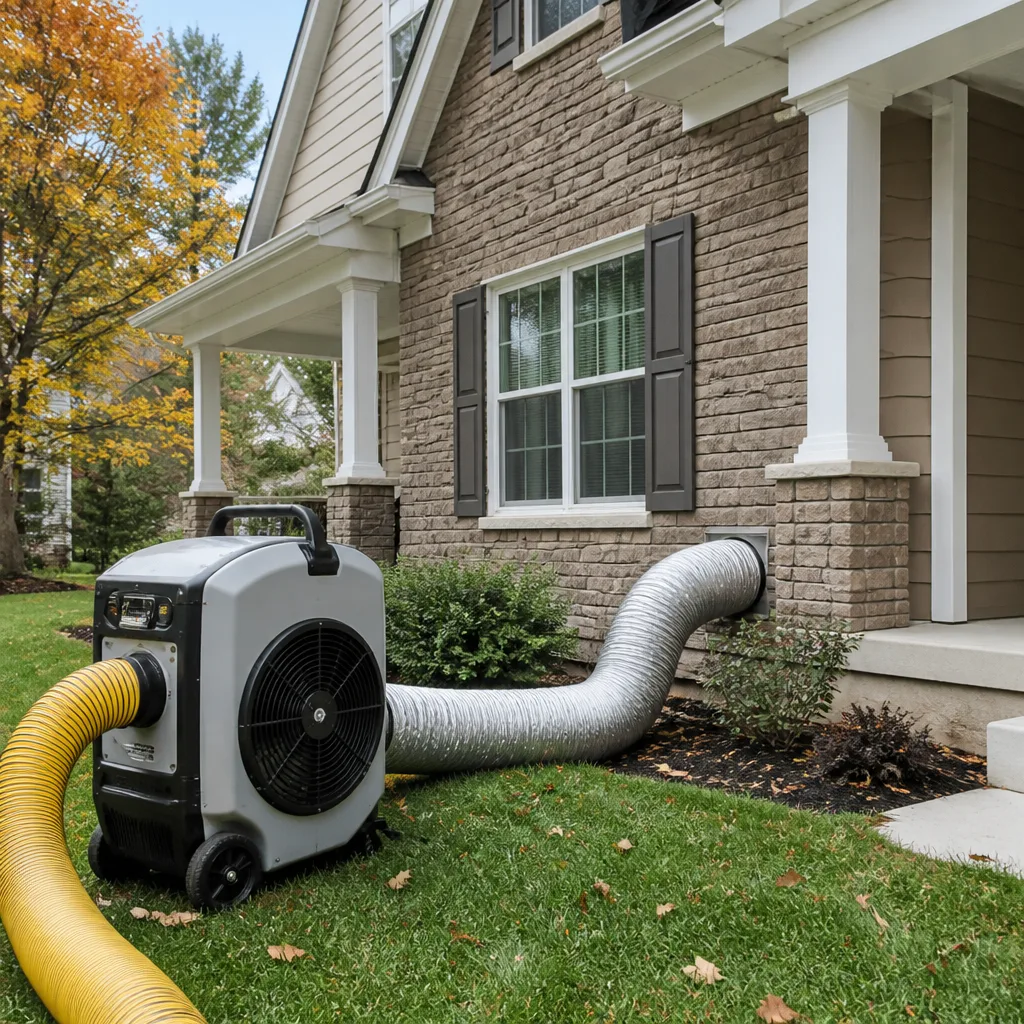 Whole-home duct cleaning
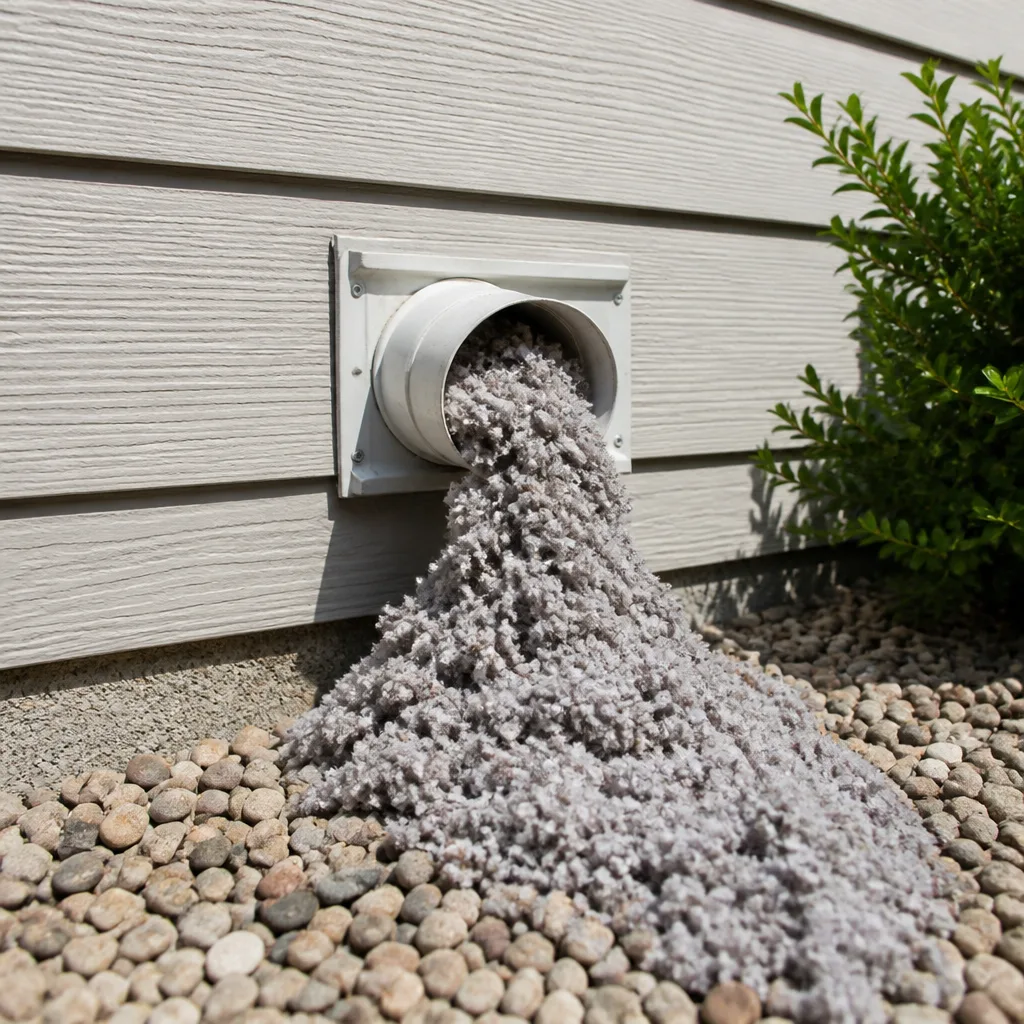 Dryer vent cleaning
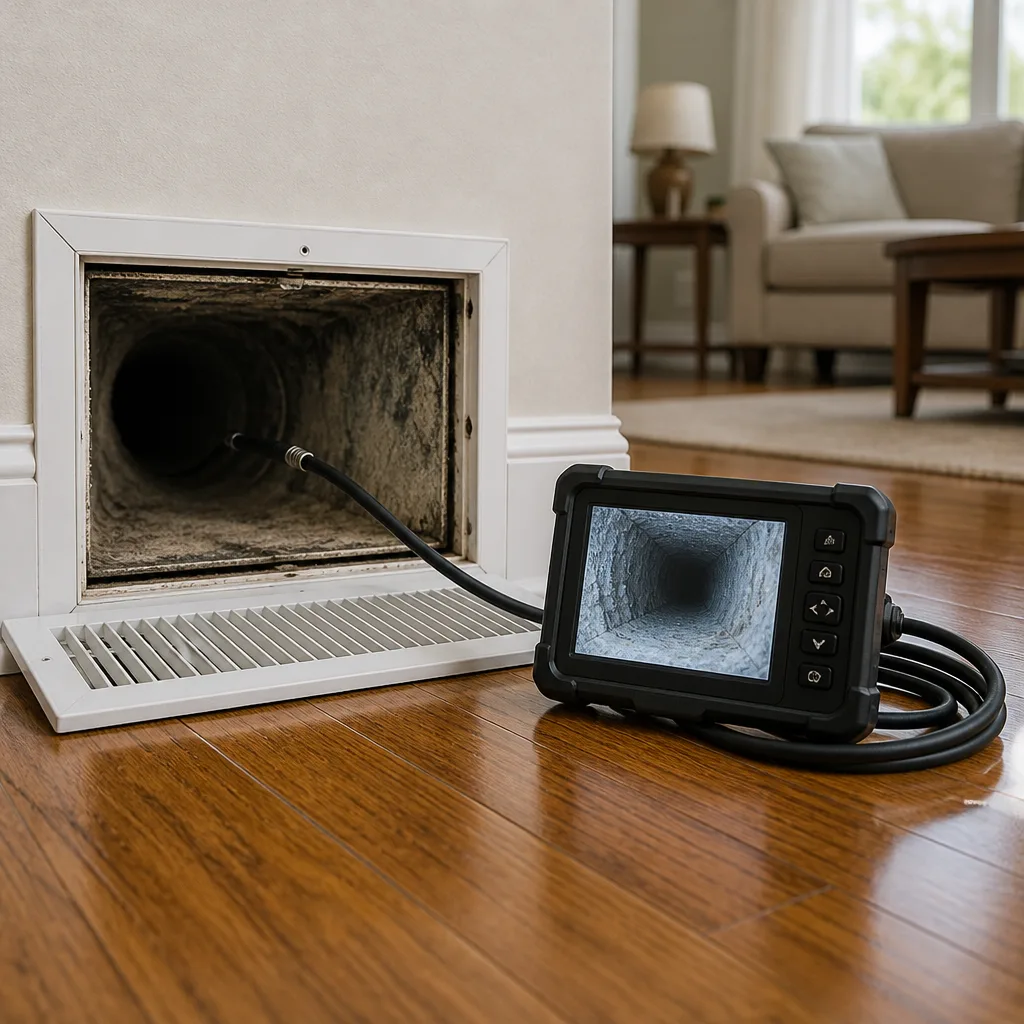 Camera inspection
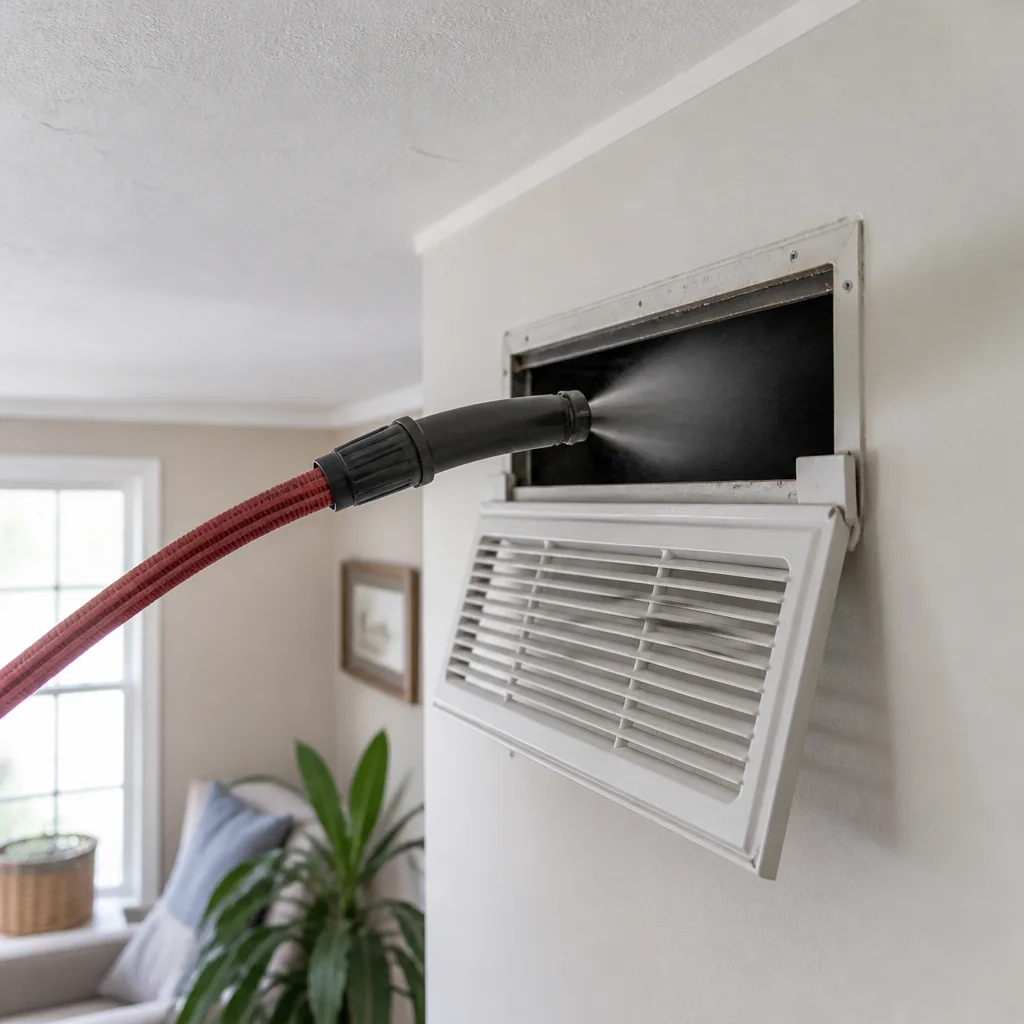 Sanitizing & deodorizing
Whole-system duct and dryer vent check with before-and-after photos - you see exactly what came out of your vents
That "$99 whole-house special" is a bait ad - the real number appears once they are in your hallway, or the "clean" is a shop-vac at the register. We photograph the inside of your ducts before and after instead.
Seasonal Air Duct Cleaning Care for Jacksonville: Year-Round Homeowner’s Guide
Most seasonal home care advice treats the calendar like it applies everywhere equally. It doesn’t. Jacksonville has roughly two real seasons: a long, wet, hot stretch from May through September, and a brief mild winter that still manages to surprise us with a few genuinely cold snaps. The two periods that matter most for your air ducts, though, are the ones nobody writes about: March and October. Those shoulder months are when Jacksonville’s humidity swings hardest, and that’s exactly when condensation forms inside ductwork. This guide is built around what actually happens to ducts in Northeast Florida, month by month, so you can plan ahead instead of reacting to problems after they start.
Quick Answer
In Jacksonville, air ducts need attention four specific times a year, not just when they look dirty. The highest-risk periods are March and October, when humidity swings cause condensation inside ducts and accelerate contamination. A practical plan: inspect and change filters in March as oak and pine pollen peaks, schedule professional air duct cleaning in Jacksonville in October when the AC finally cycles down, check for duct sweating after January cold snaps, and run your thermostat fan on Auto during summer to control moisture. Budget $450 – $800 for a whole-system residential cleaning in the Jacksonville market, with the job taking four to six hours for a typical 2,000-square-foot home.
Styles & brands we work with
Table of Contents
- Why Jacksonville’s Climate Is Harder on Ducts Than Most Guides Admit
- January – February: Cold Snaps, Duct Sweating, and What to Check Afterward
- March – May: The Pollen Protocol for Northeast Florida’s Oak and Pine Season
- June – September: Humidity, AC Runtime, and Duct Liner Degradation
- October – November: The Condensation Window and the Best Time to Clean
- Year-Round: Thermostat Fan Settings That Control Moisture Without Raising Bills
- Signs Your Ducts Need Cleaning Sooner Than Planned
- What Duct Cleaning Costs in Jacksonville: A Straight Answer
Why Jacksonville’s Climate Is Harder on Ducts Than Most Guides Admit
Jacksonville sits in a humid subtropical zone, which is a polite way of saying the air is wet for most of the year. Relative humidity indoors routinely sits between 55% and 70% from late spring through fall, even with a properly sized AC running. That matters because the air moving through your ducts carries that moisture, and when humid air hits a cooler surface inside the duct system, condensation forms. Over time, that condensation settles into duct liner, collects dust and pollen, and creates exactly the kind of damp, dark environment where mold and bacteria can grow in a Jacksonville home’s ventilation.
The other factor is how we run our systems. In colder climates, furnaces dry out the air and ducts stay relatively dry for months. Here, the AC runs heavily from April through October, and during shoulder seasons it cycles on and off instead of running continuously. That cycling is a problem: every time the system shuts off, the cold interior of the ductwork warms up, and the humid Jacksonville air that rushes in condenses on the metal. This happens thousands of times a year in an average home. We’ve seen duct interiors in Riverside and Ortega homes that look wet and grimy in October even when the registers were clean in May. It’s a climate-driven problem, not a housekeeping failure.
January – February: Cold Snaps, Duct Sweating, and What to Check Afterward
Jacksonville winters are short, but January and February reliably bring a few nights in the 30s and occasionally the upper 20s inland. When that cold air hits a duct system that’s been carrying warm, moist air all afternoon, condensation forms on the outside of exposed ductwork, especially in unconditioned attics and crawl spaces. Duct sweating in winter is a bigger deal than it looks because it’s often the first sign that your insulation or vapor barrier was never properly installed to handle a real temperature swing.
Here’s what to check after a cold snap, especially if your home is in an older Jacksonville neighborhood like Murray Hill, Avondale, or San Marco, where homes predate modern efficiency standards:
- Look at exposed ductwork in the attic or crawl space. If you see beads of water or dark water stains on the outside of the ducts, condensation is condensing faster than the insulation can handle.
- Check ceiling grilles and registers. Cold air settling can cause moist air to collect around registers, leaving faint dark rings on the ceiling or the register itself.
- Run a hand along visible duct seams. If the tape has pulled away or the mastic is cracked, cold outside air is getting pulled into the system, mixing with the warm interior air, and condensing inside the duct.
- Note any new musty smell at the vents. Winter condensation doesn’t dry out quickly in Jacksonville because the outside humidity stays high even when it’s cold. That moisture lingers.
If you find active moisture, don’t ignore it. A duct repair in Jacksonville is sometimes the real fix here, not a cleaning. Damaged or unsealed ductwork lets the problem repeat every cold snap, and repeated condensation cycles will eventually soak the insulation and stain the duct liner beyond recovery.
March – May: The Pollen Protocol for Northeast Florida’s Oak and Pine Season
By mid-March, Jacksonville turns yellow. Live oaks, water oaks, and laurel oaks release their pollen in huge, visible clouds, and the pines are not far behind. That pollen doesn’t stay outside. It comes in on shoes, pets, open windows, and the air pulled into your return vents every time the system runs. Once inside the ducts, pollen behaves differently than ordinary household dust: it’s sticky, it’s lightweight, and it coats the inside of ductwork in a fine yellow film that’s difficult to remove with a standard vacuum job.
The March through May protocol for Jacksonville homeowners is about defense at the register level:
- Upgrade your return filters in early March. A MERV 8 pleated filter is the practical baseline; MERV 11 catches more pollen but needs changing every 30 days during peak season. Anything higher, like MERV 13, can restrict airflow in older systems and make the blower work harder than it should.
- Inspect every return grille once a week during the worst weeks. Pollen loads are visible: if the grille is yellow, the filter behind it is already past useful life, even if the calendar says otherwise.
- Keep windows closed from mid-March through mid-April. This runs against the instinct to open up to the first warm days, but it’s the single biggest variable in how much pollen enters the house.
- Vacuum registers and the surrounding floor or wall area with a HEPA vacuum. Pollen settles around the edges of registers and gets pulled back in on the next cycle.
- Mark your calendar for mid-May. After the pollen cycle ends, have a look inside the main return boot with a flashlight. If you see even, pale yellow coating, that’s your signal to schedule a professional cleaning before summer heat arrives.
Northeast Florida’s oak and pine pollen cycle is unusually aggressive compared to most of the Southeast, and it’s the single biggest seasonal source of duct contamination we see in Jacksonville each year. The good news is that sealed ductwork with a clean filter does a surprisingly good job keeping pollen out. The bad news is that any gap, tear, or loose register lets it pour in.
June – September: Humidity, AC Runtime, and Duct Liner Degradation
From June through September, Jacksonville homes run AC nearly around the clock. That presents a different problem than pollen: sustained moisture. Duct liner, the insulation material glued inside many sheet metal ducts, is fibrous and porous. When it stays consistently damp, it starts to break down at the surface. That breakdown releases fine particles into the air stream, and it also gives mold and mildew a food source.
What duct liner degradation actually looks like in a Jacksonville summer:
- Black or gray speckling visible at the edges of a supply register, especially in bathrooms and laundry rooms where humidity is highest.
- A sour or earthy smell from the vents that gets worse after the system has been off for a few hours.
- Tiny white or gray flakes that collect on furniture near vents, particularly in bedrooms.
- An unexplained dust film that reappears within a day or two of wiping surfaces down, even with windows closed.
None of these symptoms mean the liner itself must be replaced. Many times a full cleaning with negative-pressure extraction removes the surface growth and restores the liner. But delaying it through another humid summer usually makes the problem worse and can cross over into replacement territory. In older Jacksonville homes, especially those built before the 1990s, liner was often installed as the default material. Homes along the St. Johns River corridor, from Mandarin to Avondale, tend to have higher interior humidity anyway, so we watch liner condition closely in those areas. A Honeywell or Aprilaire whole-home dehumidifier can meaningfully reduce the load, but it doesn’t reverse existing contamination. The duct material still has to be cleaned first.
October – November: The Condensation Window and the Best Time to Clean
Here’s the argument for making October your duct cleaning month in Jacksonville: the AC is still running, but not constantly. Outdoor humidity is dropping, but interior air is still carrying a summer’s worth of moisture. As the system cycles on and off more frequently, the temperature inside the ducts swings, and condensation forms on the liner and the interior walls of the ductwork. It’s the same sweating effect we see in January, but warmer, which means biological growth has an easier time. The result: October is typically the month when duct contamination peaks in Jacksonville, even though nobody thinks about their ducts in October.
That’s exactly why it’s the best month to schedule professional cleaning. A clean duct system going into the brief winter is a duct system that stays clean longer. You’re not fighting the worst of the pollen, and you’re past the worst of the humidity, so the cleaning lasts. From a scheduling standpoint, October and November also tend to be less competitive than the March rush, which means you’ll have more flexibility on timing and typically better availability.
One more thing worth knowing: Thanksgiving is the busiest cooking week of the year, and Jacksonville homes produce a lot of kitchen airflow. Grease-laden air from extended cooking gets pulled into the return path and coats the inside of nearby ducts. Cleaning before the holiday cooking season starts is genuinely easier than cleaning after it.
Year-Round: Thermostat Fan Settings That Control Moisture Without Raising Bills
The fan setting on your Jacksonville thermostat does more than move air around. Set to On, the blower runs continuously and circulates air through the ducts even when the AC isn’t cooling. That sounds good for filtration, but in a humid climate it actually creates a problem: when the AC cycles off, the coil is still wet, and air blowing over that wet coil picks up moisture and pushes it through the duct system. Over hours, this re-humidifies the ducts and the house. In Jacksonville’s summer, that’s a meaningful amount of water.
Set the fan to Auto. The blower runs only when the system is heating or cooling, which lets the coil drain between cycles and keeps the ducts from absorbing that re-evaporated moisture. It doesn’t cost anything to switch, and it typically improves both indoor humidity and duct dryness within a few days. There is one exception: if you have a whole-home dehumidifier from Aprilaire or Honeywell wired into the system, running the fan on a low continuous speed can be fine, because the dehumidifier strips moisture from the air stream before it moves through the ducts. But without that equipment, Auto is the right setting for Jacksonville’s climate.
Signs Your Ducts Need Cleaning Sooner Than Planned
Seasonal planning works best when your ducts are in reasonable shape to begin with. Here are the indicators that tell us a Jacksonville home has moved past routine maintenance and into “schedule it now” territory:
- Visible mold growth inside the duct, on the liner, or on the register itself. This is not a wait-and-see situation.
- Dust accumulating on registers within days of cleaning them, in rooms that get normal use.
- A persistent damp or musty odor from the vents that doesn’t resolve with a filter change.
- Reduced airflow from one or more rooms, especially rooms farthest from the air handler.
- Evidence of pests in the ductwork: droppings, nesting material, or scratching sounds from inside the vents. Ducts in older Jacksonville homes with crawl spaces are especially vulnerable.
- Renovation dust from drywall work, flooring, or painting that pulled fine particles into the returns during construction.
If you’re seeing multiple signs at once, that’s not a filter problem. It’s a system problem, and a professional inspection will tell you quickly whether cleaning, repair, or both are the right fix. The inspection itself should be free, and in our experience, a homeowner who can describe these symptoms precisely gets a faster and more accurate diagnosis.
What Duct Cleaning Costs in Jacksonville: A Straight Answer
Here are the numbers we think Jacksonville homeowners should expect for a whole-system air duct cleaning, based on what we see across the city from Arlington to the Westside and the Beaches:
| Home Size | Typical Range | What It Includes |
|---|---|---|
| Under 1,500 sq ft | $400 – $550 | Full system negative-pressure cleaning, all supply and return ducts, registers, and a basic system inspection |
| 1,500 – 2,500 sq ft | $550 – $800 | Full system cleaning, two or more return drops, longer runtime on the air handler |
| Over 2,500 sq ft or two systems | $750 – $1,100+ | Full cleaning of both systems, all zones, typically a full-day job |
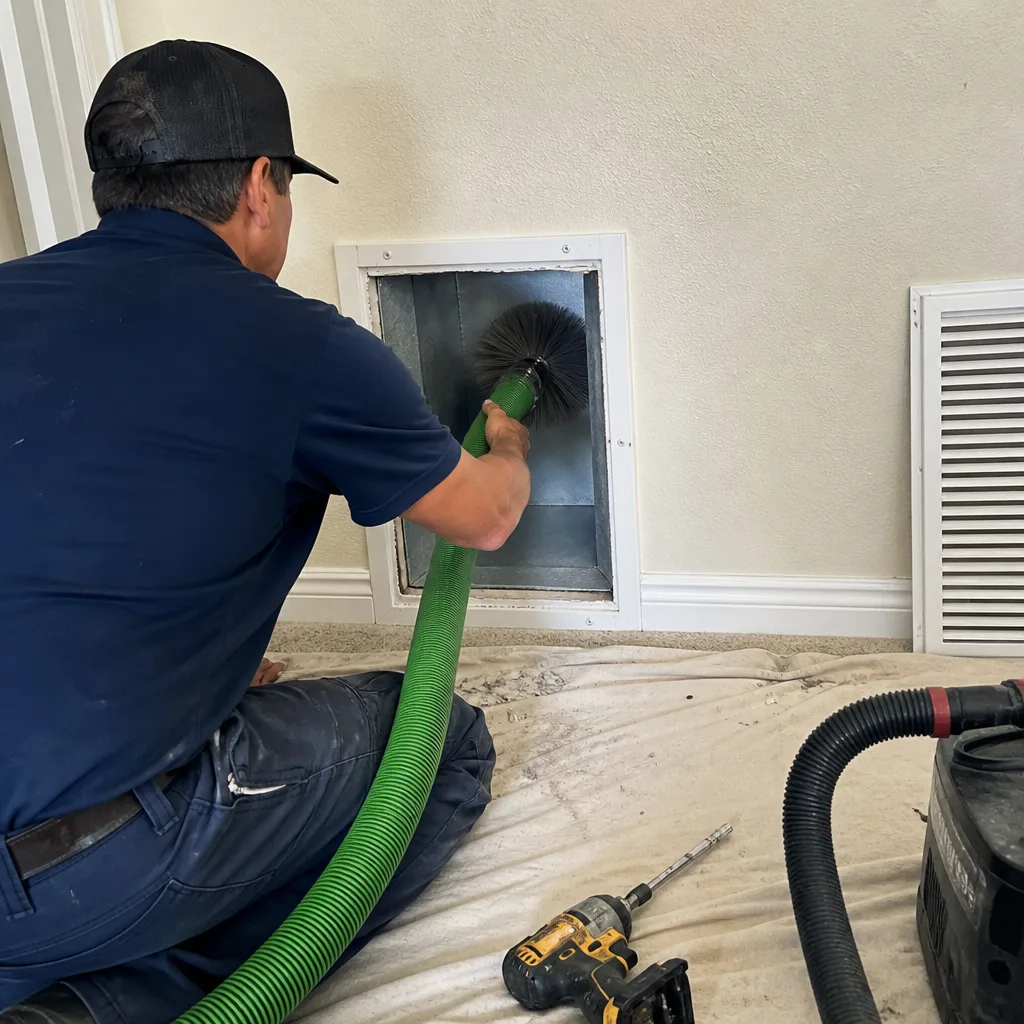
Those numbers are for a legitimate negative-pressure cleaning using equipment from brands like Rotobrush or Nikro, not a brush-on-a-drill job. If a quote comes in dramatically lower, ask what equipment they use and whether the price covers the full system or just the returns. A lot of Jacksonville homeowners have been burned by a $99 “whole house special” that turns into a much larger invoice once the technician is on site. The simplest protection is to insist on a written price before any work begins. Every job we do includes that, and if a company won’t put the number in writing, walk away.
Common Mistakes to Avoid
- Changing filters on a generic schedule. Jacksonville’s pollen cycle means a filter that’s fine in December is clogged by mid-March. Check monthly during pollen season, not quarterly.
- Running the fan on On during summer. As discussed, this re-humidifies your ducts. Set it to Auto unless you have a whole-home dehumidifier.
- Cleaning ducts without checking for leaks first. If the ductwork has gaps, cleaning solves the problem for a few weeks until outside air and contamination get pulled back in. Seal first, then clean.
- Assuming a clean-looking register means clean ducts. The register is the last place contamination shows up. The inside of the duct is where pollen, dust, and moisture accumulate first.
- Ignoring musty smells in winter. Jacksonville’s winter humidity doesn’t dry things out the way a northern winter does. A musty smell in January is not going to vanish in April; it’ll get worse.
- Choosing a cleaner based on price alone. Duct cleaning is a job where the equipment, the process, and the verification matter. A low price with no written scope of work is how bait-and-switch quotes happen in this industry.
- Skipping the post-cleaning inspection. You should be shown before-and-after photos of your own ducts, not a stock photo. If the company can’t show you what the inside of your ducts looked like before and after, you have no way to know the work was done.
See the difference
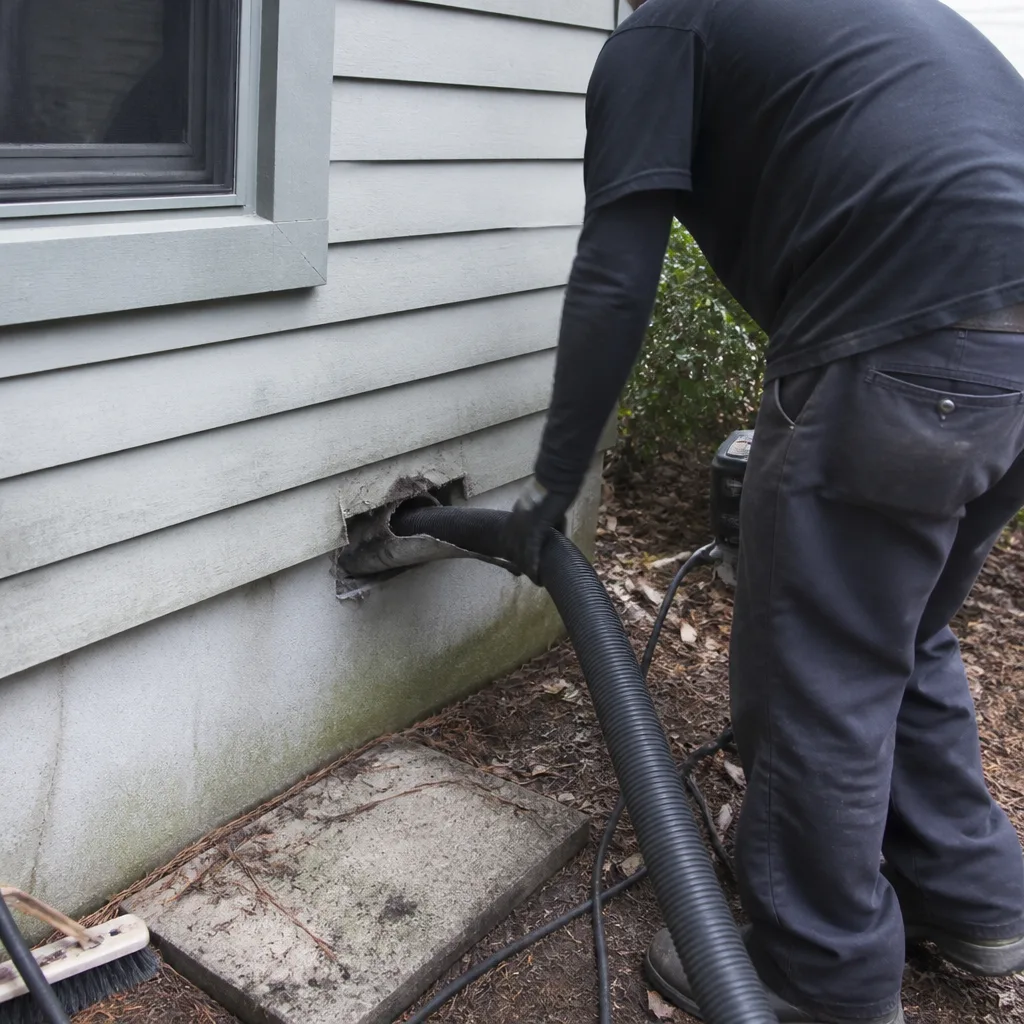 Before
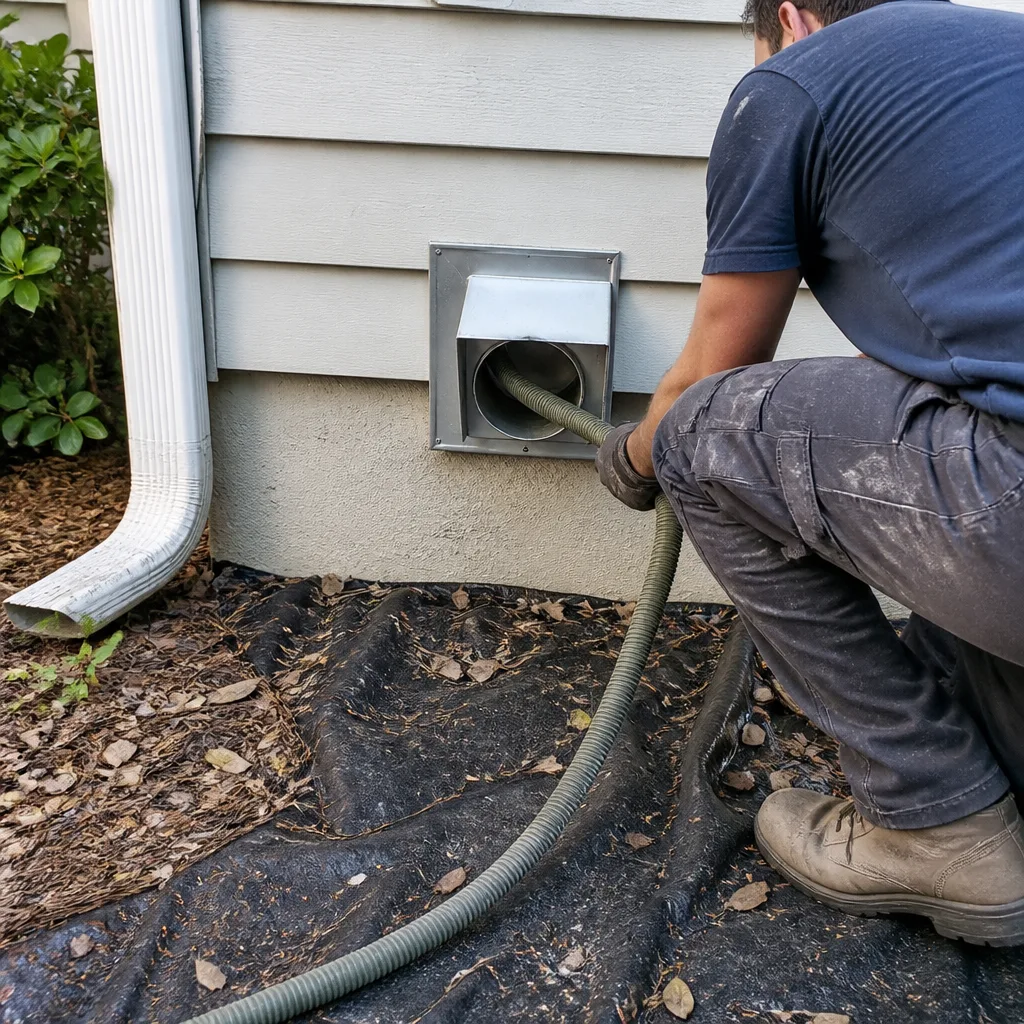 After
After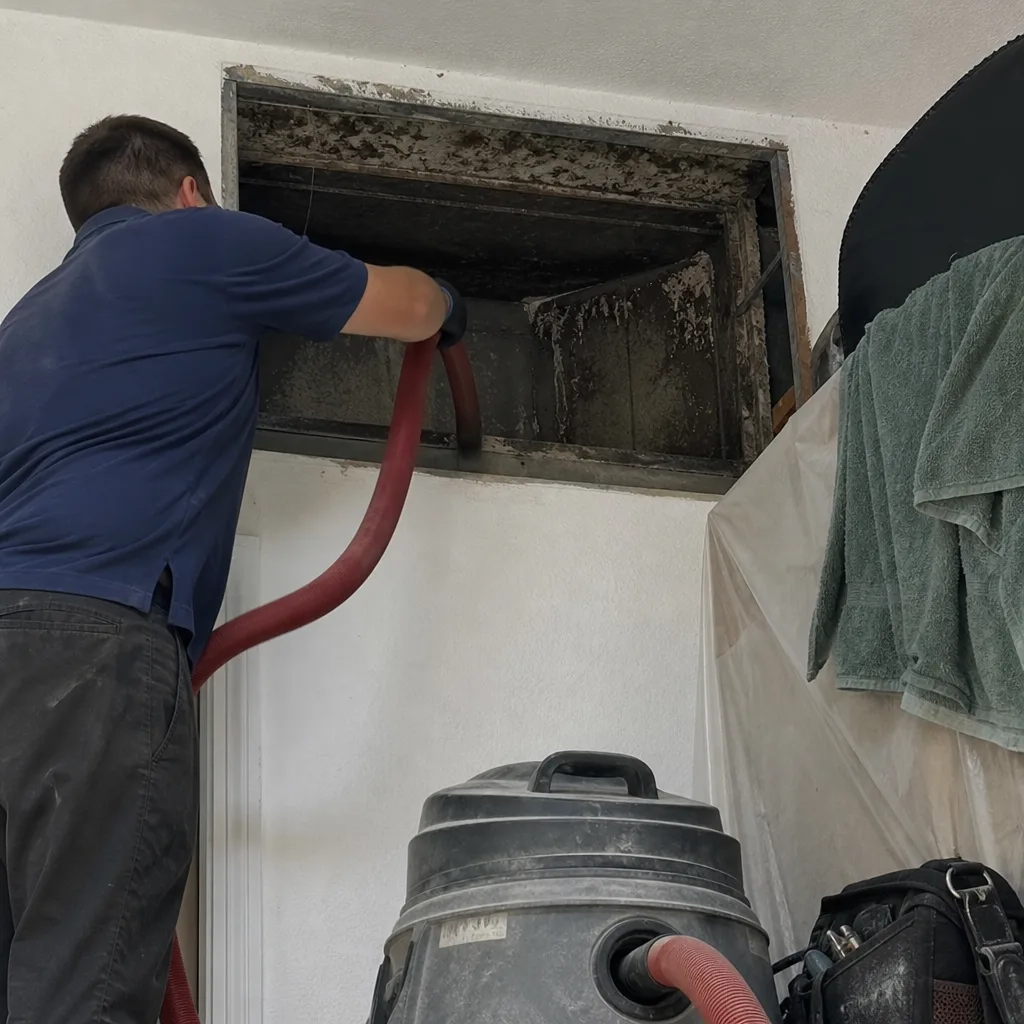 Before
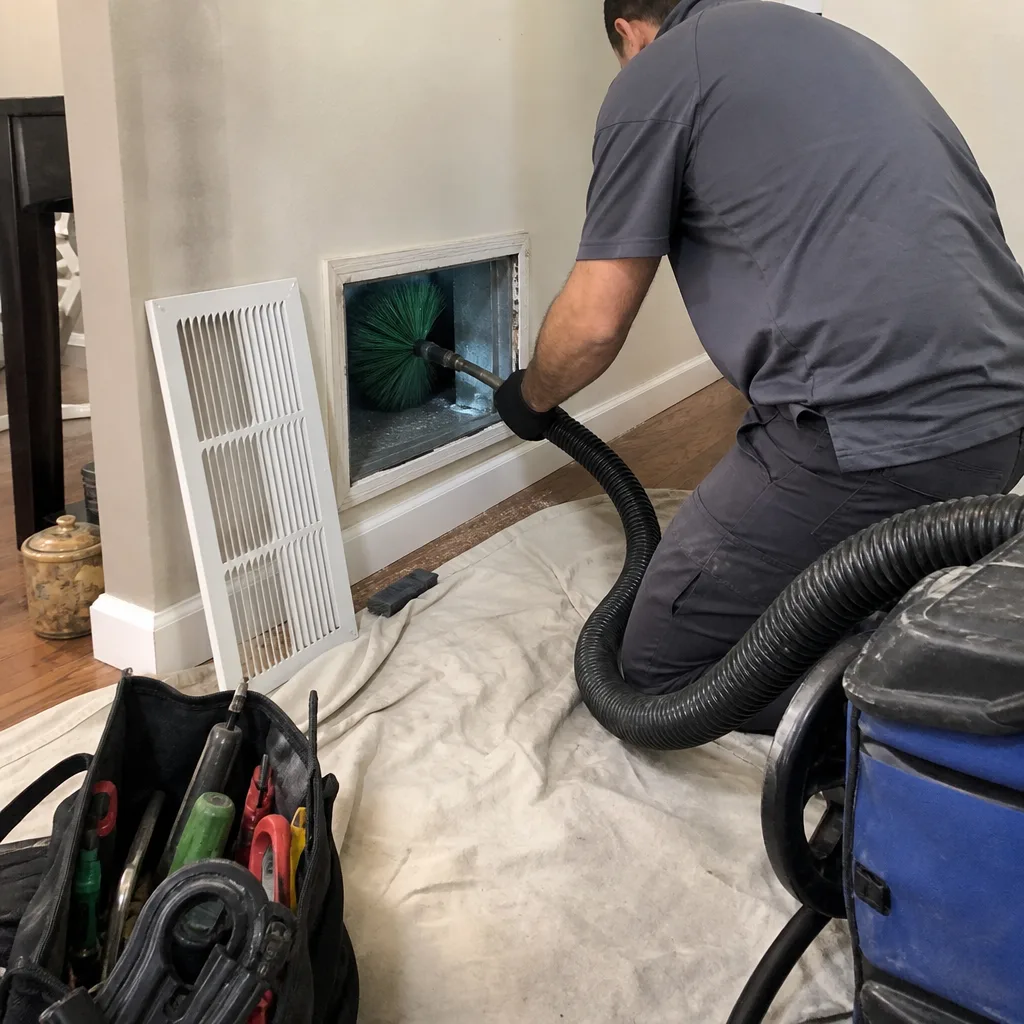 After
After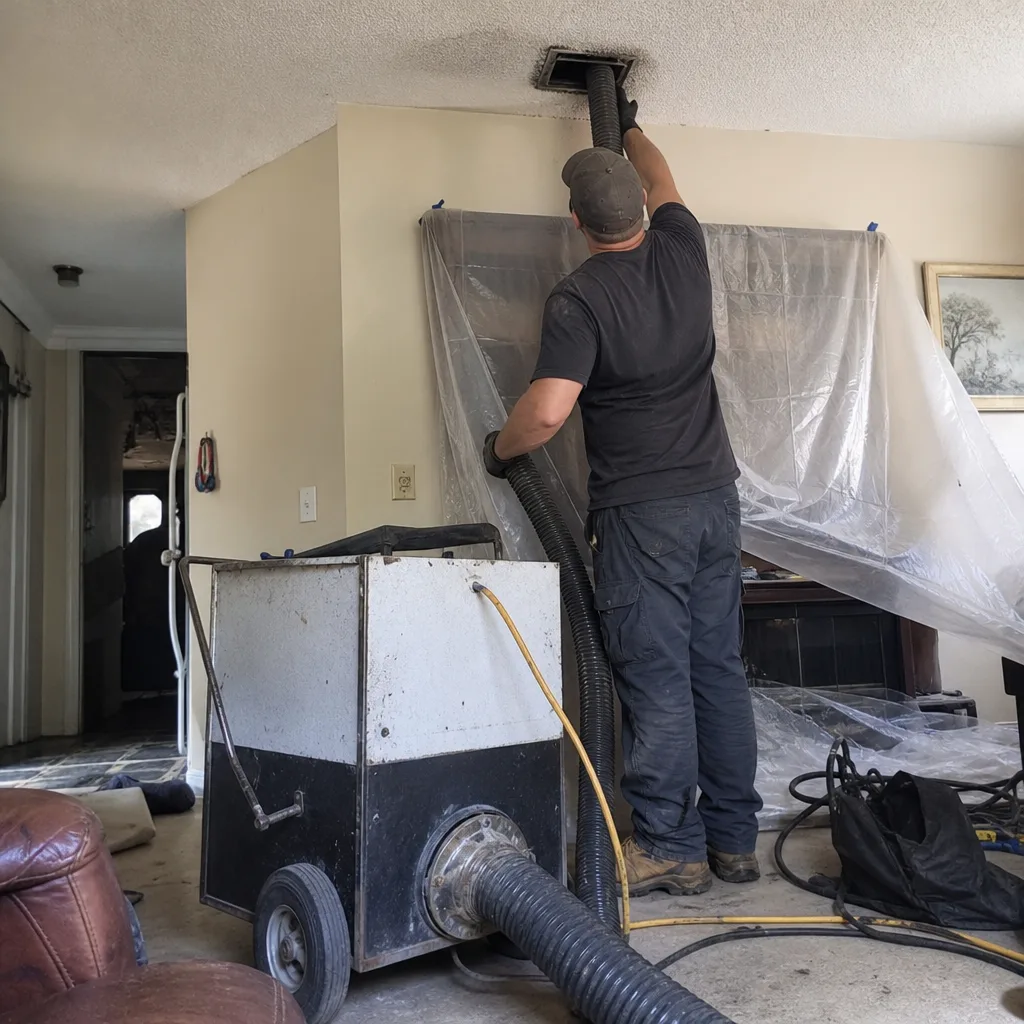 Before
 After
AfterWhen to Call a Professional
Schedule a professional inspection if you’ve noticed any of the warning signs above, if your home went through renovation without duct protection, or if it’s been more than three to five years since the last cleaning. Jacksonville’s humidity makes duct contamination progressive: it doesn’t plateau. The longer it sits, the more it binds to the liner. If you see mold, hear pests, or smell something persistent, don’t keep running the system and hoping it dissipates. Call a professional who can inspect the interior of the ducts directly. Linden Air Duct Jacksonville offers free estimates in Jacksonville and Duval County, with same-week appointments in most cases – call (904) 329-7854 and a live person answers, any time.
Frequently Asked Questions
Every three to five years is the practical interval for most Jacksonville homes, but homes with pets, smokers, recent renovations, or visible mold should be cleaned more often. Jacksonville’s high humidity and aggressive pollen season shorten the effective cleaning interval compared to drier climates. If you’ve never had your ducts cleaned and the home is older than ten years, schedule an inspection before the next humid season.
October is the best month for air duct cleaning in Jacksonville. The summer humidity is retreating, the pollen season is months away, and the condensation spikes from AC cycling have already peaked, so a cleaning done in October lasts longer than one done in May. Late fall also gets your ducts clean before holiday cooking season. Call (904) 329-7854 for exact availability and a written quote.
Expect to pay $450 to $800 for a whole-system cleaning in a typical Jacksonville home, with larger homes or dual systems running higher. The price depends on home size, number of returns, accessibility of the air handler, and how long the system has been neglected. Always get the full price in writing before work starts, and confirm it covers all supply and return ducts, not just the main return.
A musty smell when the AC runs usually means moisture and organic material have accumulated inside the ductwork or on the evaporator coil. In Jacksonville, this is most common after the humid summer months, when condensation has been forming inside the ducts for months at a time. The fix is a professional cleaning of the coil and duct interior, not an air freshener or filter change. If the smell persists after cleaning, the liner may need repair or replacement.
You can clean registers, change filters, and vacuum the visible opening of each return, and those are worth doing year-round. You cannot clean the interior of a duct system without professional negative-pressure equipment that dislodges and captures contamination throughout the entire run. A household vacuum simply can’t reach more than a foot or two into the duct, and aggressive DIY methods can damage liner or loosen connections. That’s not a sales pitch; it’s a matter of equipment physics. Rotobrush and Nikro systems exist because consumer vacuums cannot do this job.
Ask for before-and-after photos of your own duct interior at the main return and at least one supply run. A legitimately cleaned duct shows visible difference at the register and deeper in the run. Also confirm the price includes the full system, the company is licensed and insured, and the technician’s name and photo are provided before arrival. We send the tech’s name and photo ahead of every visit, and the tech shows a photo ID badge at the door. If a company objects to any of that, choose a different one.
The Bottom Line
Jacksonville’s climate doesn’t follow the four-seasons rulebook, and neither should your duct care plan. The two months that matter most are March, when oak and pine pollen pour into any leak or gap in the system, and October, when humidity swings create condensation inside the ductwork. Between those two peaks, the practical work is simple: check filters monthly during spring, keep the fan on Auto through summer, inspect for duct sweating after winter cold snaps, and schedule a professional cleaning every three to five years with a company that puts the price in writing before the job starts. If you’d rather have a second set of eyes on your system, call us at (904) 329-7854 – a live person answers, and we’ll schedule a free estimate at your convenience. For a deeper look at any of the services mentioned here, visit our pages on air duct cleaning in Jacksonville, dryer vent cleaning in Jacksonville, and air duct repair in Jacksonville.
Written by Marcus Veale, Owner at Linden Air Duct Jacksonville, serving Jacksonville since 2004.