
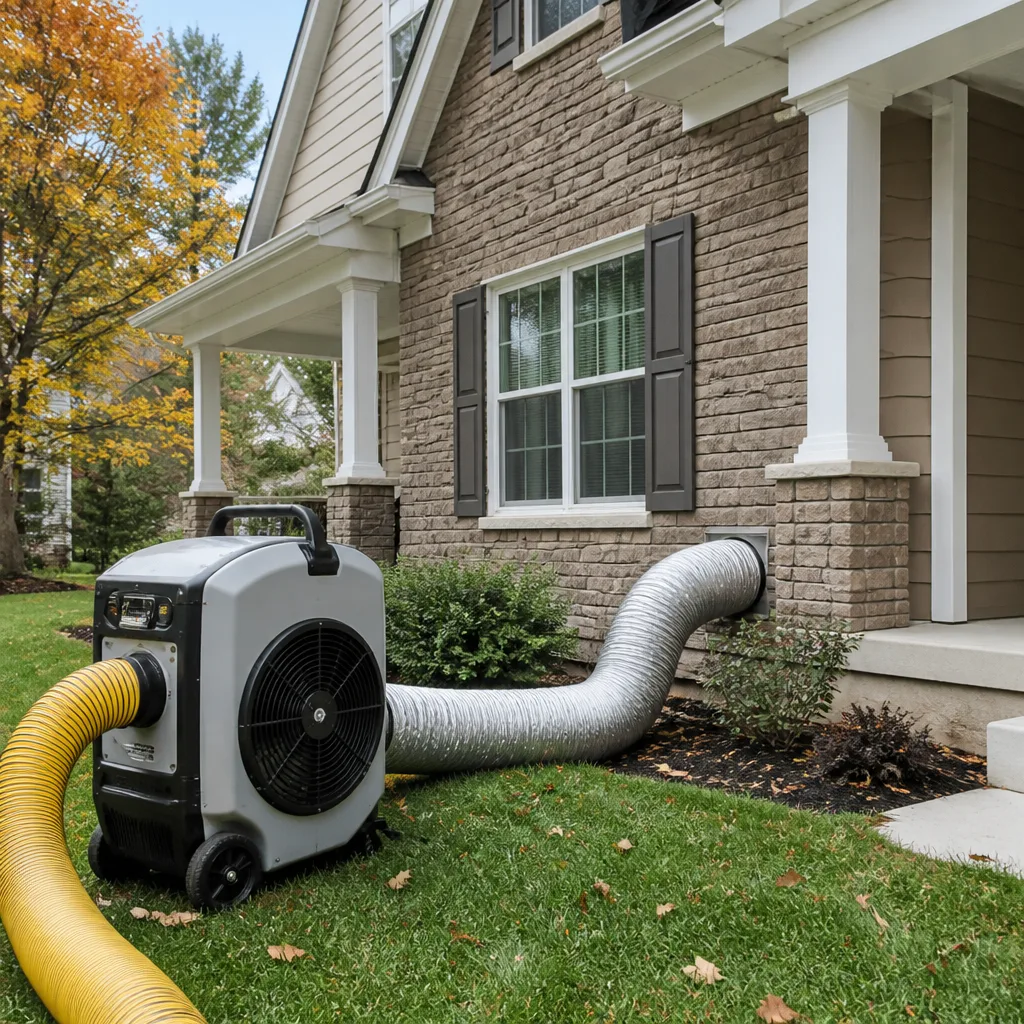
 Whole-home duct cleaning
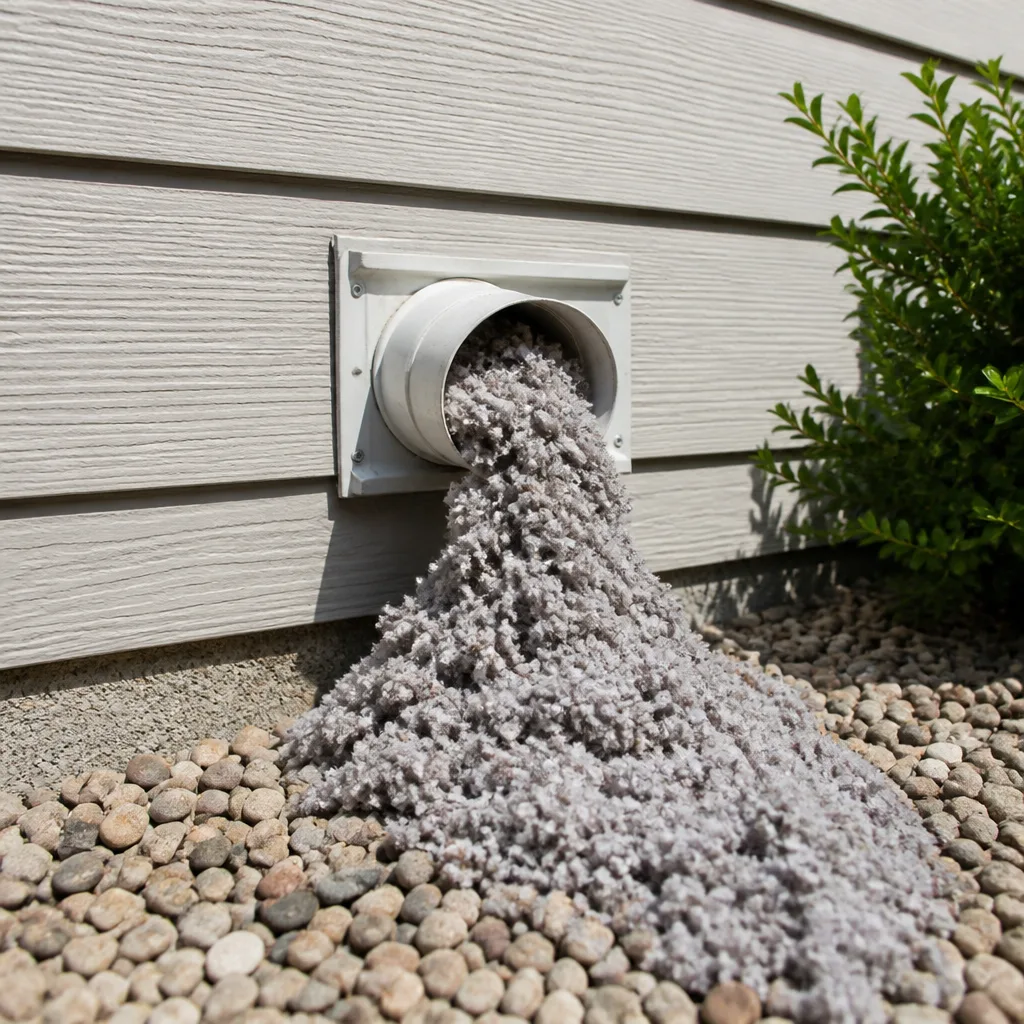 Dryer vent cleaning
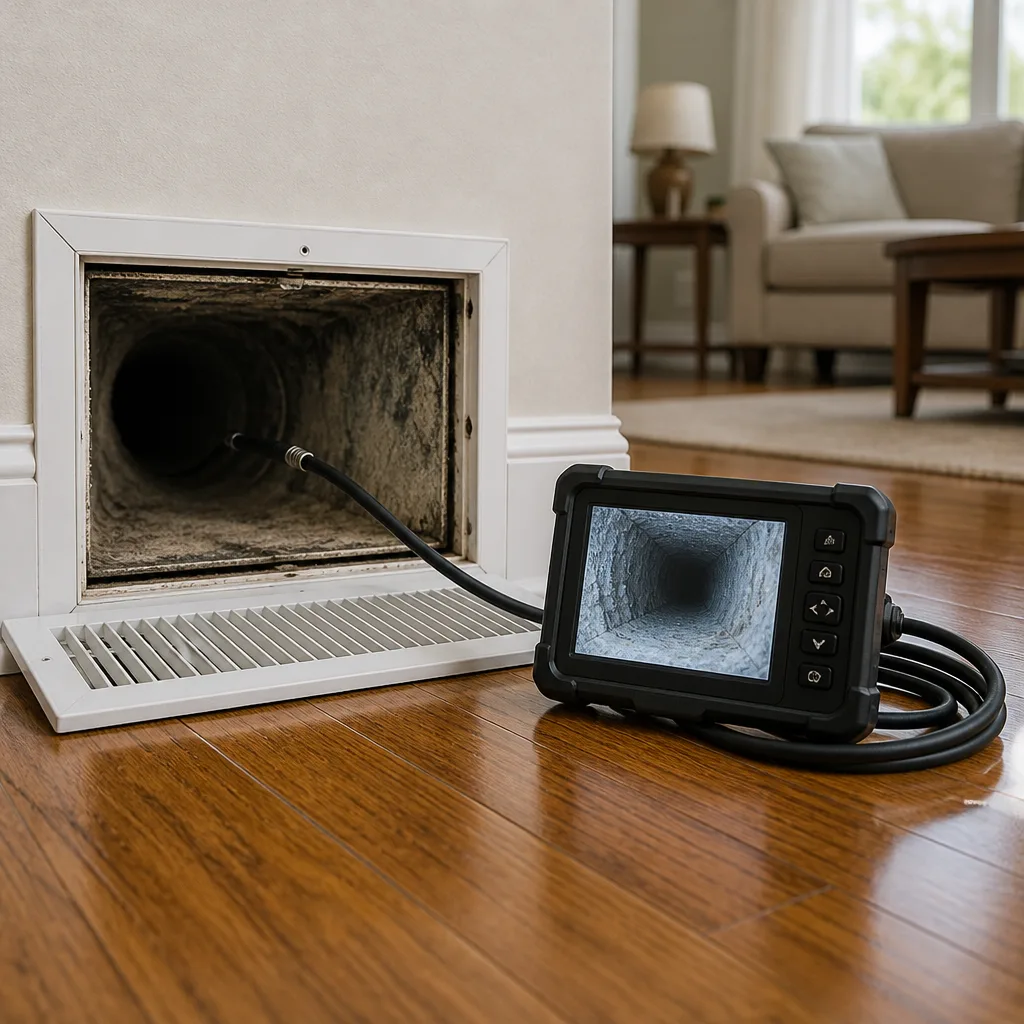 Camera inspection
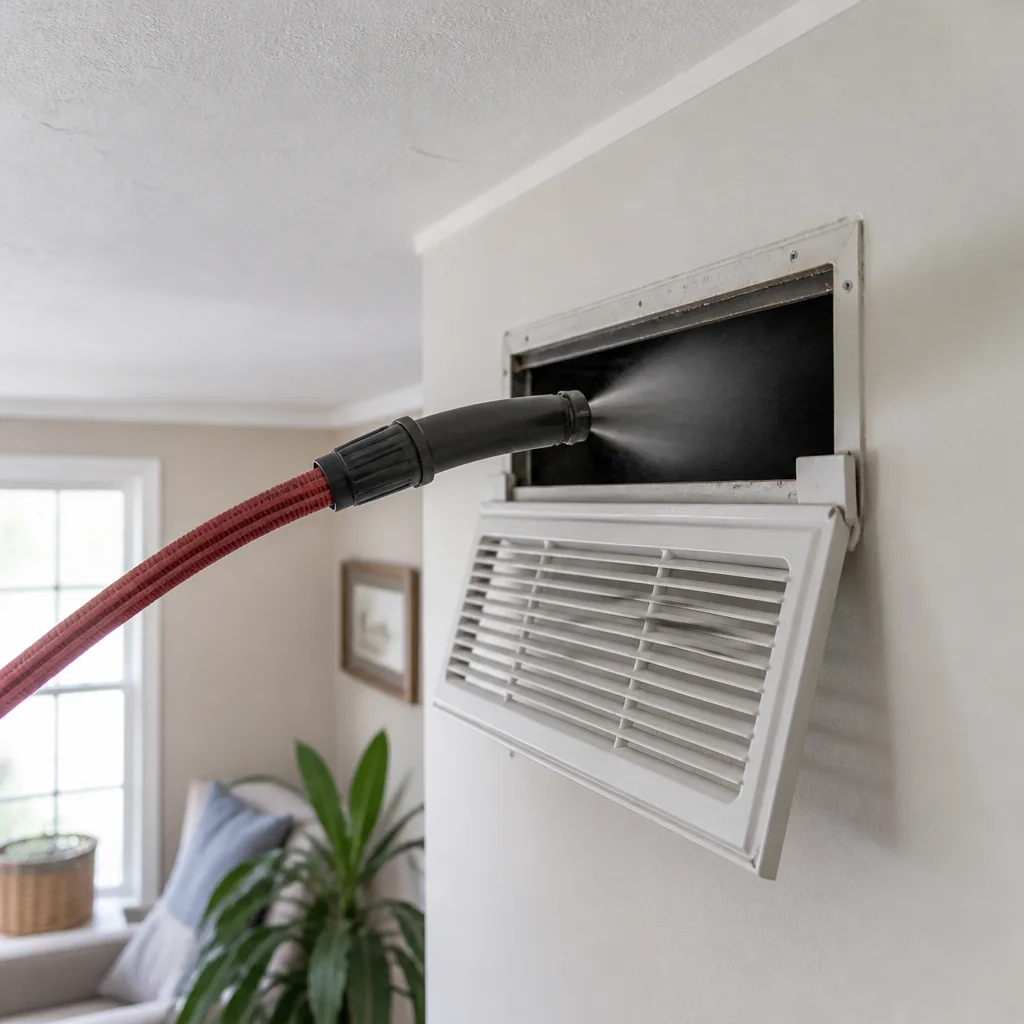 Sanitizing & deodorizing
Whole-system duct and dryer vent check with before-and-after photos - you see exactly what came out of your vents
That "$99 whole-house special" is a bait ad - the real number appears once they are in your hallway, or the "clean" is a shop-vac at the register. We photograph the inside of your ducts before and after instead.
Honeywell Air Duct Repair in Jacksonville: What to Know First
If you have Honeywell air purification or ventilation components tied into your ductwork and something’s not working right, we can help. Linden Air Duct Jacksonville repairs Honeywell air duct systems across Jacksonville, from Mandarin to San Marco to Orange Park, typically within three to five business days of your call. Honest posture up front: most Honeywell duct repairs in this market run between $180 and $650 depending on what failed and whether we’re replacing a component or rebuilding a duct transition. This page is for homeowners whose Honeywell system is making noise, moving less air, or throwing an error they don’t understand. You’ll get a straight answer here, and if you want us to look, call (904) 329-7854.
How Honeywell Products Fail – and How We Fix Them
- Honeywell TrueCLEAN / UV Air Purifier ballast failure. The UV lamp ballast on Honeywell TrueCLEAN units (commonly the UV2400 series) burns out after 3 to 5 years of continuous use. Homeowners notice the telltale sign: the little green indicator light stays off, or the system throws a reminder code. Some contractors tell you to replace the whole purifier. We replace the ballast and lamp, test the airflow, and you’re done for a fraction of that. In Jacksonville’s humid air, we also check the duct section around the UV housing for condensation corrosion, which is a local failure pattern Honeywell’s own documentation barely mentions.
- Honeywell F300 / F50 Electronic Air Cleaner cell shorting. These older Honeywell media-style electronic air cleaners are still in a lot of Jacksonville homes built in the 1990s and early 2000s. When the collecting cell gets coated with a fine film of dust mixed with humidity, it can arc or short, which trips the power supply. The symptom is a faint clicking or popping sound from inside the duct, and sometimes a faint ozone smell. We pull the cells, clean them properly in a wash station, verify the ionizer wires aren’t snapped, and test the power pack. If the cell is beyond cleaning, we source a Honeywell replacement rather than a generic cell that doesn’t fit the rail spacing.
- Honeywell DR90 / DR120 Whole-House Dehumidifier drain pan overflow. These dehumidifiers mount directly into the ductwork, and in Jacksonville’s summer they run near-constantly. When the internal drain trap clogs or the float switch sticks, water backs up and leaks into the duct. You’ll see a water stain on the ceiling below the unit, or a musty smell that doesn’t go away. We open the access panel, clear the trap, replace the float switch if it’s corroded, and dry the affected duct section. If the duct insulation is saturated, we recommend replacing that section so you’re not running a mold incubator.
- Honeywell Zonings / TrueZONE panel miscommunication. TrueZONE panels (HZ311, HZ322, HZ432) control motorized dampers inside the ducts. When a damper stops responding, you get one room that’s always cold in summer or one that never gets airflow. Sometimes the damper motor is fine and the problem is a loose wire at the panel. Sometimes the damper shaft has seized from years of dust collection around the pivot. We test the damper first before ordering any parts. We’ve lost count of how many times a Jacksonville homeowner was told they needed a new zone panel when all they needed was one replacement damper motor and a recalibration.
- Honeywell HEPA Bypass / Media Filter Cabinet air leak at the duct flange. Many Honeywell filter cabinets (like the F100 and F200 media cabinets, or the HEPA bypass units) develop air leaks where the cabinet flange meets the duct. As the filter loads up, the pressure differential increases, and if the flange seal is deteriorated, unfiltered air bypasses the filter entirely. Your filter looks dirty, but your air quality never improved. The fix is usually a new gasket, resealing with mastic, and replacing the door latch so it seals under pressure. We also check the filter’s actual pressure drop across the cabinet, not just visual dirt.
Styles & brands we work with
Our Honeywell Air Duct Repair Process
- 1
Photo of the unit and a look at the whole duct run. You send us a few photos of the Honeywell badge, the symptom, and the duct access. Marcus Veale reviews them before we ever roll a truck, so we arrive with a real plan, not a blank clipboard.
- 2
The repair quote before anything happens. Every job gets a written price before we touch your system. This is not a “give us a deposit and we’ll see” situation. You know the number, in writing, and that number does not change unless we find something our initial conversation couldn’t have revealed. If we find more, we stop and call you before doing anything else.
- 3
Parts decision: OEM first, aftermarket only when it’s smarter. For Honeywell-sensitive components like UV ballasts, zone panels, and electronic air cleaner cells, we use Honeywell OEM parts to keep your warranty intact and your system behaving the way it was engineered. For wear items like gaskets, flex duct transitions, and drain tubing, we use quality aftermarket parts when they’re equal or better for less cost. We tell you which is which, and why.
- 4
The repair itself, with the duct opened only as needed. We don’t tear out ductwork to fix a zone damper motor. We open what must be opened, repair what failed, reseal with mastic, and leave the ductwork tighter than we found it. If the Honeywell component was leaking air, we fix that too, because a repair that ignores the leak is half a repair.
- 5
Test, verify, show you the proof. We run the system, check pressure and airflow across the Honeywell component, and show you before-and-after photos of what we did. Our 365-Day Done Right Promise covers every Honeywell air duct repair. If the repair fails within 365 days, we come back and make it right at no charge.
See the difference
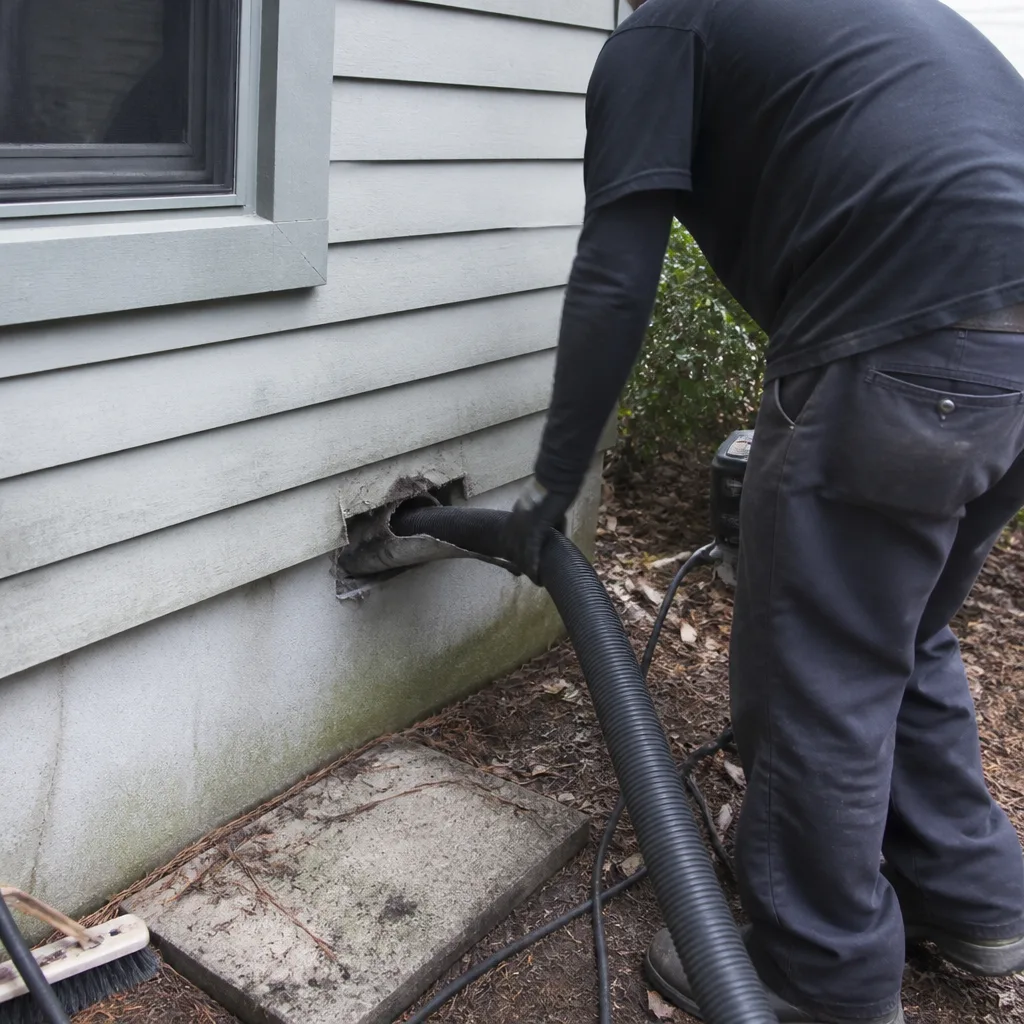 Before
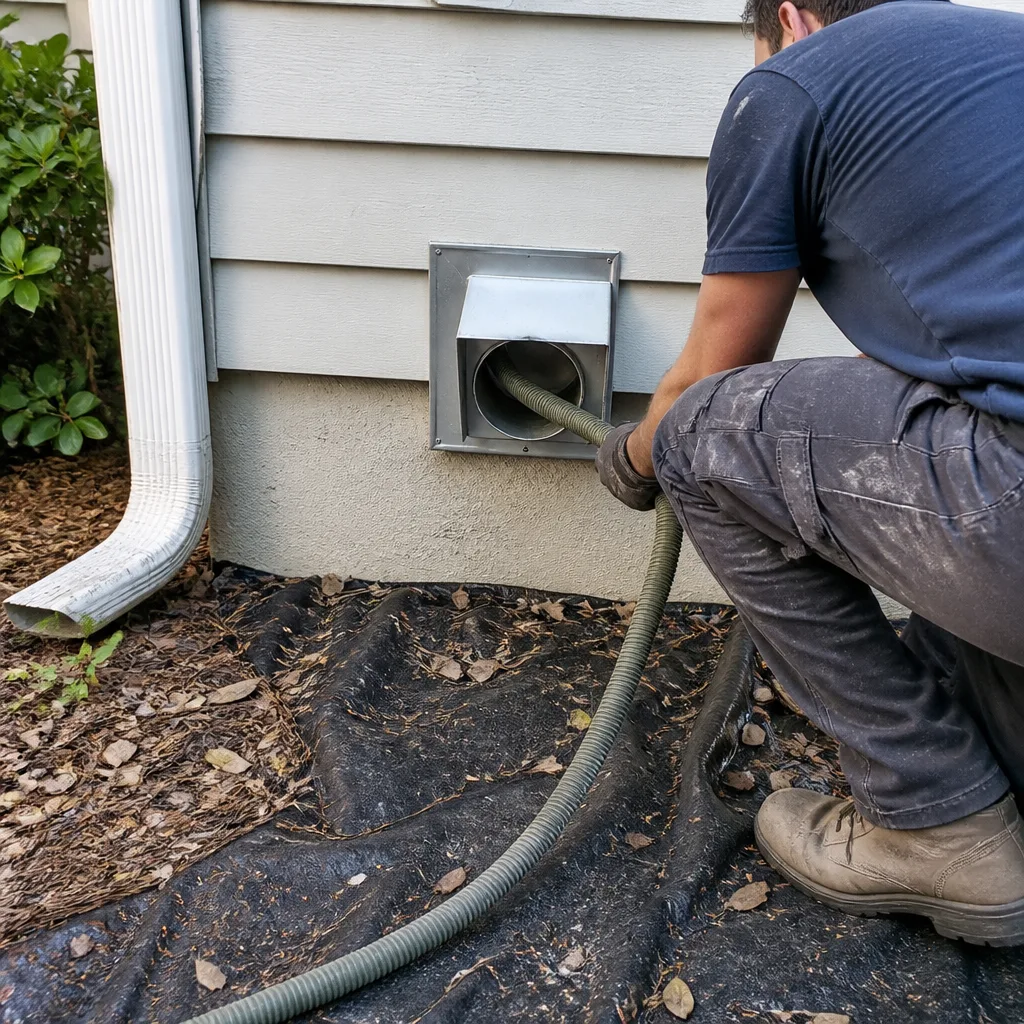 After
After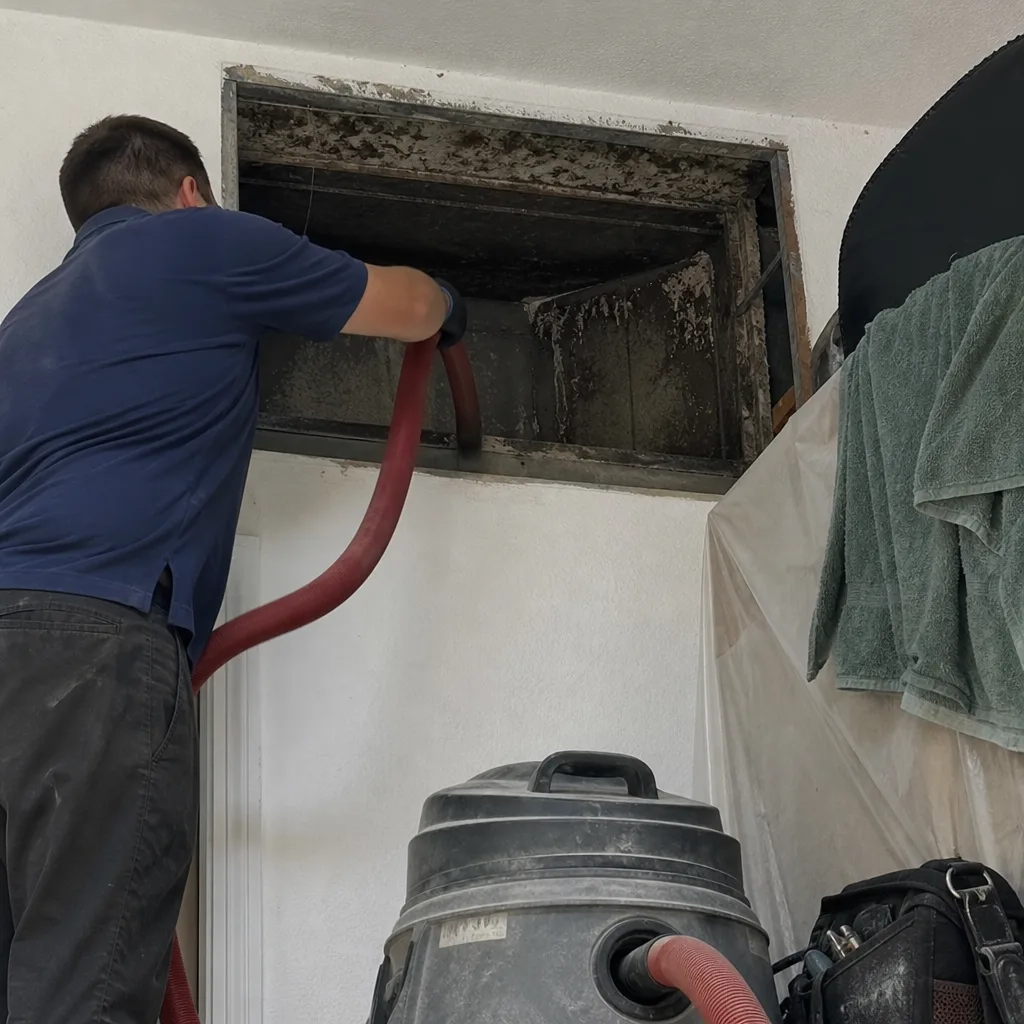 Before
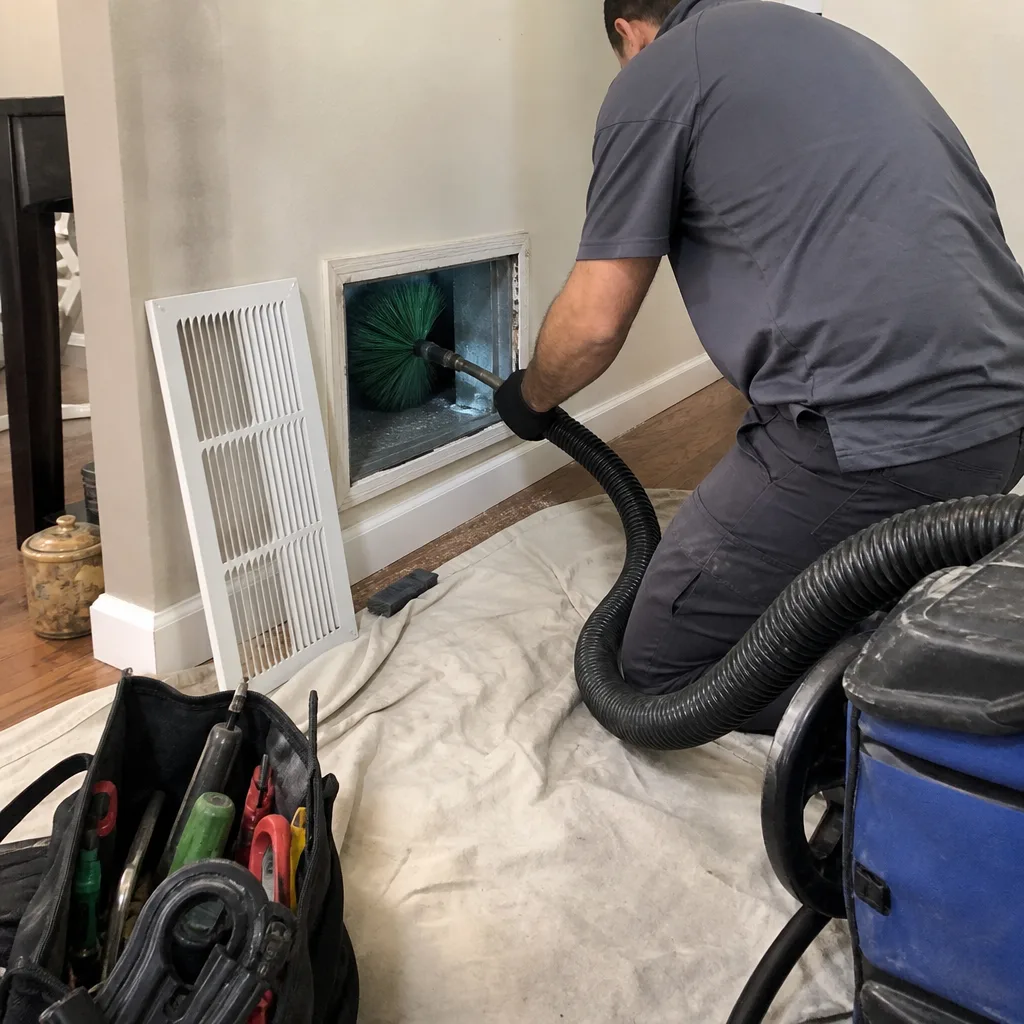 After
After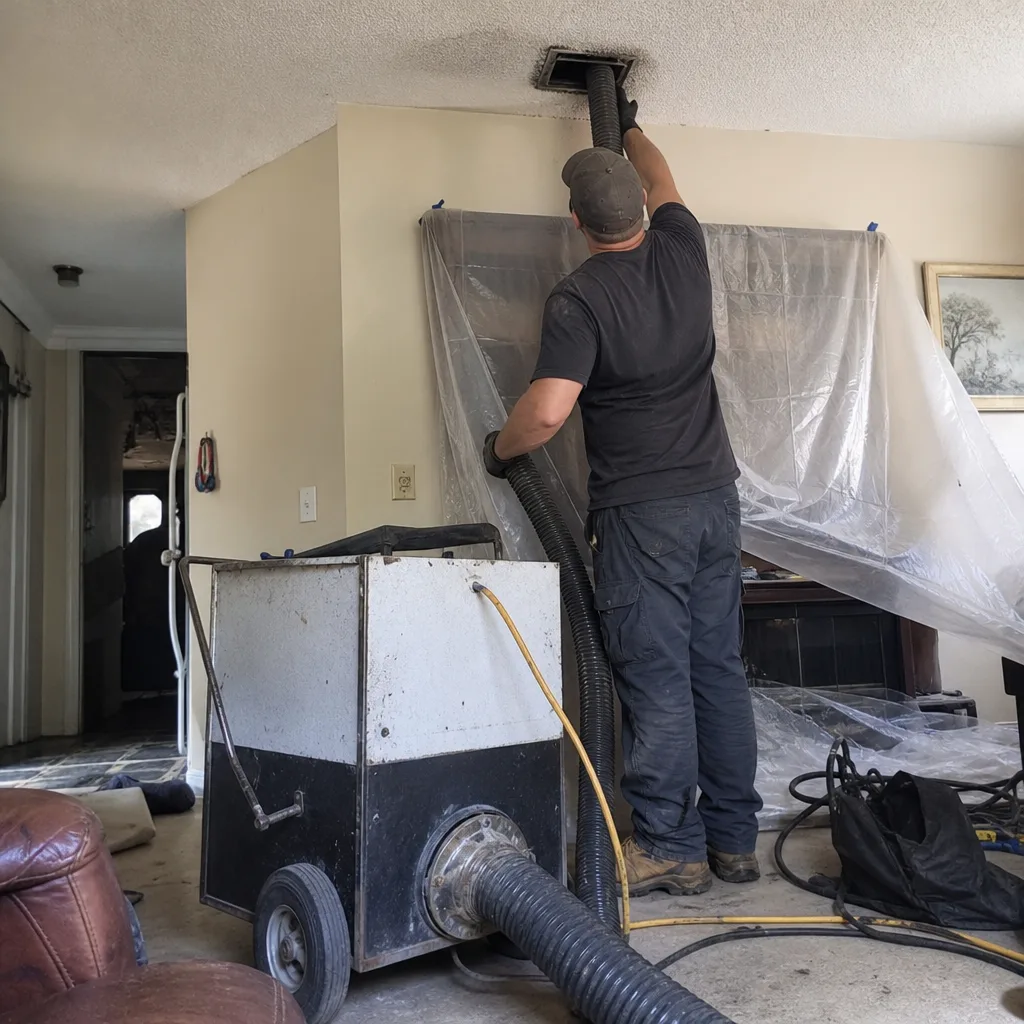 Before
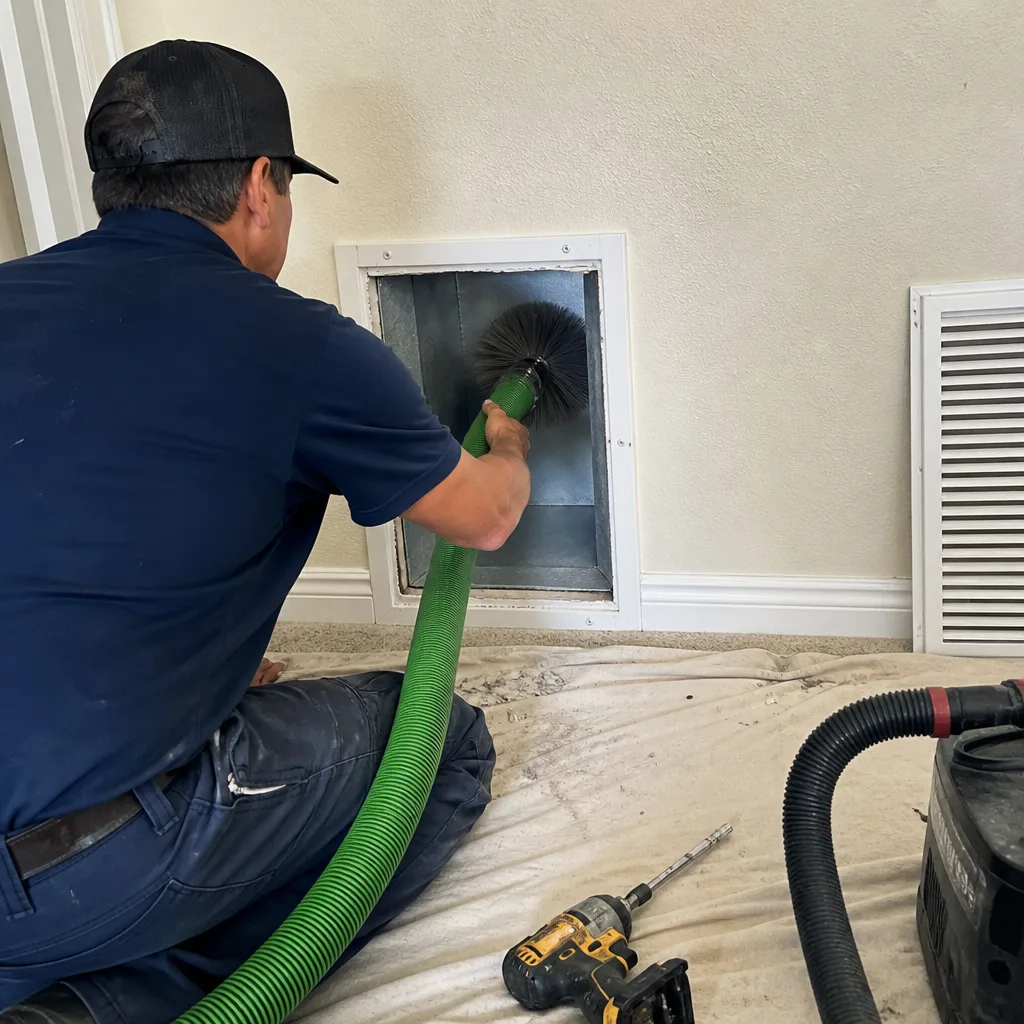 After
AfterWhat Honeywell Air Duct Repair Costs in Jacksonville
We write the price before we ever touch your system. Here’s what typical Honeywell repair scenarios cost in the Jacksonville market:
- UV ballast + lamp replacement on a Honeywell TrueCLEAN UV2400: $250 – $420
- Electronic air cleaner cell cleaning + power pack diagnosis (F300/F50): $180 – $320
- Honeywell TrueZONE damper motor replacement (single damper): $220 – $390
- Whole-house dehumidifier drain inspection, trap cleaning, float switch replacement: $190 – $350
- Duct flange reseal / air leak repair at a Honeywell filter cabinet: $200 – $450 depending on duct accessibility
- Full Honeywell component replacement with duct transition rebuild: $500 – $900
What moves the price: accessibility (attic, crawlspace, or tight closet), age of the ductwork around the Honeywell unit, and whether the part is readily available in Jacksonville or must be ordered. Every estimate is free. Call (904) 329-7854 and we’ll give you an honest number before you commit to anything.
Why Jacksonville Homeowners Call Linden Air Duct Jacksonville for Honeywell Work
We’re an independent Honeywell service provider, and we do not pretend to be anything else. We don’t have a manufacturer badge on our shirts, and we’re not authorized by Honeywell corporate. What we have is close to two decades of hands-on repair experience and a genuine understanding of what fails on these systems and why. Marcus Veale learned the mechanical side of HVAC through the sheet metal and air conditioning program at Los Angeles Trade-Technical College, and he’s been straightening out ductwork and the equipment in it ever since. Every technician who arrives at your door is background-checked, identity-verified, and photo-badged under the Threshold Standard, and you get their name and photo before they arrive. When you call us, a live person picks up the phone. No menus, no voicemail black hole. We also service Lennox, Trane, and Carrier systems, so if your ductwork serves a different brand but the Honeywell component inside is the problem, we’re already familiar with the whole setup.
FAQs
No, not when the repair uses Honeywell OEM parts and a qualified technician who follows manufacturer specifications. That’s exactly how we approach Honeywell UV systems, zone panels, and electronic air cleaners. We protect your warranty by using the right parts and following the right torque, wiring, and testing procedures. If your system is still under warranty, we’ll tell you before we start whether the failure is covered and how to make a claim. Call (904) 329-7854 and we’ll walk you through what your unit’s age and model number mean for your warranty.
Most Honeywell repair calls are scheduled within three to five business days, and if you can send us a photo of the unit and the symptom, we can often confirm the problem before we arrive. That cuts a visit short, which keeps your cost down. If your system is down entirely and you’re in Jacksonville in the summer heat, tell us on the phone and we’ll do what we can to get to you sooner. The number is (904) 329-7854, and a real person answers.
That depends on the age of the unit and whether the collecting cell is still in good shape. For Honeywell F300 series units, if the cell has no bent plates and the power pack tests within spec, a quality cleaning and re-test often extends the life by years. If the power pack is dead and the cell is 15 years old, replacement makes more sense. We tell you the truth either way because we’re not here to oversell you. Reports from the NADCA community and what we see in Jacksonville’s climate both point to one reality: humid air cuts the service life of electronic components. We’ll show you the test results and let the physics make the argument.
On Honeywell TrueZONE systems, that reset loop is usually a shorted damper motor drawing too much power, which makes the panel self-protect by cycling off. It’s a known behavior on the HZ322 and HZ432 panels when a damper has seized or a valve has gotten wet from a duct leak. We isolate the zone in question, confirm the short, and replace the damper motor if needed. Most of the time, the panel itself is fine. If you want to skip the guesswork, call (904) 329-7854 and we’ll test it properly.
Yes. Your Honeywell purifier, zone panel, or dehumidifier sits inside or alongside ductwork that connects to an air handler from any brand: Lennox, Trane, Carrier, Goodman, Rheem, whatever. We work on the Honeywell component and the duct around it, and we’re already familiar with how those systems interface. As an independent Honeywell service provider, we fix the part that’s broken without trying to sell you a whole new HVAC system.
You’ve got a specific problem with a specific piece of Honeywell equipment in your ductwork. Tell me what you’re seeing and I’ll tell you if it’s worth fixing. Then we’ll put the price in writing before we do the work, every single time, and we’ll stand behind it with the 365-Day Done Right Promise. Call (904) 329-7854 and talk to a real person about your Honeywell system today.
Written by Marcus Veale, Owner, Linden Air Duct Jacksonville at Linden Air Duct Jacksonville, serving Jacksonville and nearby areas.