
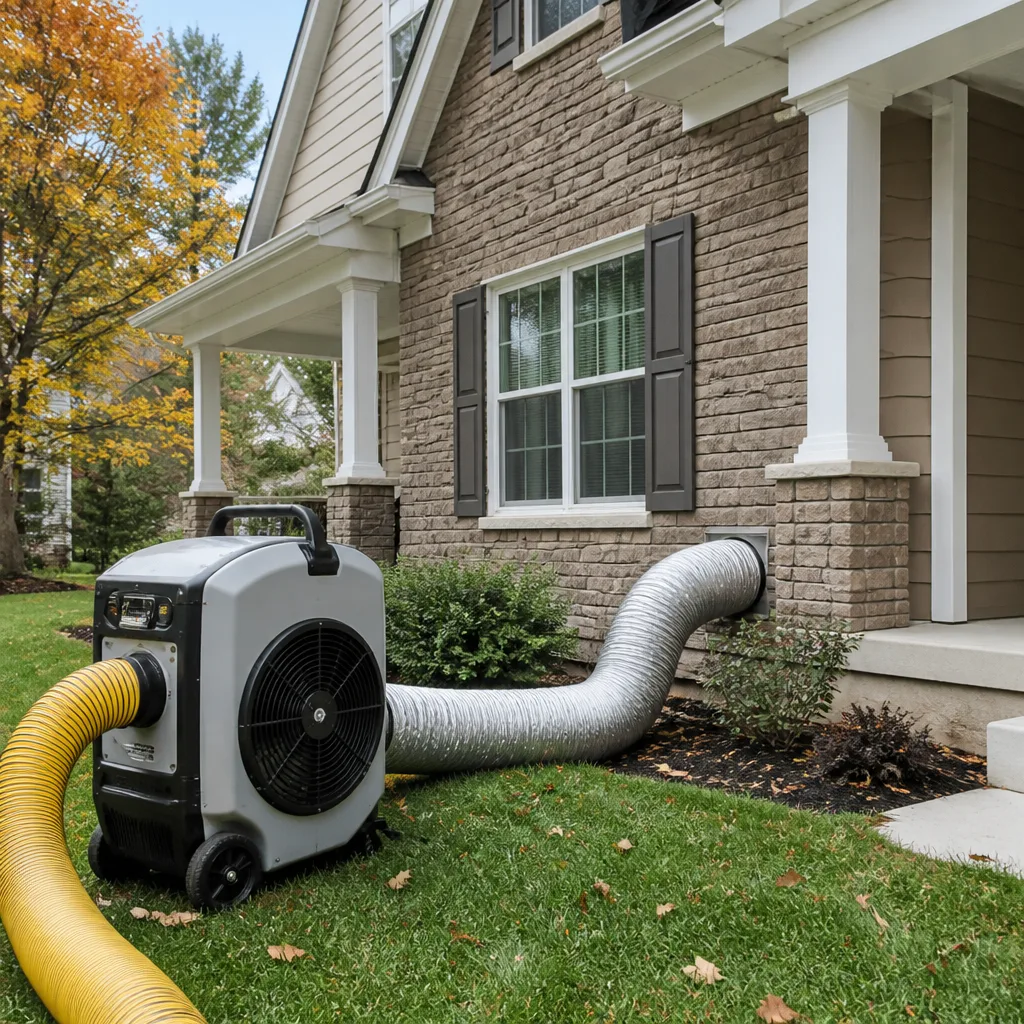
 Whole-home duct cleaning
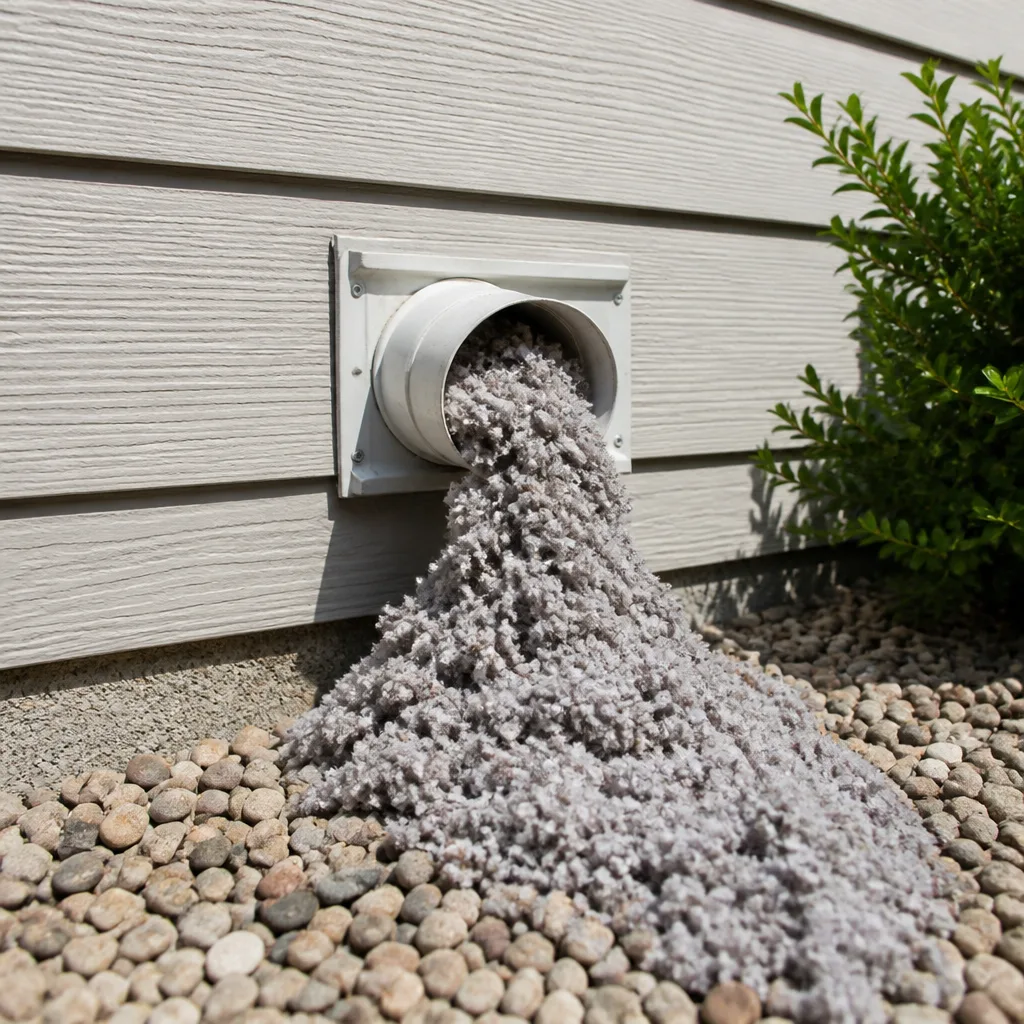 Dryer vent cleaning
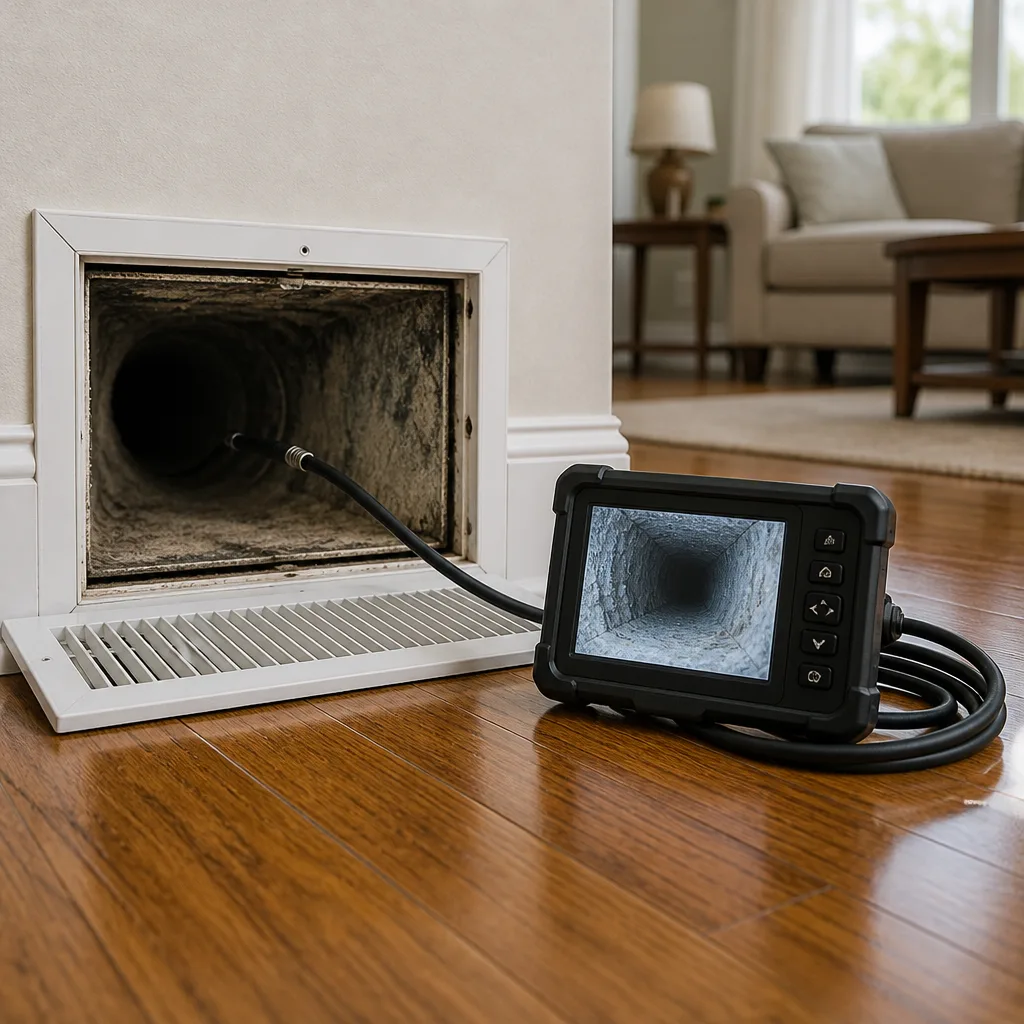 Camera inspection
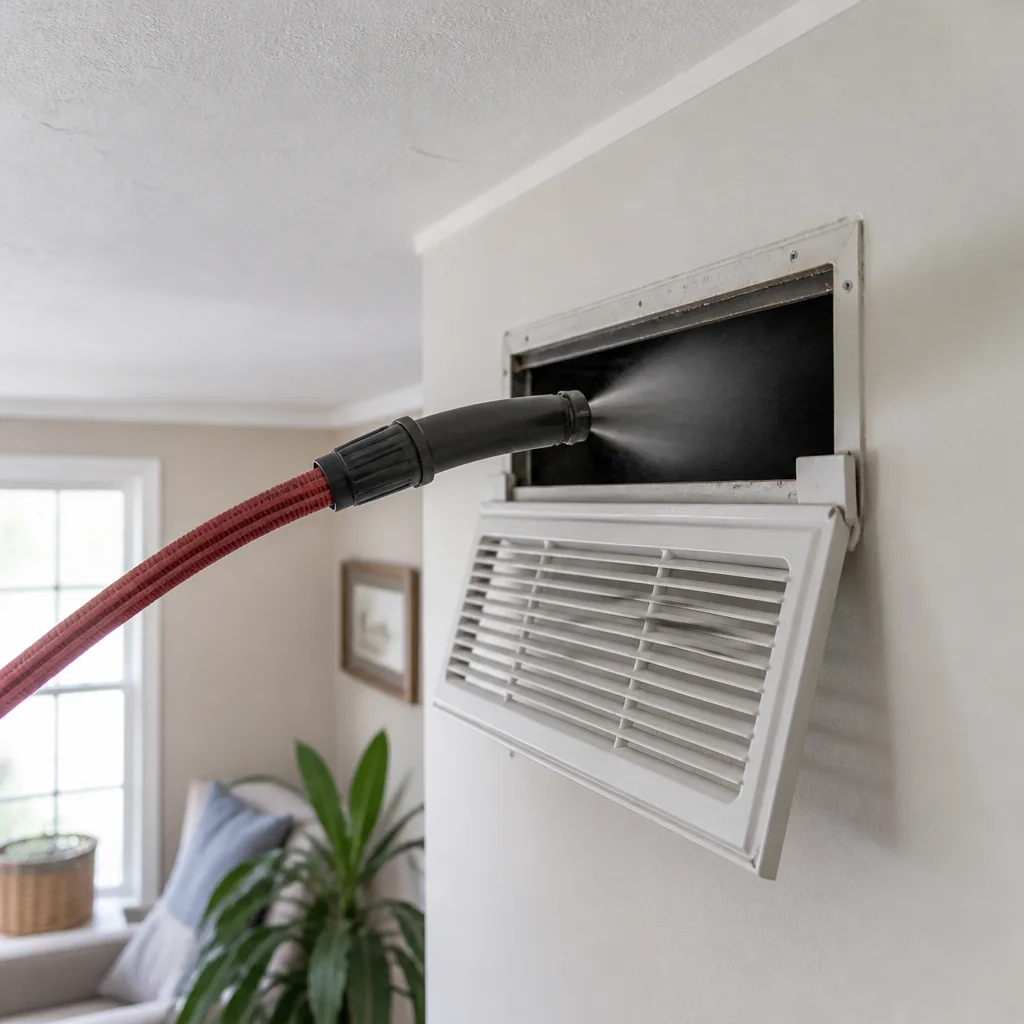 Sanitizing & deodorizing
Whole-system duct and dryer vent check with before-and-after photos - you see exactly what came out of your vents
That "$99 whole-house special" is a bait ad - the real number appears once they are in your hallway, or the "clean" is a shop-vac at the register. We photograph the inside of your ducts before and after instead.
Rotobrush Register & Grille Cleaning: The Jacksonville Owner’s Guide
If your Rotobrush system’s register and grille cleaning attachment has stopped doing its job, we can fix it. We stock Rotobrush-compatible register and grille cleaning parts for most current models, and typical installed replacement cost in Jacksonville runs $145 to $280 depending on which component failed. You’ll usually notice the problem as dirty air blowing from vents you just “cleaned,” or a drop in suction that tells you the seal between the brush head and the register face is done.
Key takeaways:
- We stock Rotobrush-compatible register and grille cleaning components on the truck for most residential models.
- Installed replacement in Jacksonville typically runs $145 to $280, parts and labor included.
- Written price before any work starts, every time.
- Our repair work carries a written guarantee with a free second visit if it doesn’t hold.
Which Rotobrush Models This Applies To
Most Rotobrush register and grille cleaning attachments fall into two camps: the brush-on-flex-shaft heads used with the AiR+ and R500 series, and the direct-drive heads on the older R2 and R3 systems. The part that usually fails is the same either way: the nylon brush bristles wear down, or the collar that seats against the register face gets sloppy and lets air bypass the brush. If you’re not sure which one you have, look at the attachment collar. The AiR+ and R500 heads are marked with a size stamp near the base, usually 4″, 6″, or 8″, while the R2/R3 heads use a set screw rather than a quick-release collar.
Rotobrush OEM parts hold up well, but we also carry quality aftermarket equivalents for the most common head sizes. In our experience, the aftermarket brushes from the better suppliers last about the same as OEM, but the OEM collars seat more consistently. If you’re running an older R2 or R3 and the collar is worn, an OEM replacement is the safer bet because the aftermarket set-screw collars on those older systems sometimes don’t clamp evenly. One gotcha we see often: a 6″ brush head from a different manufacturer will physically fit an AiR+ shaft, but the collar depth is slightly different and it won’t pull the seal tight against the register. That’s a Jacksonville call we make more than we’d like.
Linden Air Duct Jacksonville is an independent service provider and not affiliated with Rotobrush. We do, however, keep compatibility notes on their residential line going back to the early 2000s.
Styles & brands we work with
Signs Your Rotobrush Register & Grille Cleaning Is Failing
- Suction drops noticeably when the head is on the register. The seal between the collar and the register face has worn, so the brush is pulling room air instead of duct air. This is the most common complaint we hear in Jacksonville, especially in homes near the coast where humidity softens the plastic collars faster.
- Dirty air blows from vents right after cleaning. The brush bristles have flattened or the head is shimmying past the register instead of actually contacting the surface. You’re moving dirt around, not removing it.
- The head wobbles on the shaft. The quick-release collar or set screw has worn. Wobble leads to uneven contact, which leads to missed spots and shorter shaft life.
- Visible wear on the bristles. If the tips are splayed or the bristle length is less than half of what it was new, the head is done. Bristles that short don’t clean, they polish.
- You hear a scraping or squealing from the register area. That’s usually the collar making contact with the register face because the head is no longer seated properly. Continuing to run it will score the register and can damage the shaft fitting.
See the difference
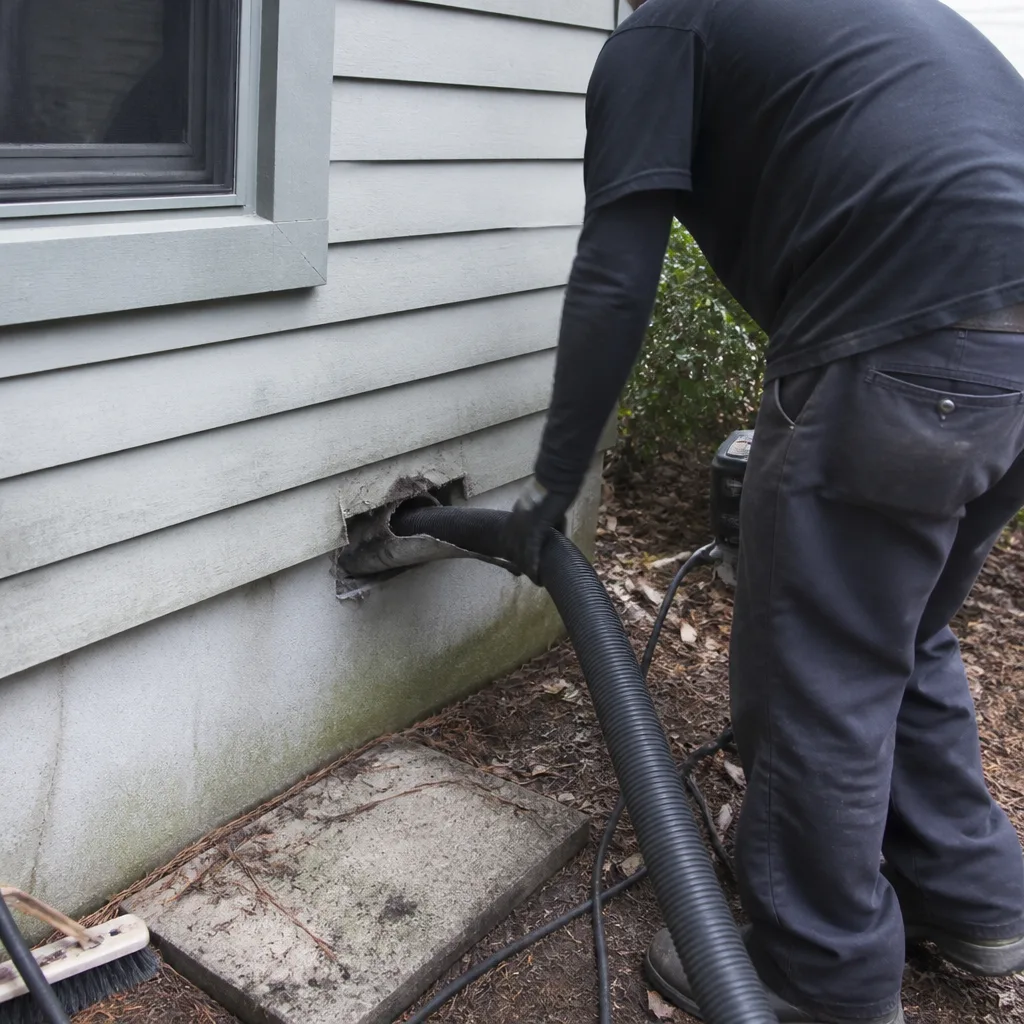 Before
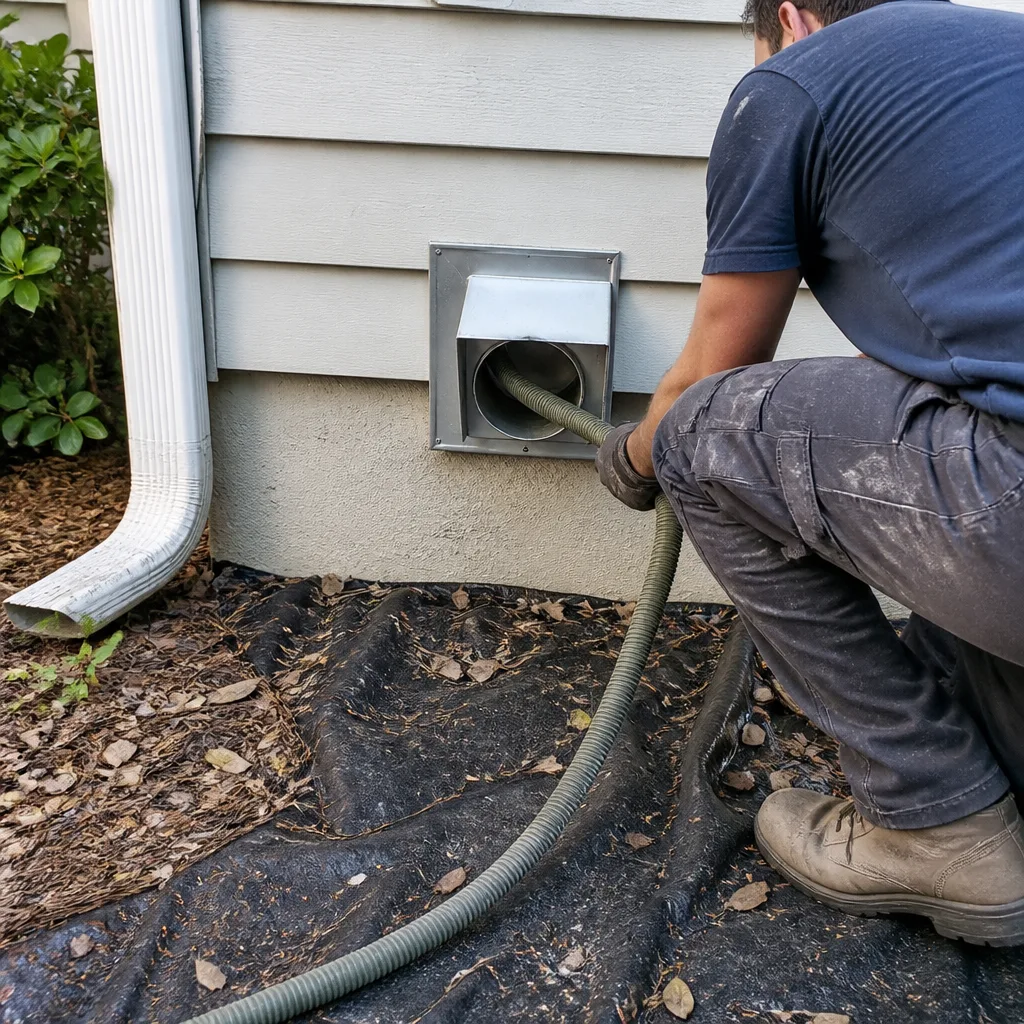 After
After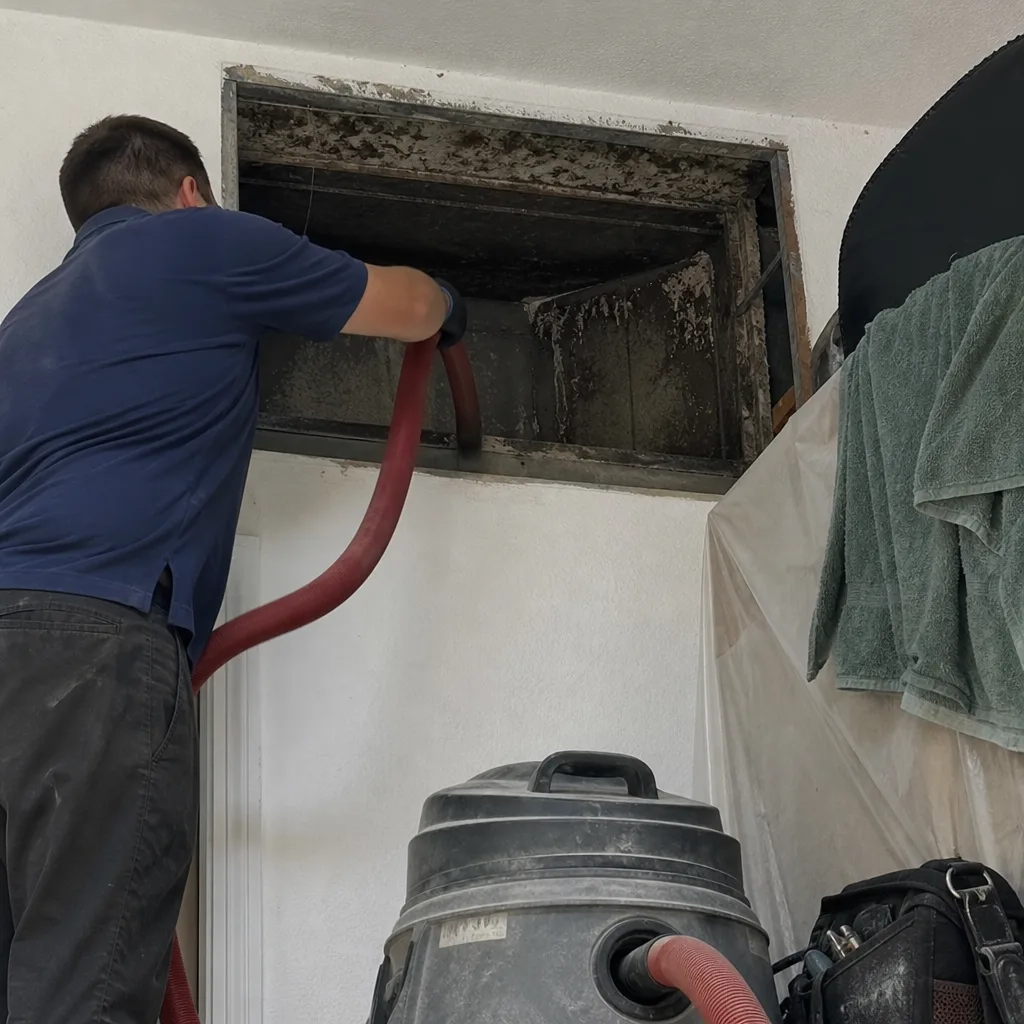 Before
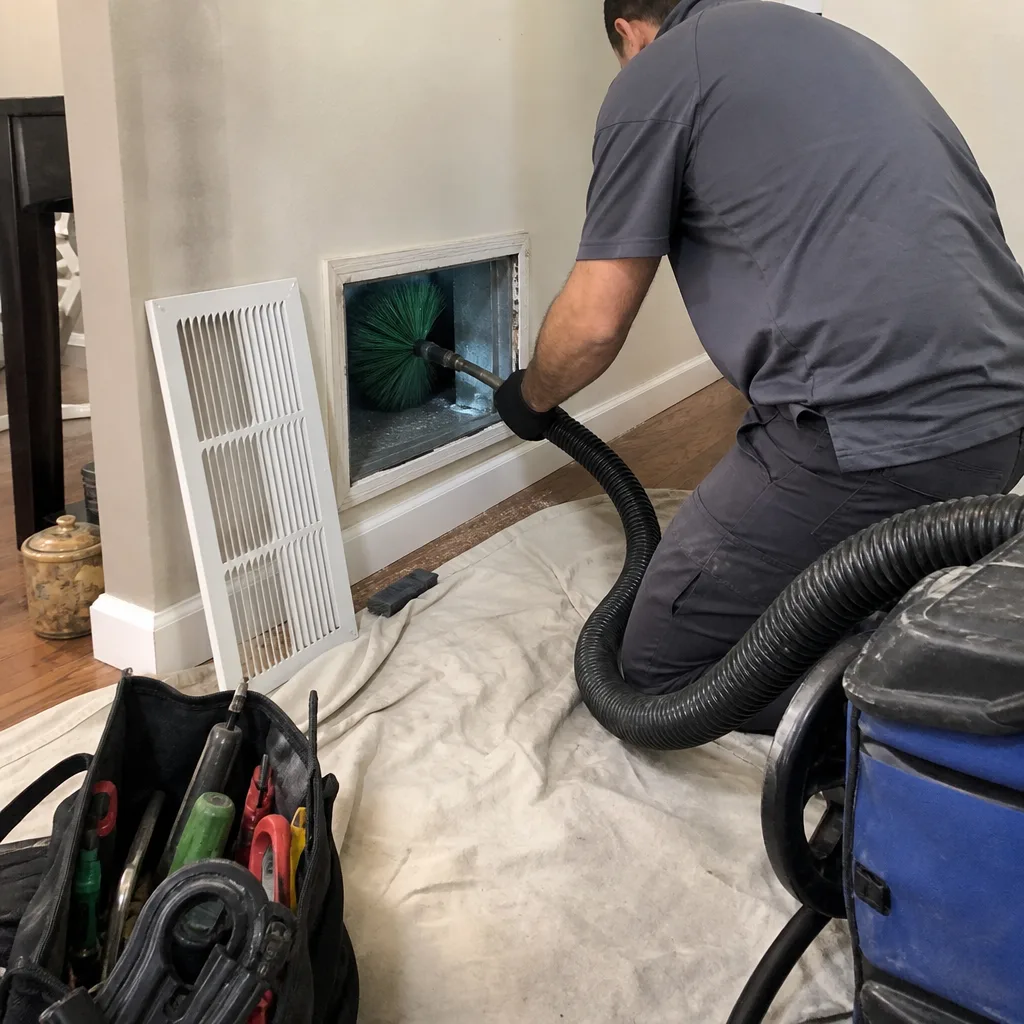 After
After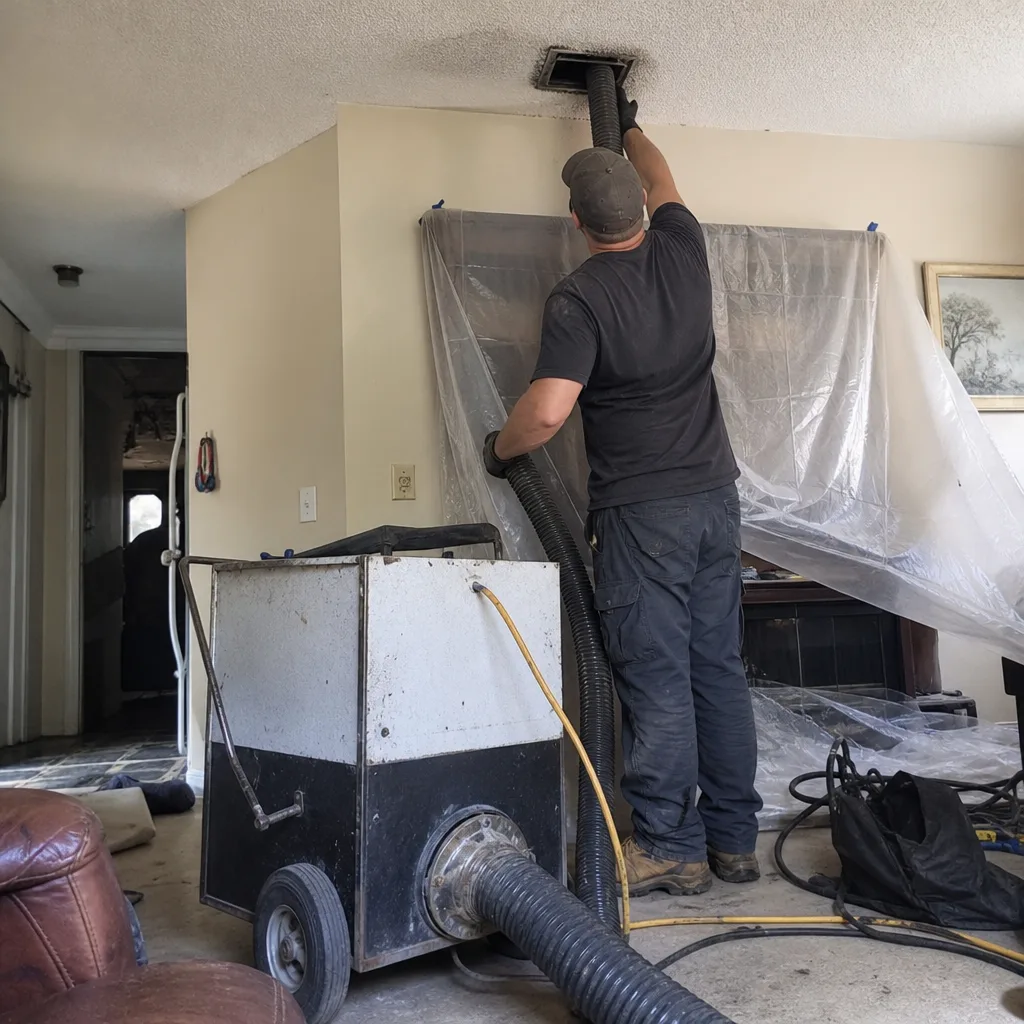 Before
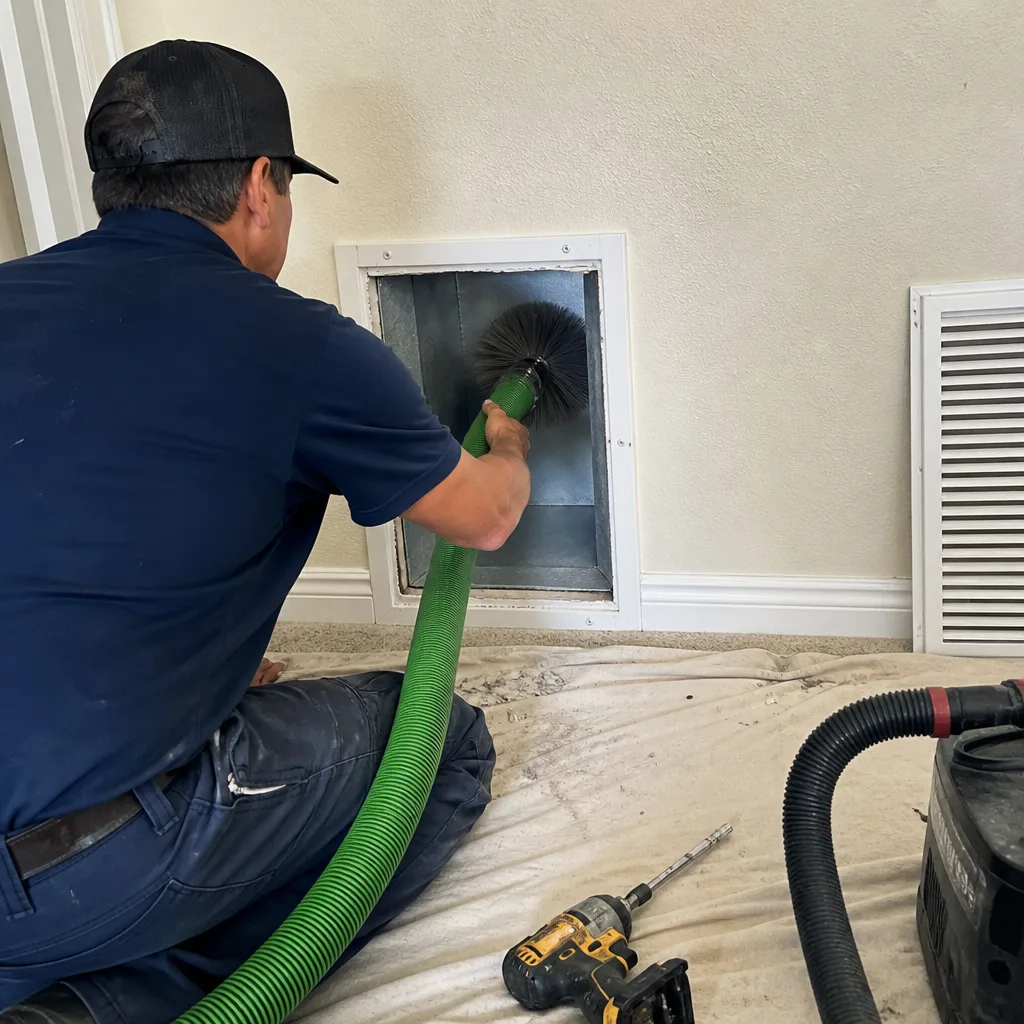 After
AfterReplacement Cost & What’s Included
In Jacksonville, you’re looking at $145 to $280 installed for a Rotobrush register and grille cleaning head replacement. The lower end covers a standard 4″ or 6″ aftermarket brush head with a new collar. The higher end is an OEM Rotobrush head, usually in the 8″ size, or a job where the shaft fitting also needs replacement. The range exists because not all Rotobrush systems use the same collar, and the older R2/R3 shafts sometimes need a small adapter that adds material cost.
What you get for that price: the part itself, installation, a function test on your actual system before we leave, and the written guarantee that covers our repair work. If the replacement fails within the guarantee period, we come back at no charge. We put the price in writing before any work begins, and that price does not change unless you add work. Marcus Veale will tell you the same thing he tells every customer in Mandarin and Riverside: “Tell me what you’re seeing and I’ll tell you if it’s worth fixing.”
DIY or Call Us?
There’s a small amount you can safely check yourself, and then there’s the point where it’s smarter to let a professional handle it. You can certainly look at the brush head and collar for visible wear, and you can measure the head diameter to confirm you’re ordering the right replacement. That part is straightforward. What’s less obvious is diagnosing shaft wear. If the head has been loose for a while, it can chew up the shaft fitting, and installing a new head on a worn shaft just moves the problem to a more expensive component.
The other part people get wrong is the collar depth we mentioned earlier. A head that looks identical may not seal, and you won’t know until you run it. If you have a head with a damaged collar or bristles that have flattened, give us a call at (904) 329-7854 and describe what you’re seeing. We’ll tell you honestly whether it’s a simple head swap or whether the shaft needs attention too. That honesty has been our approach since we started serving Jacksonville, and it’s why people keep us on speed dial.
FAQs
A register and grille cleaning head used regularly in Jacksonville homes typically lasts 18 to 36 months. Our coastal humidity shortens that, because the plastic collars absorb moisture and lose their grip faster than they would in drier climates. If you clean registers more than once a quarter, plan on replacing the head every other season. Call (904) 329-7854 and we’ll tell you if your head is still serviceable or if it’s time to swap.
No, register and grille cleaning heads are not designed to be rebuilt. The bristles are set into the head at the factory, and once they’re worn or the collar loses its shape, there’s no reliable way to restore them. The good news is that replacement heads are not expensive, and installing one is a quick job. We carry the most common sizes on the truck, so we can usually swap it out on the first visit.
Most register and grille cleaning head replacements take 30 to 45 minutes from arrival to function test. The head itself swaps in minutes, but we run your system through a quick airflow check to make sure the seal is tight and the shaft isn’t damaged. If you’re in Jacksonville and we’re already out on another job, we can often combine the stop with our route that day.
Yes, we stock Rotobrush-compatible register and grille cleaning heads and collars for the AiR+, R500, R2, and R3 residential series. Our truck carries the most common sizes in Jacksonville, and if you have an uncommon size, we can typically have it within a couple of days. We also work with parts for Lennox, Trane, and Carrier systems when a duct cleaning turns up a repair need beyond the Rotobrush attachment.
Written by Marcus Veale, Owner, Linden Air Duct Jacksonville at Linden Air Duct Jacksonville, serving Jacksonville and nearby areas.